Explore the Flags Behind the Colors
Every Pride flag carries its own story. Explore the sections below to learn more about the identities, communities, history, and symbolism represented by each flag-inspired hoop design.
These flags reflect many different paths, experiences, and expressions within LGBTQIA+ communities. Together, they offer a glimpse into the people, movements, and moments that have helped shape Pride over time.
Flags are grouped by theme, with most listed alphabetically.
Umbrella, Inclusive, and Intersectional Pride Flags
The original eight-color rainbow flag created a vibrant symbol of Pride, visibility, and solidarity. As the movement grew, the rainbow flag evolved, and new designs emerged to honor the diversity within LGBTQIA+ communities.
The flags in this section include broad umbrella symbols as well as inclusive and intersectional designs that intentionally center communities such as LGBTQ+ people of color, trans people, intersex people, and those affected by HIV/AIDS. Together, they reflect both the history of Pride and the continuing work of building a more welcoming, visible, and inclusive future.
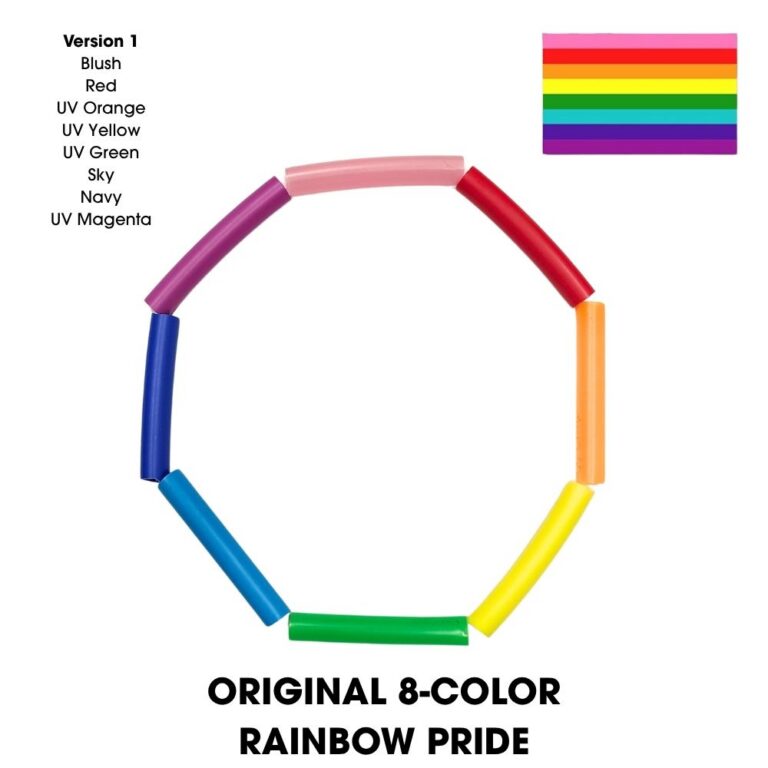
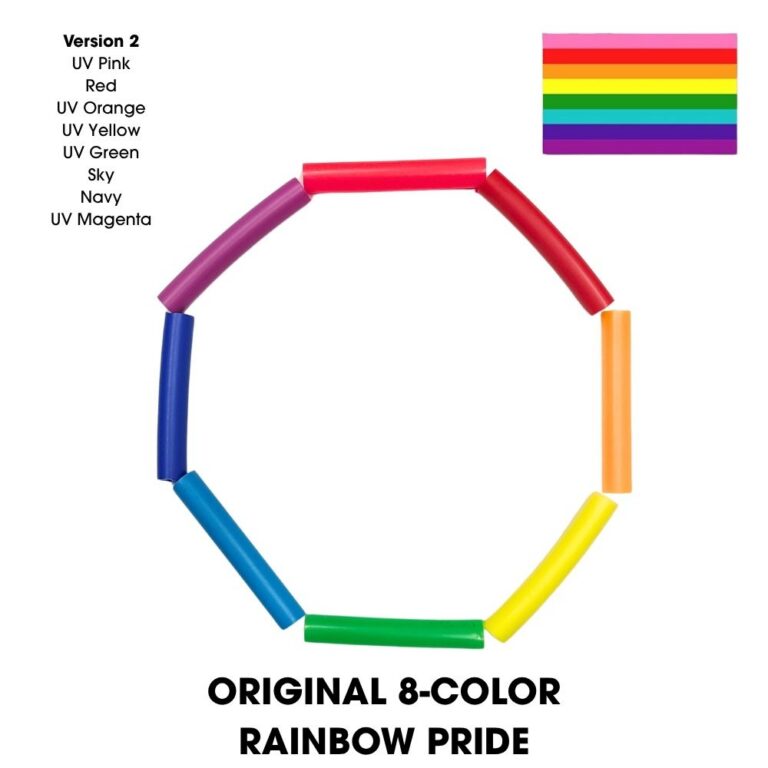
Original Rainbow Pride Flag
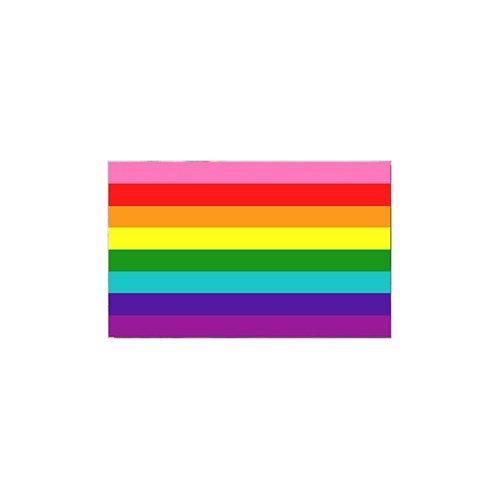
Created by Gilbert Baker and collaborators in 1978 San Francisco, the original Pride flag featured eight colors celebrating sexuality, life, healing, sunlight, nature, creativity, serenity, and spirit.
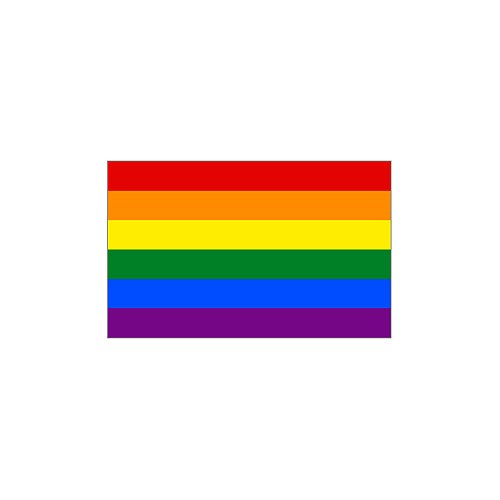
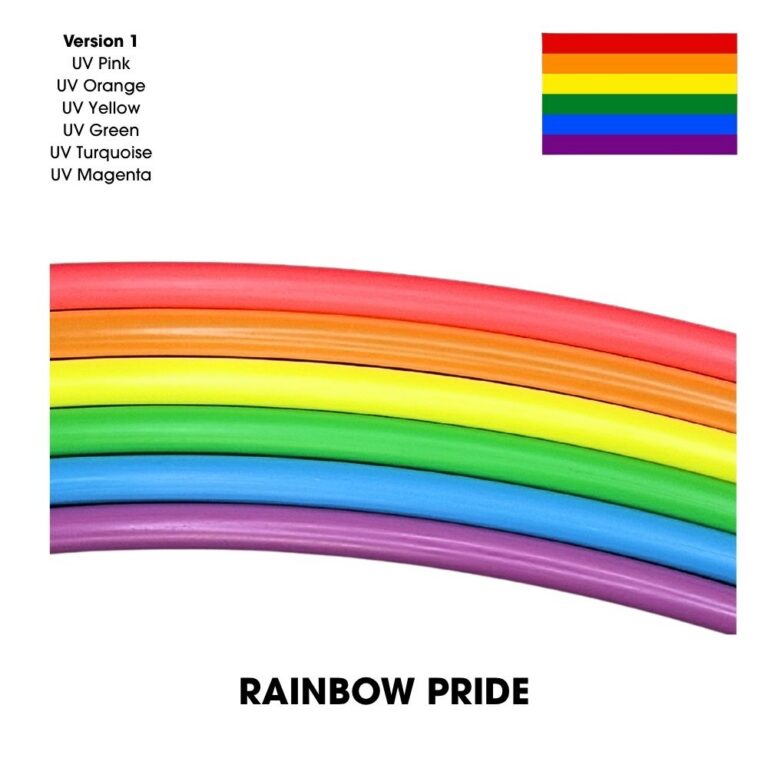
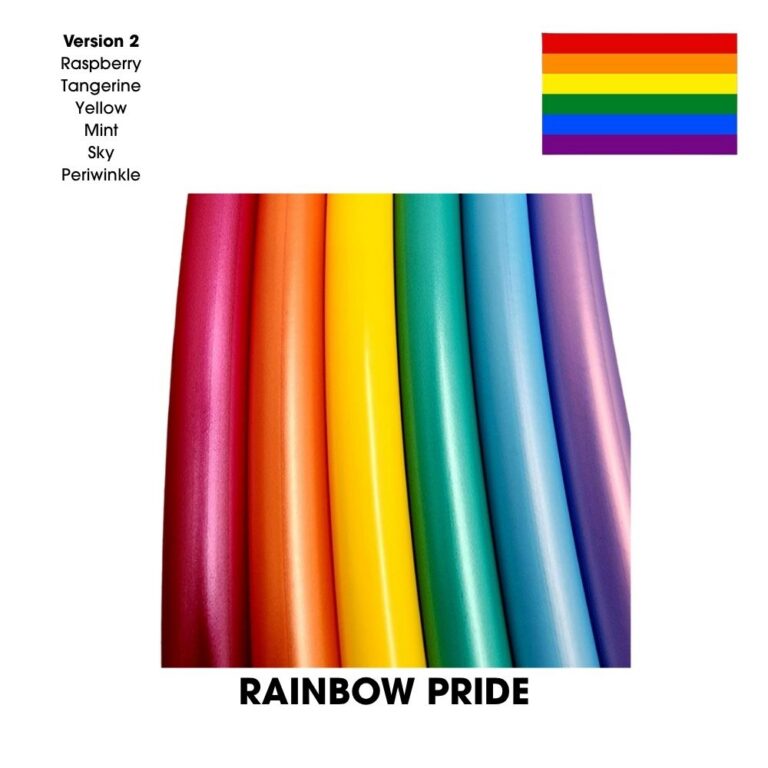
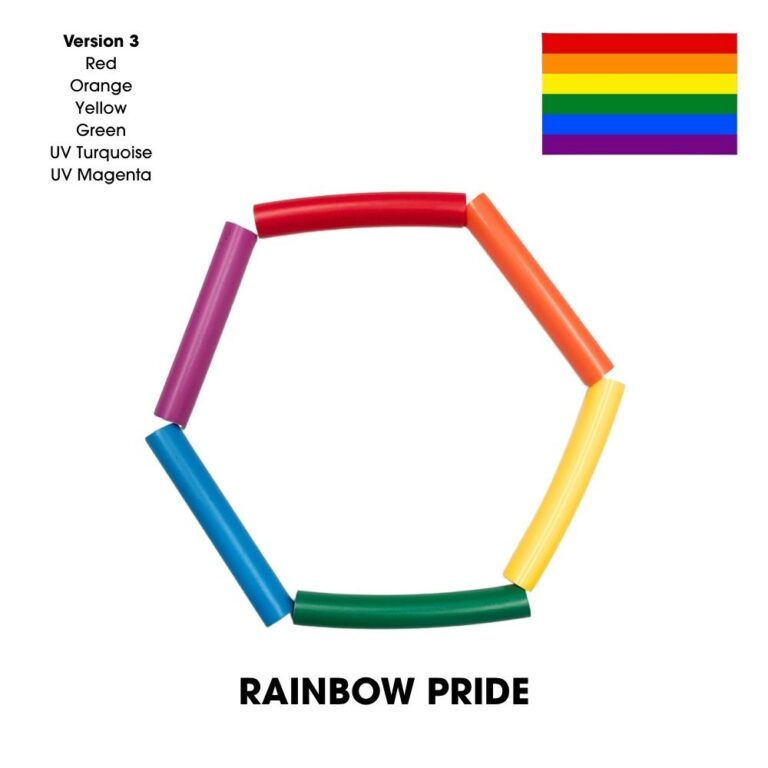
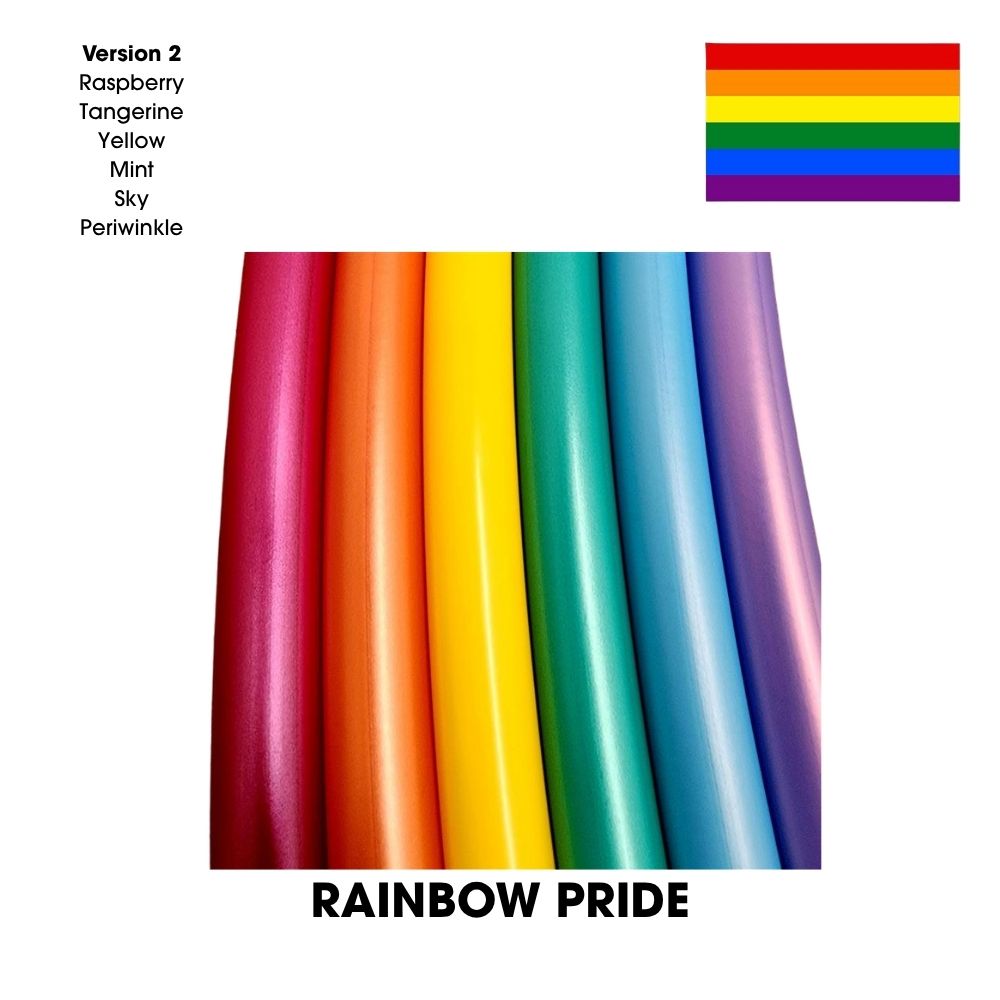
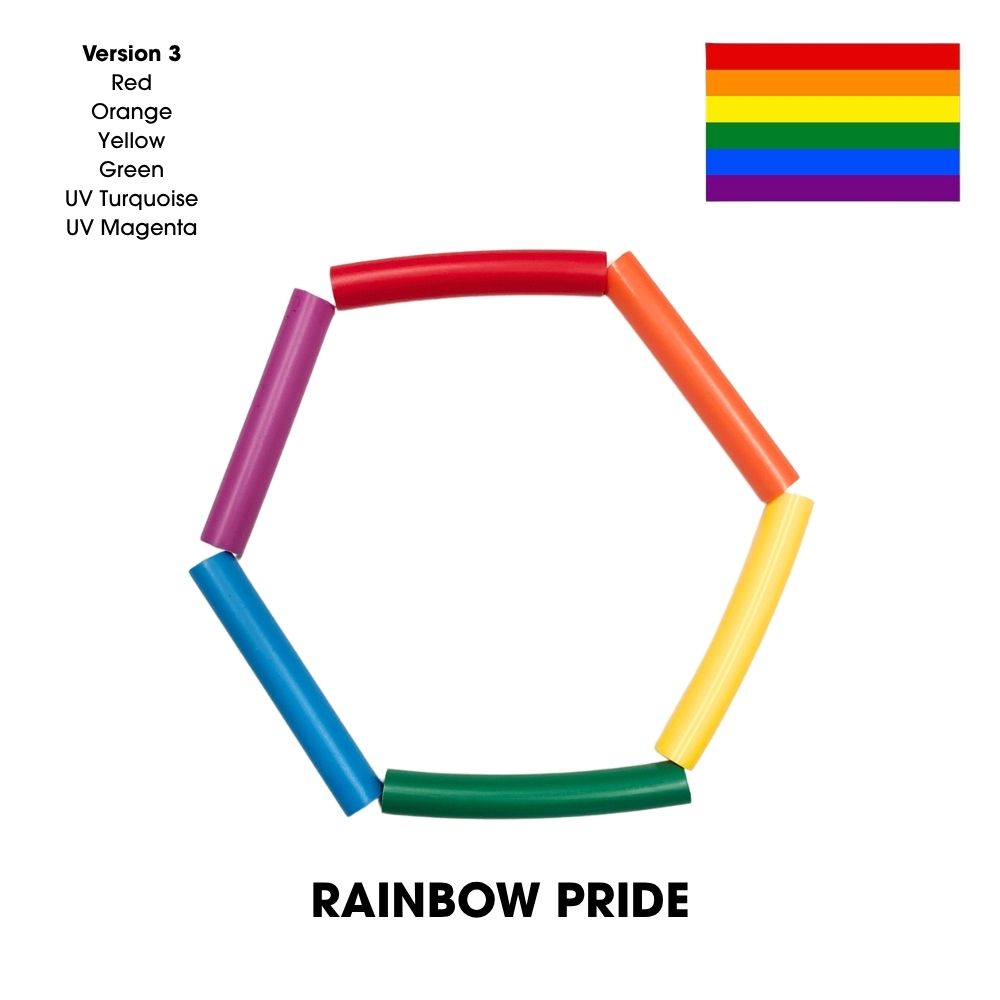
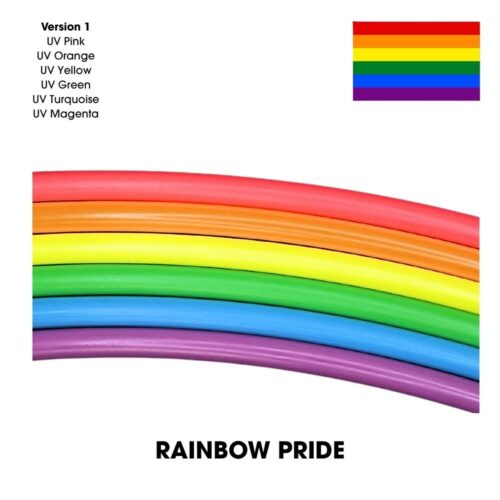
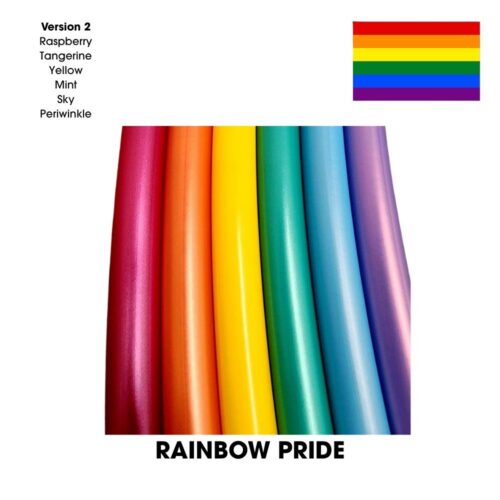
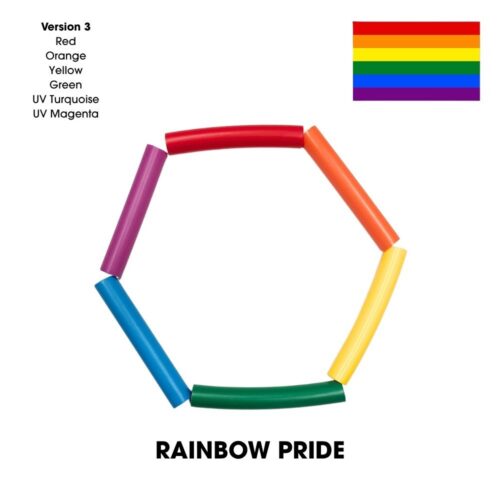
Rainbow Pride Flag
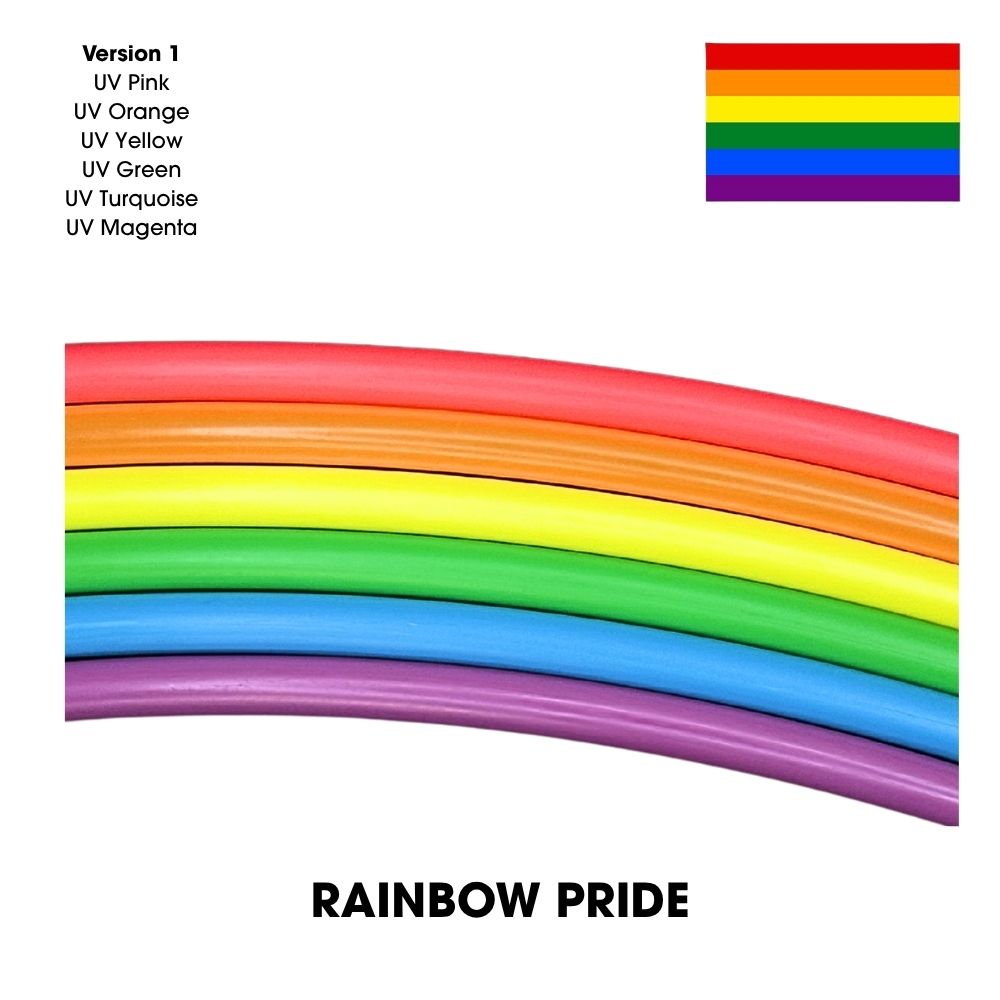
The familiar six-stripe Rainbow Pride Flag evolved from Gilbert Baker’s original 1978 design and became a widely recognized symbol of LGBTQ+ pride, visibility, solidarity, and belonging.
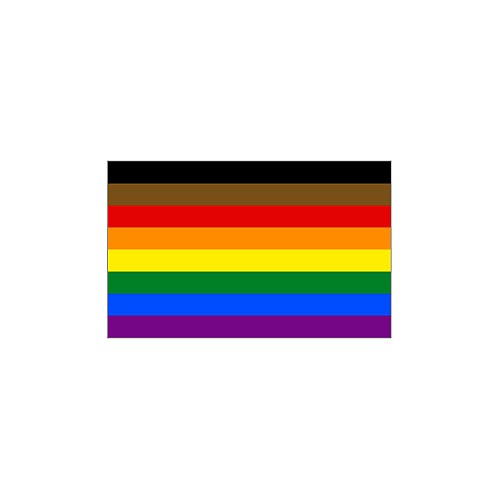
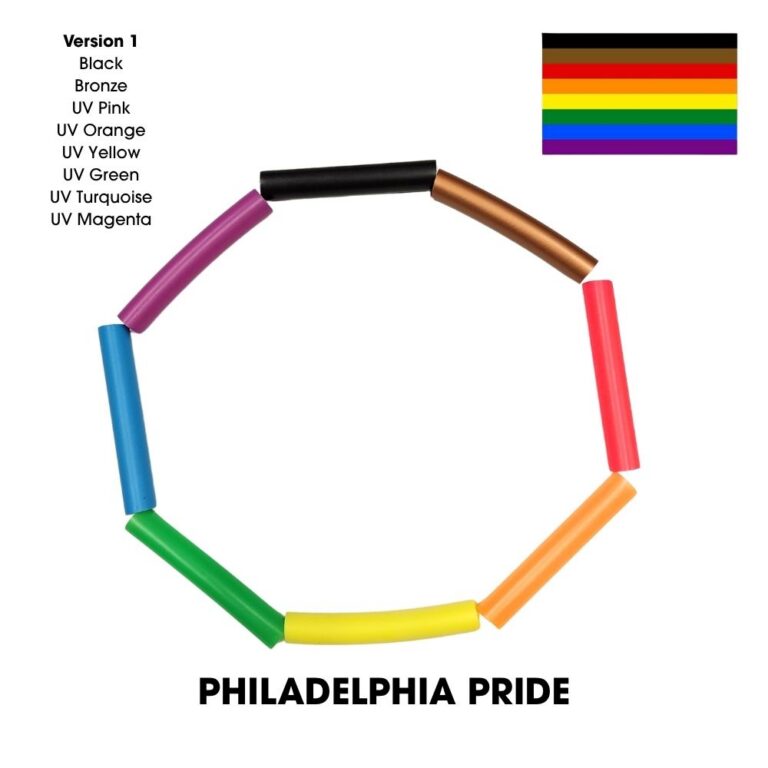
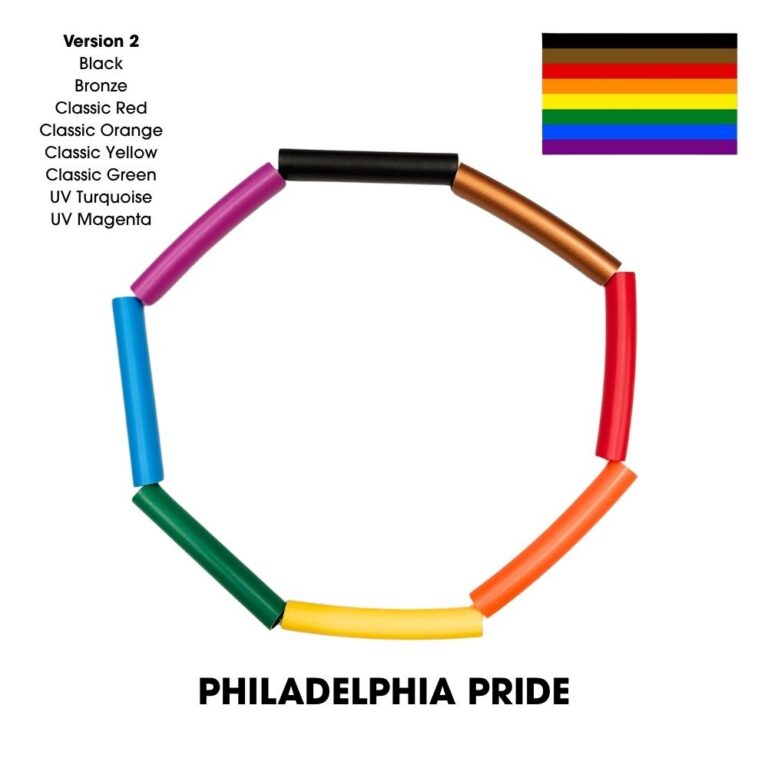
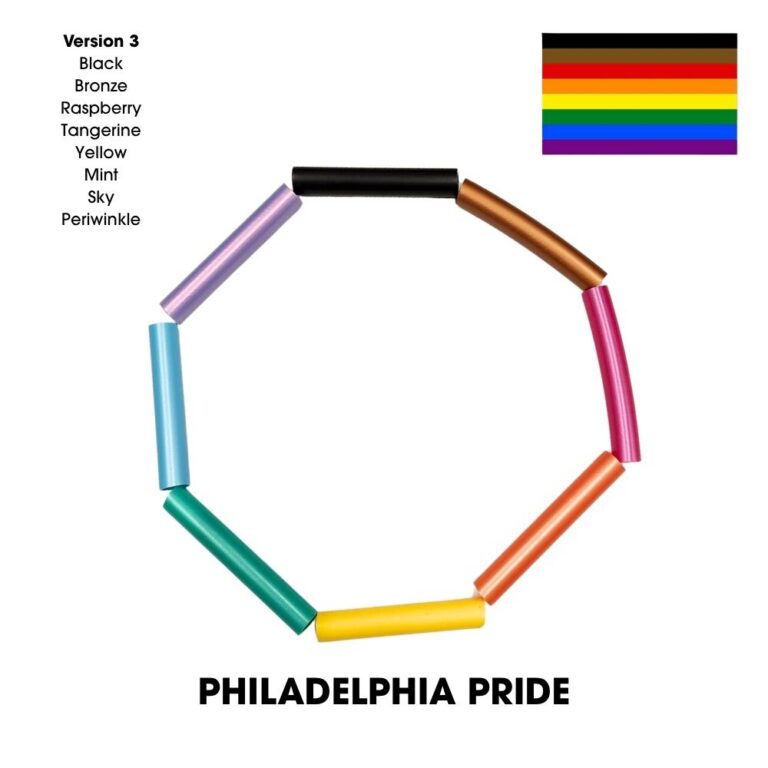
Philadelphia Pride Flag
Introduced in Philadelphia in 2017, this variation adds black and brown stripes to the rainbow flag to honor Black and Brown LGBTQ+ communities and call attention to racial inclusion.
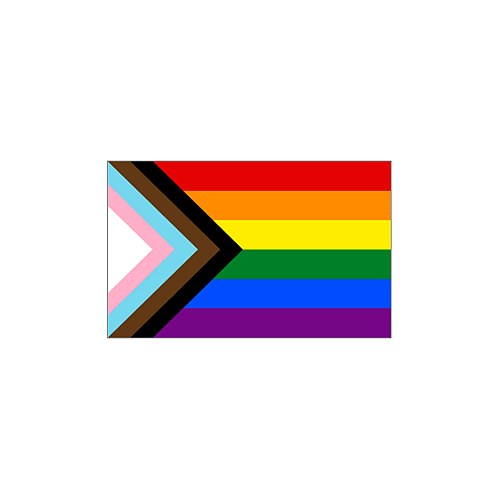
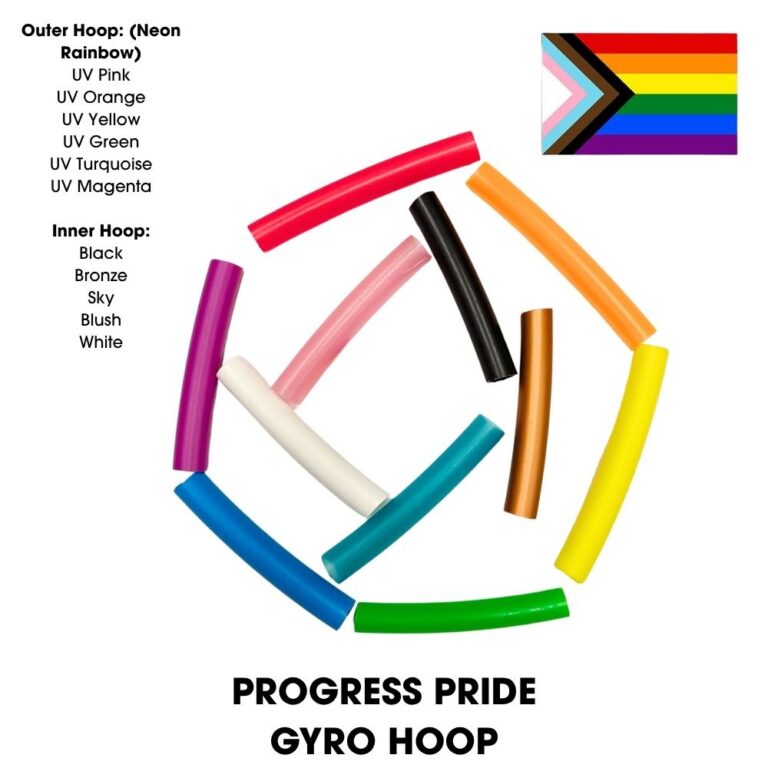
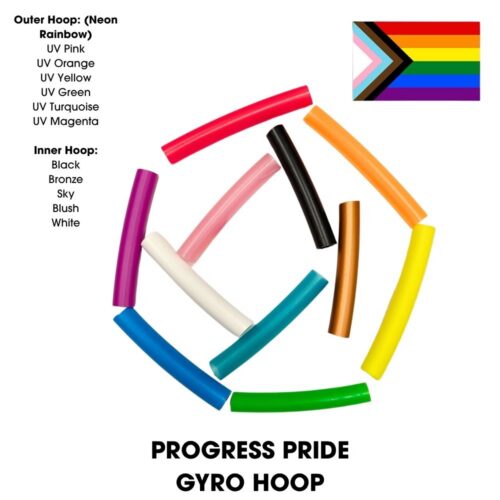
Progress Pride Flag
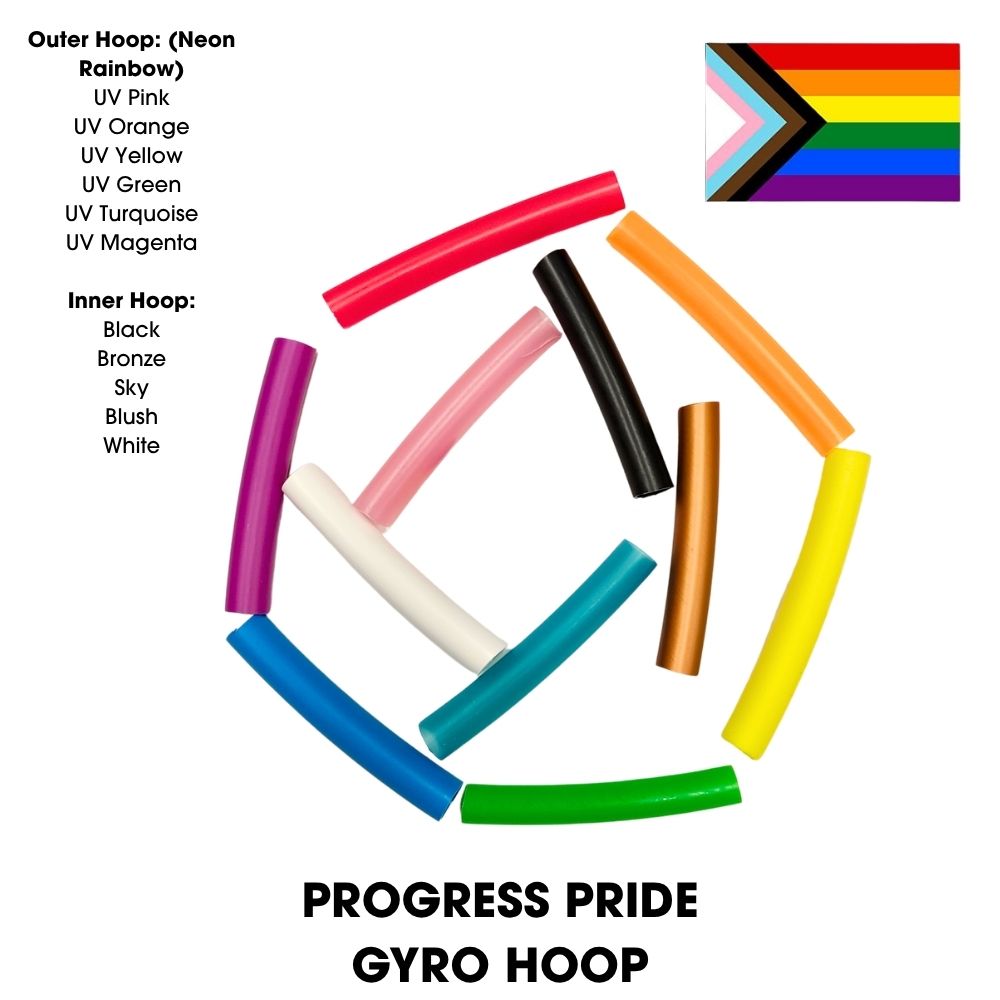
Designed by Daniel Quasar in 2018, the Progress Pride Flag adds a forward-pointing chevron to center trans people, queer people of color, and people affected by HIV/AIDS while recognizing that further progress is still needed.t
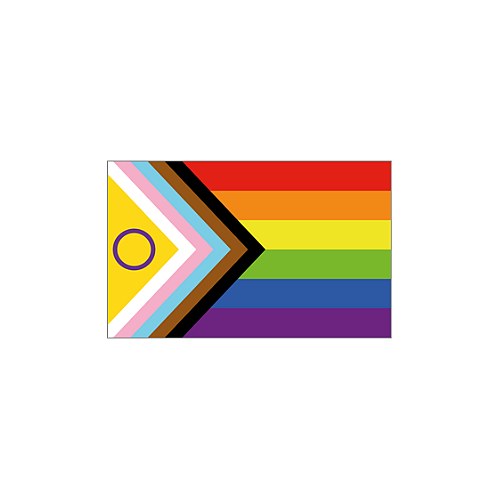
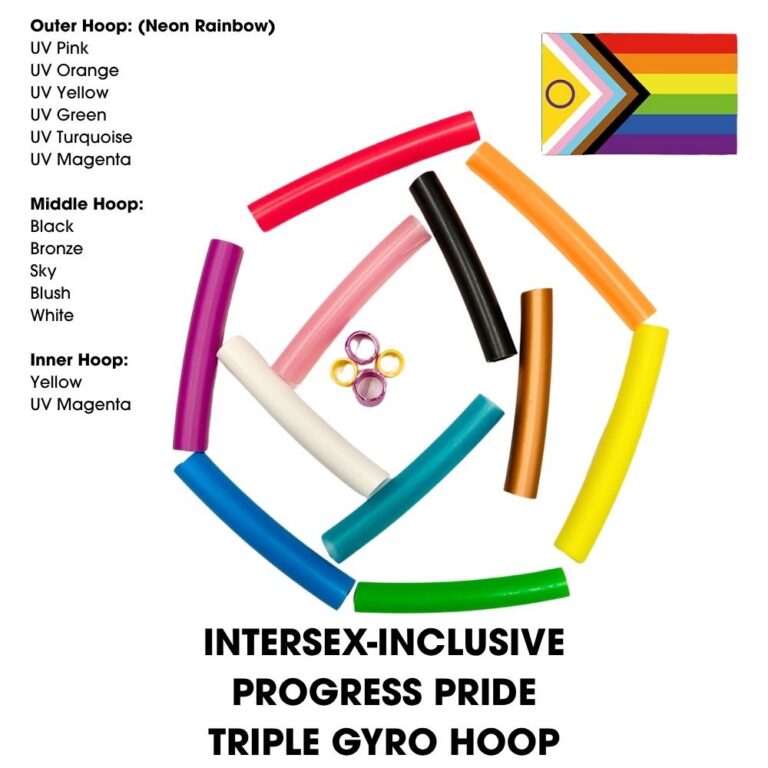
Intersex-Inclusive Progress Pride Flag
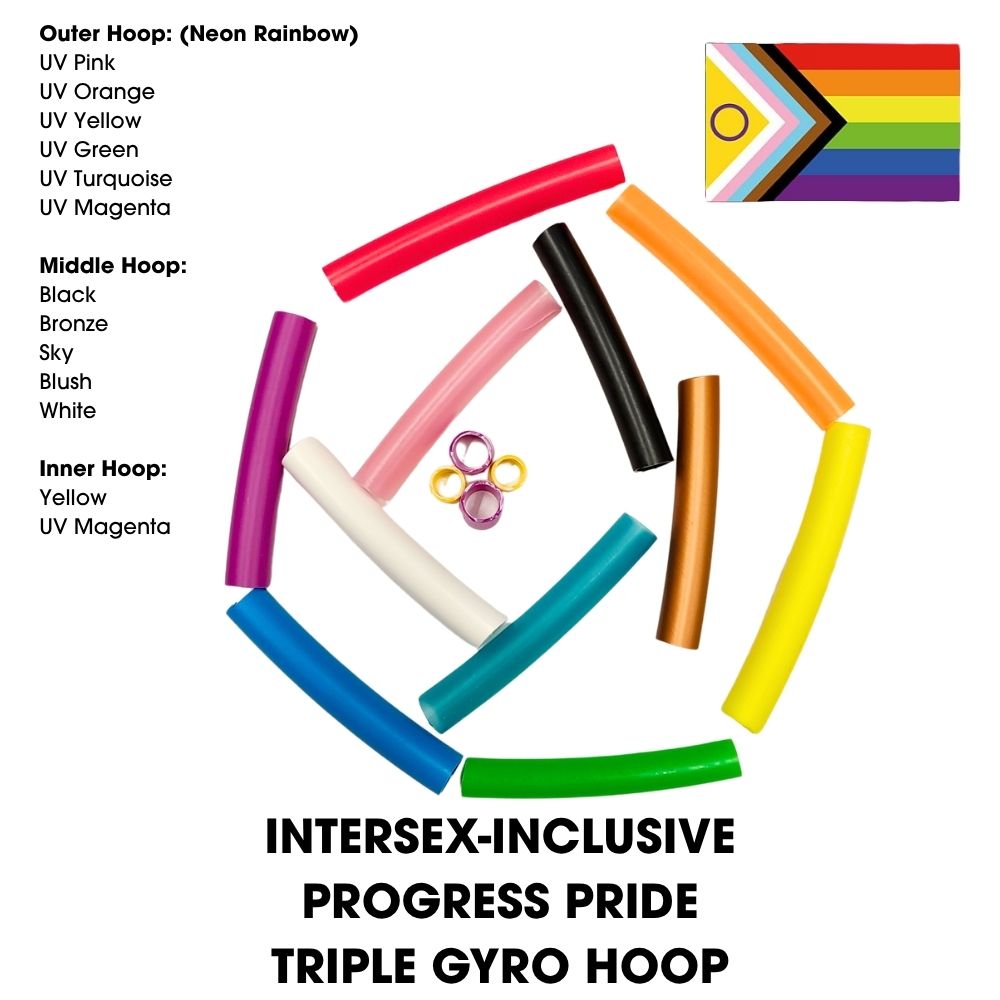
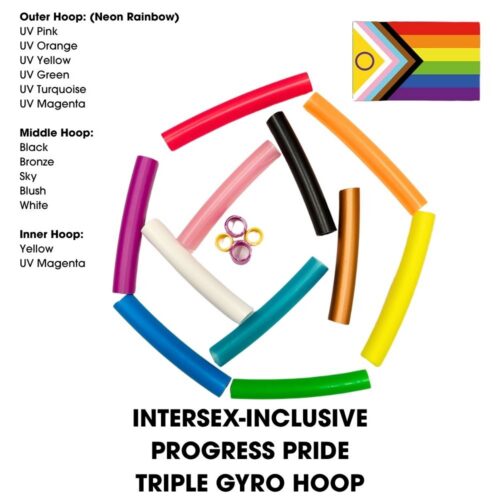
Created by Valentino Vecchietti in 2021, this design adds the yellow field and purple circle of the Intersex Pride Flag to the Progress Pride Flag, making intersex inclusion explicit.
Orientation, Attraction, and Relationship Flags
These flags celebrate the many ways people experience attraction, connection, and relationships. Some represent sexual or romantic orientations, while others reflect broader relationship experiences and communities.
Together, they offer space for visibility, recognition, and pride in the diverse ways people connect with one another.
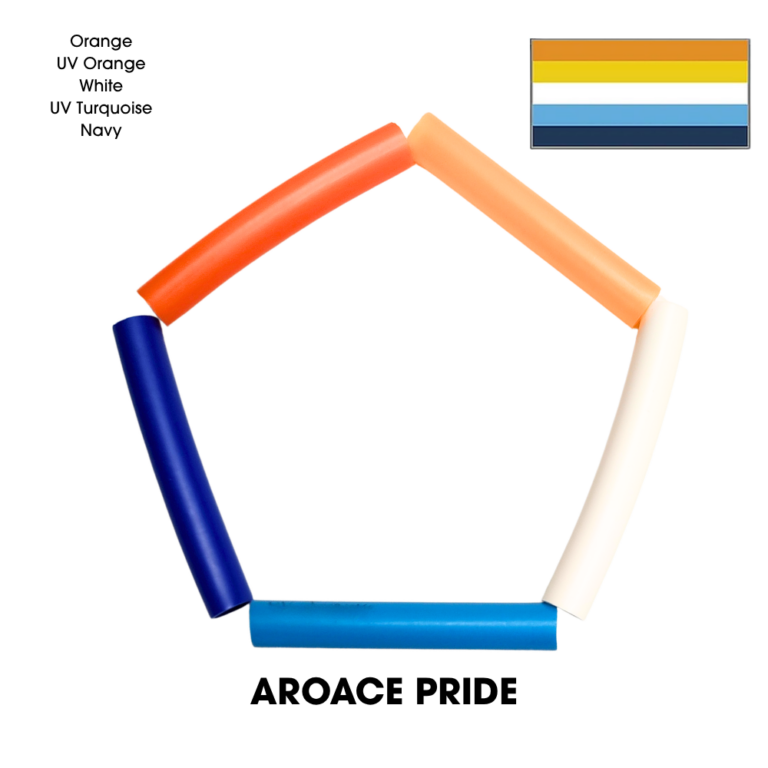
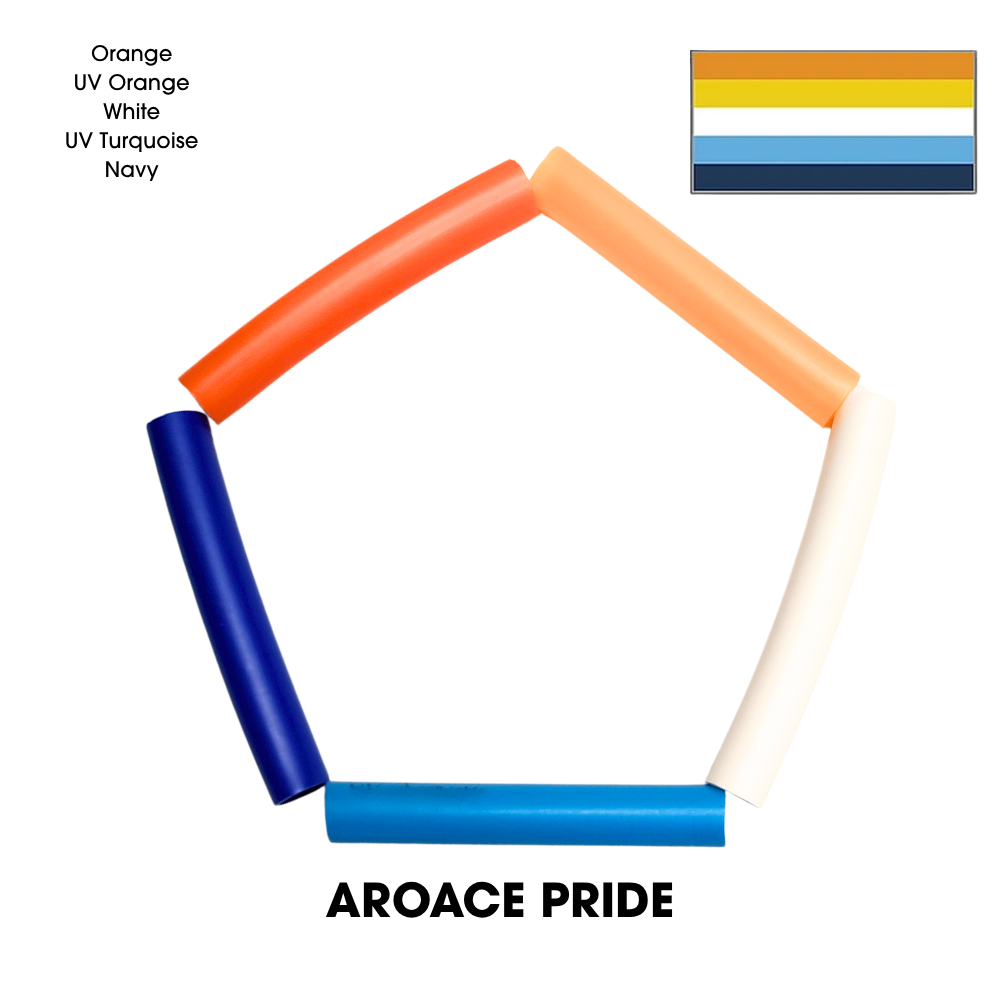
Aroace Pride
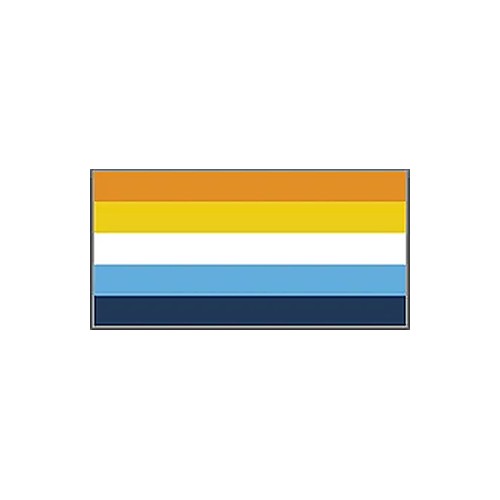
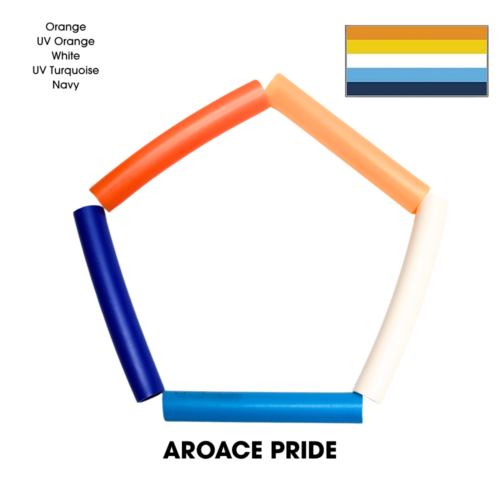
The Aroace Pride Flag represents people who identify on both the aromantic and asexual spectrums. Its sunset-inspired palette celebrates meaningful forms of connection beyond conventional expectations.
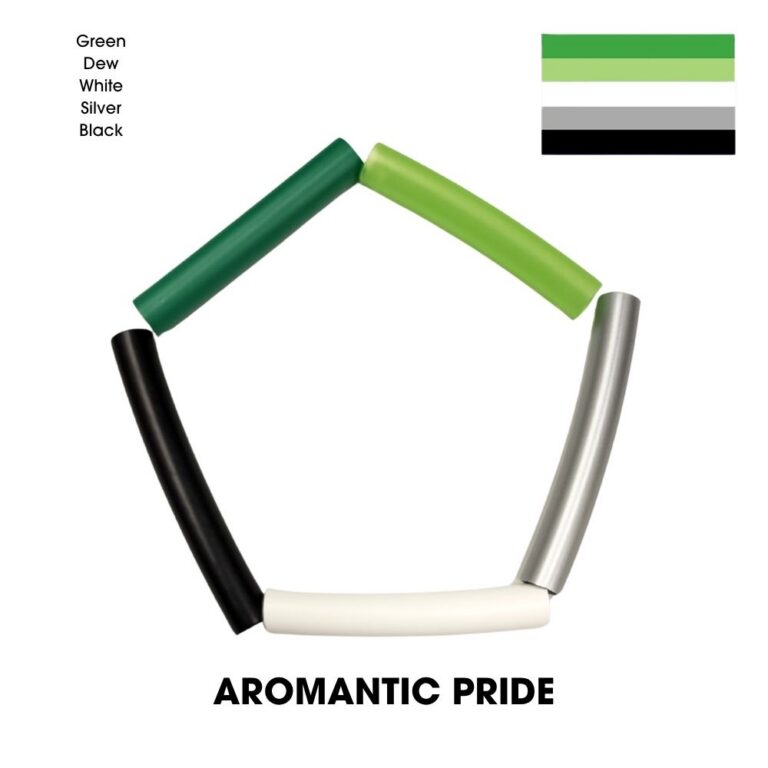
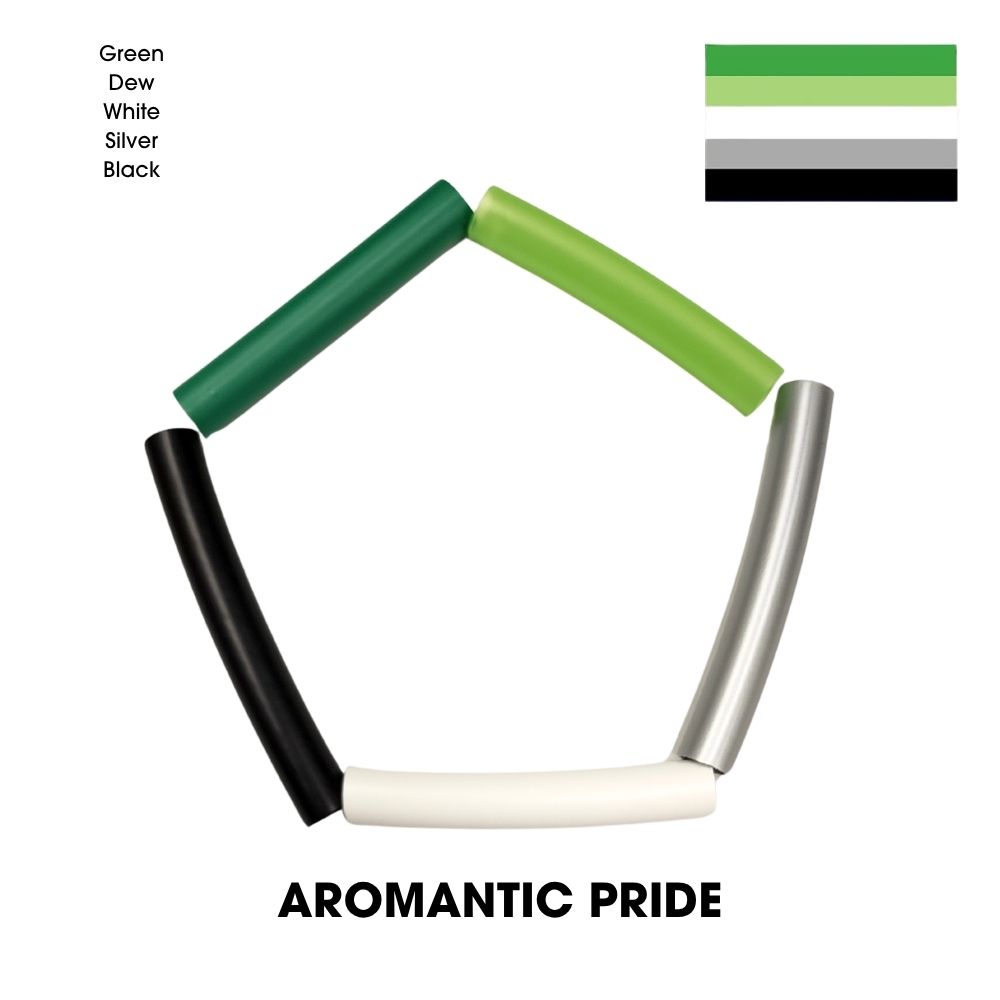
Aromantic Pride
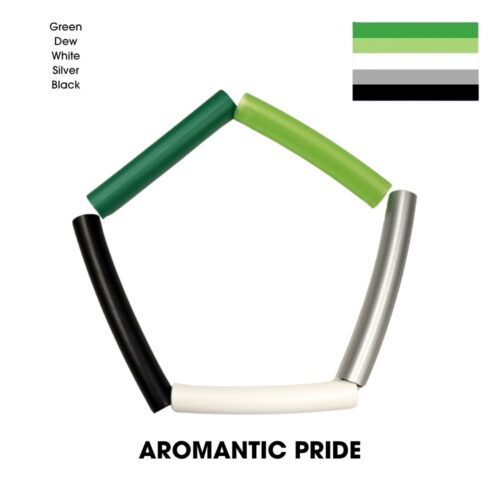
The Aromantic Pride Flag represents people who experience little or no romantic attraction. Its greens celebrate the aromantic spectrum, while white recognizes meaningful relationships beyond romance.
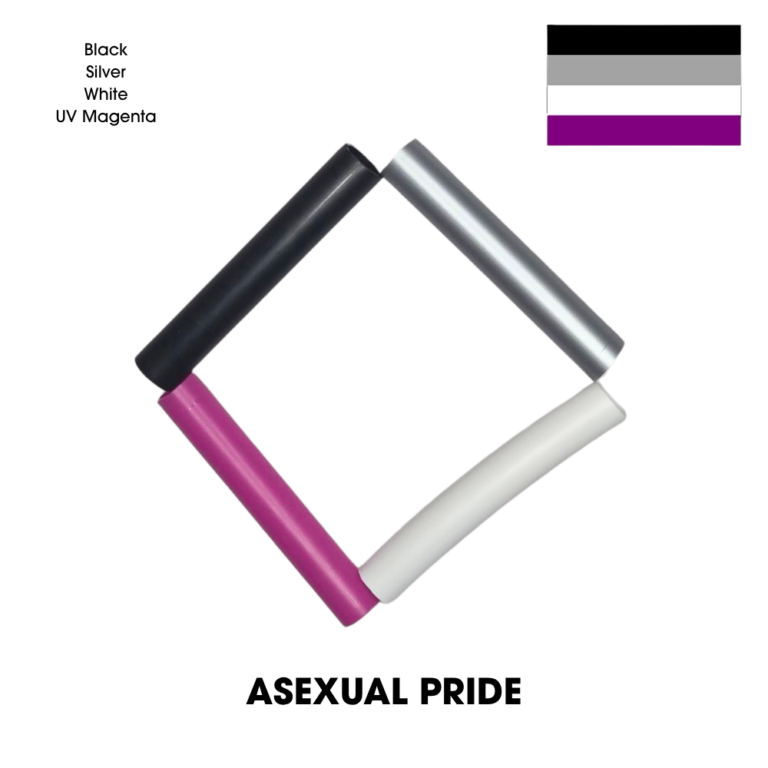
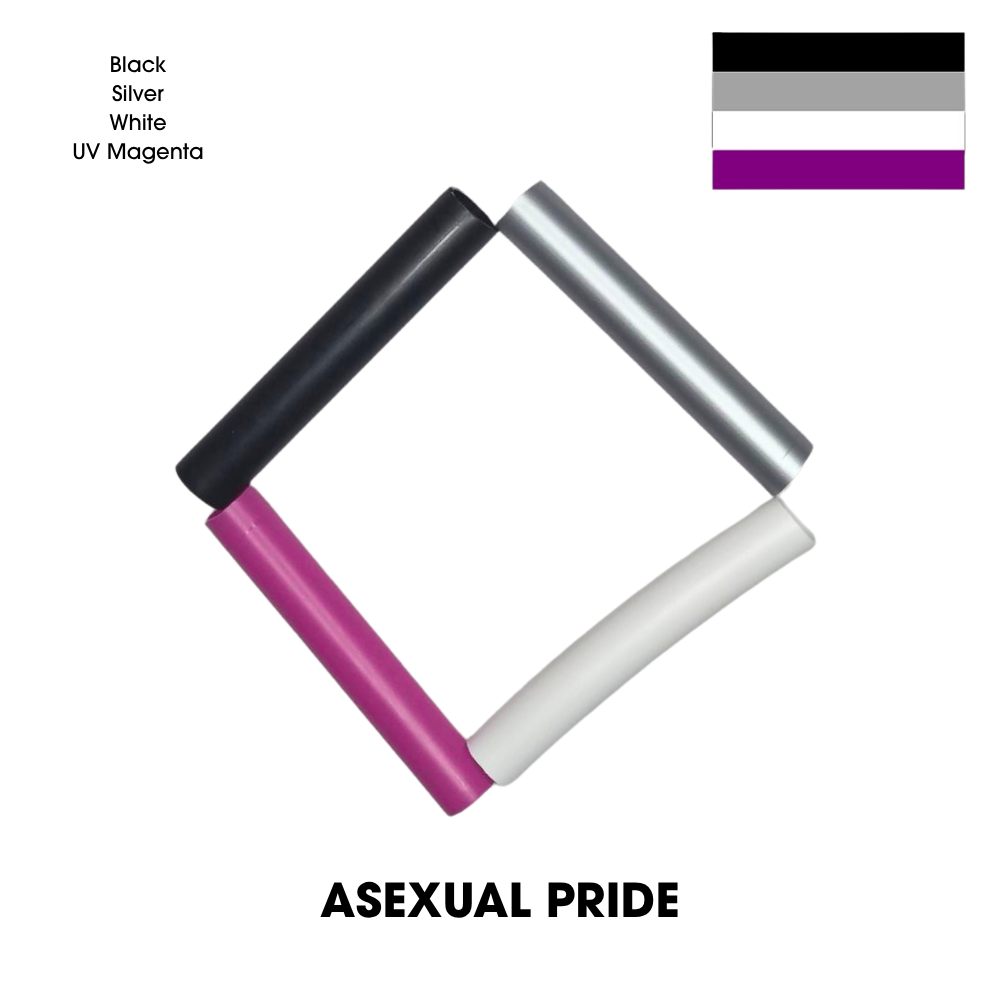
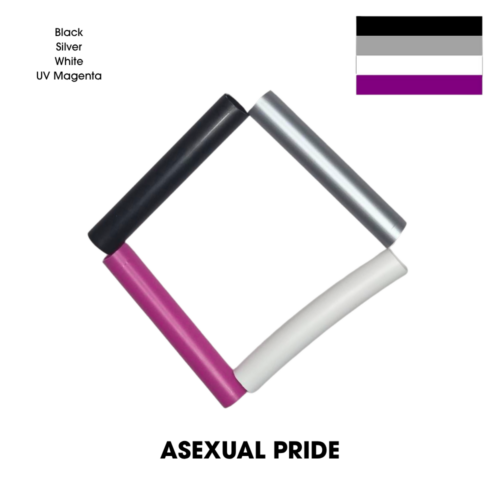
Asexual Pride
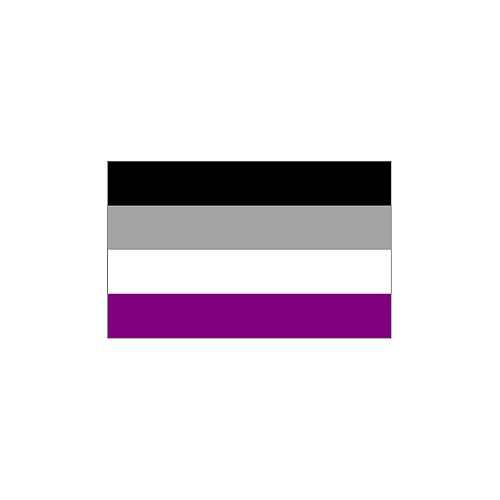
Chosen through a community contest in 2010, the Asexual Pride Flag represents the asexual spectrum. Its purple stripe celebrates community.
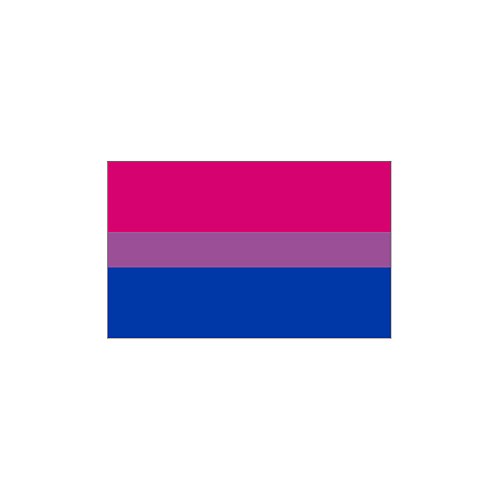
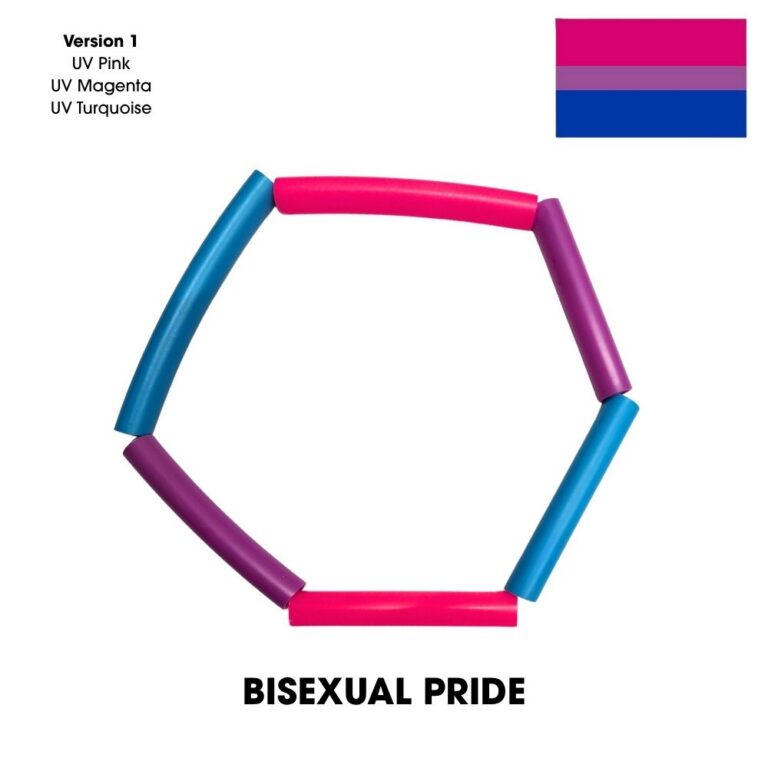
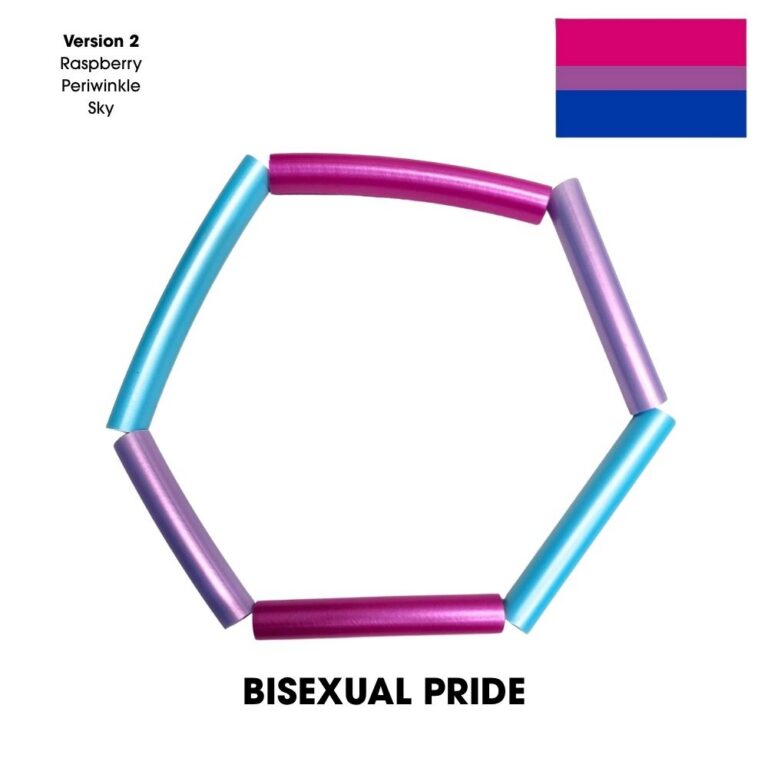
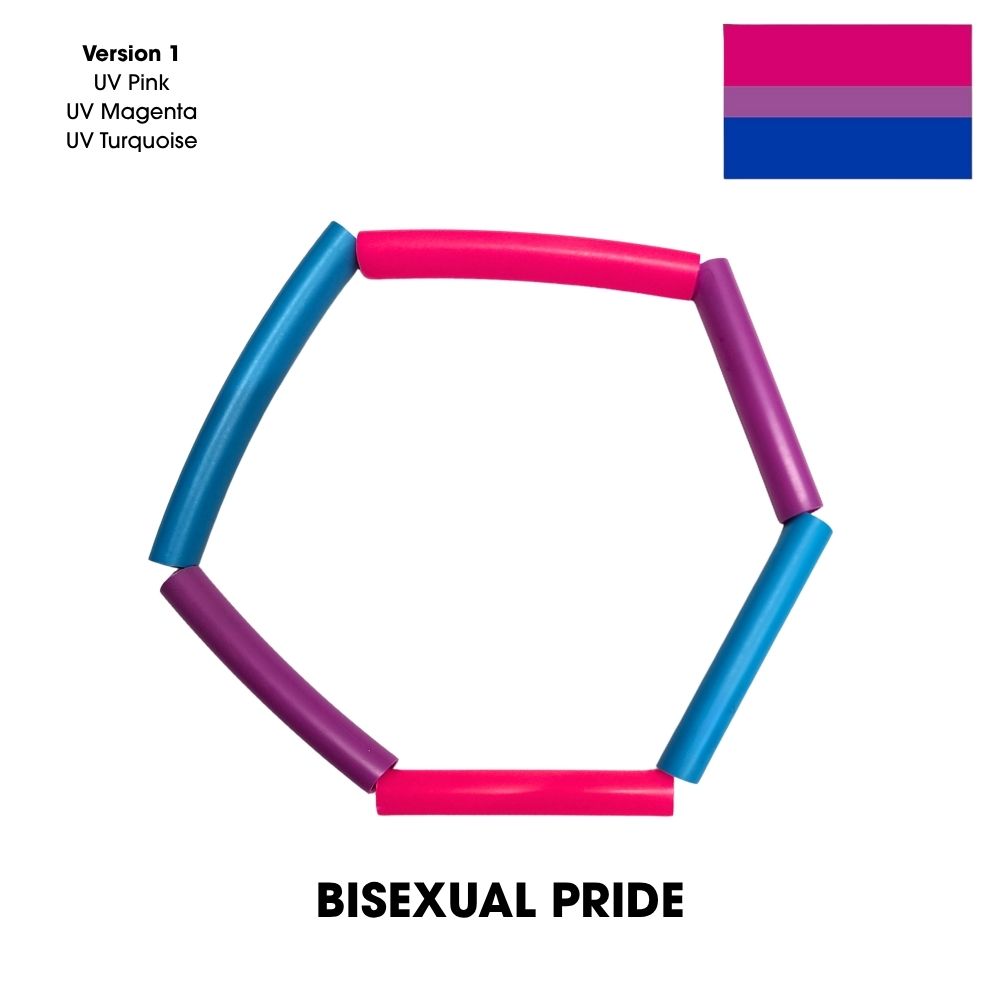
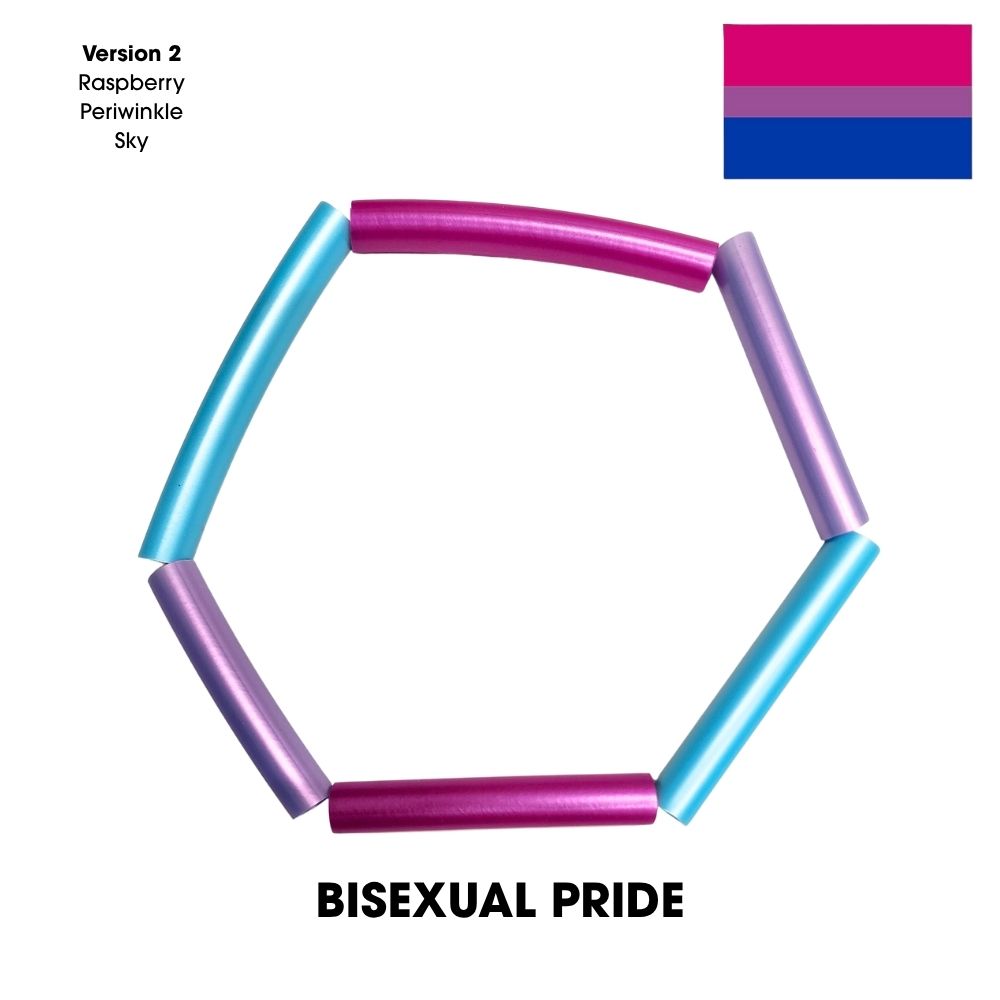
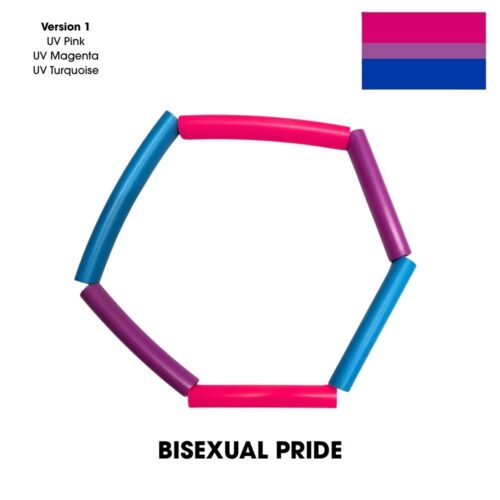
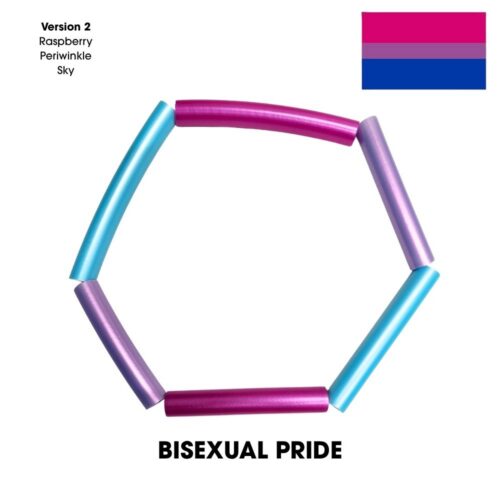
Bisexual Pride
Created by Michael Page in 1998, the Bisexual Pride Flag represents attraction to more than one gender. Its pink, purple, and blue stripes celebrate the overlap between those experiences.
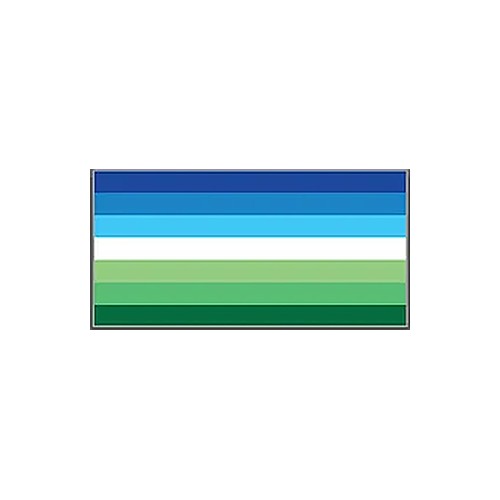
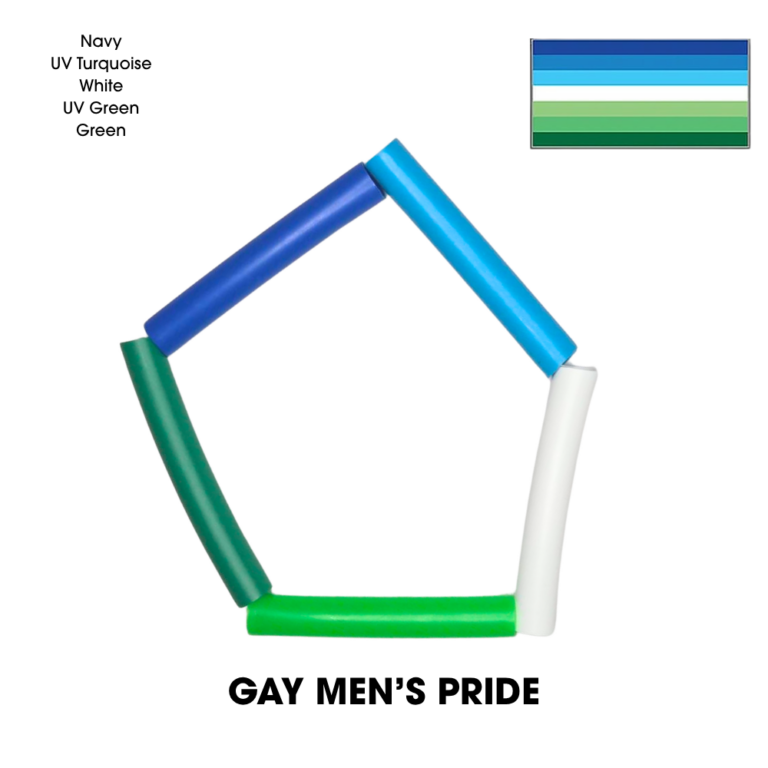
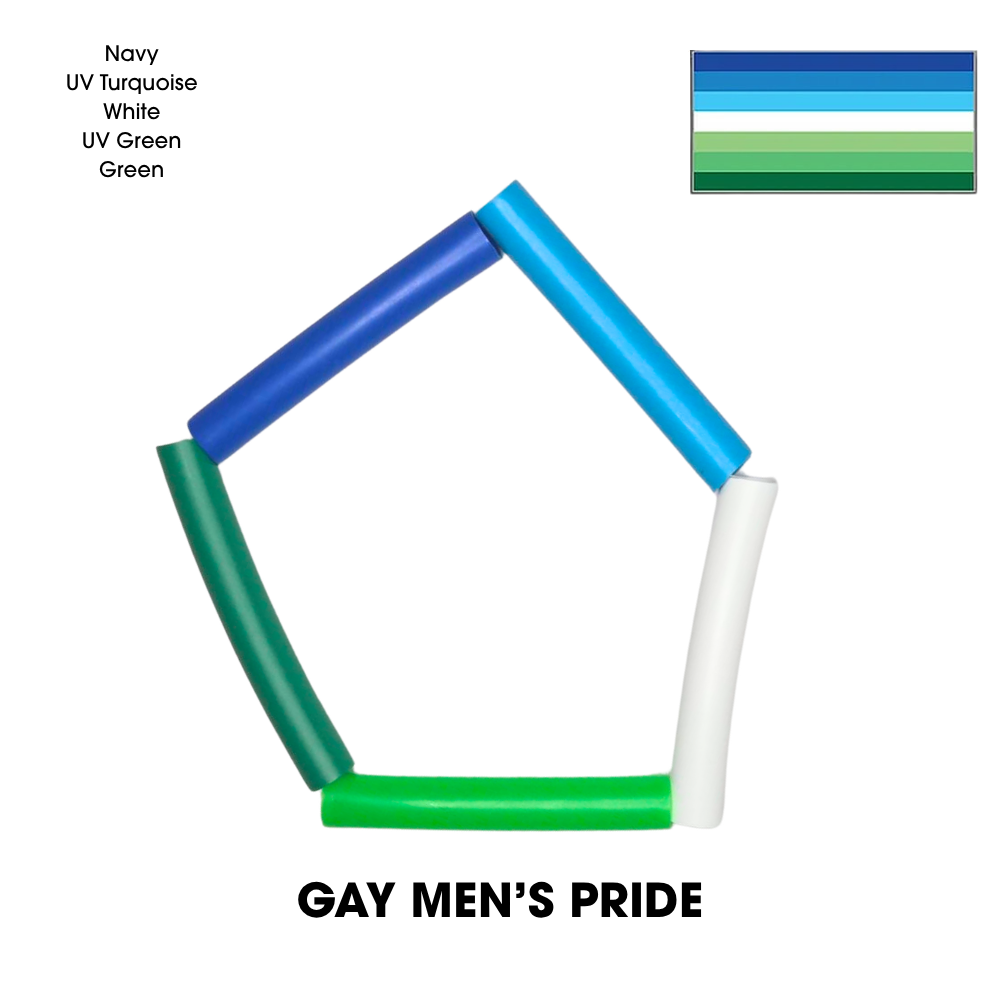
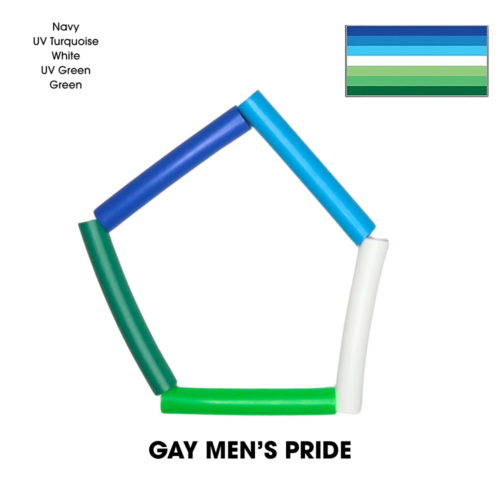
Gay Men’s Pride
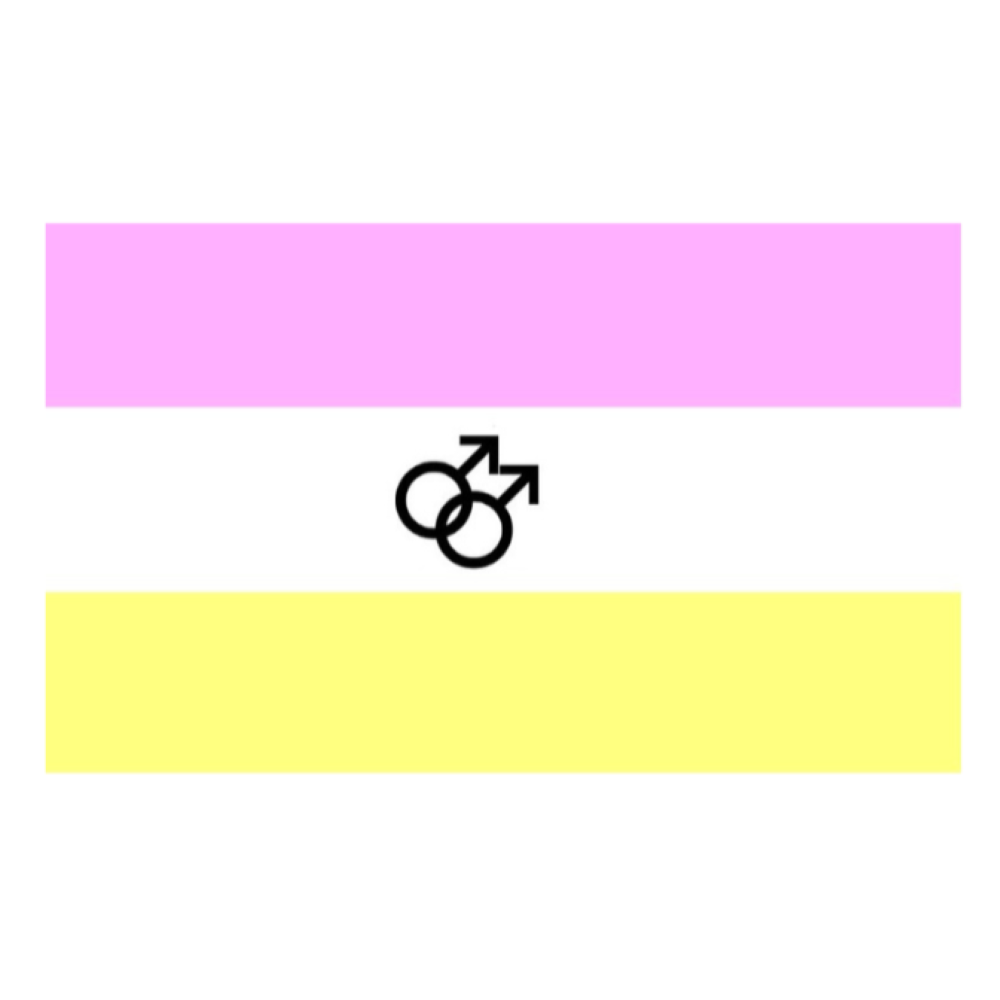
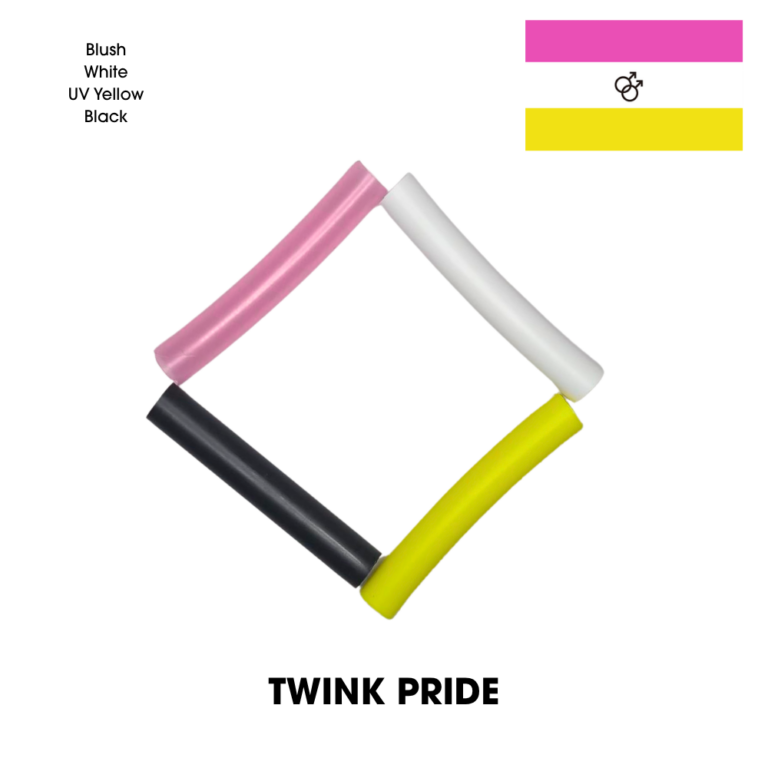
The Gay Men’s Pride Flag, also commonly called an MLM flag, celebrates community, healing, joy, love, courage, and inclusion among men who love men.
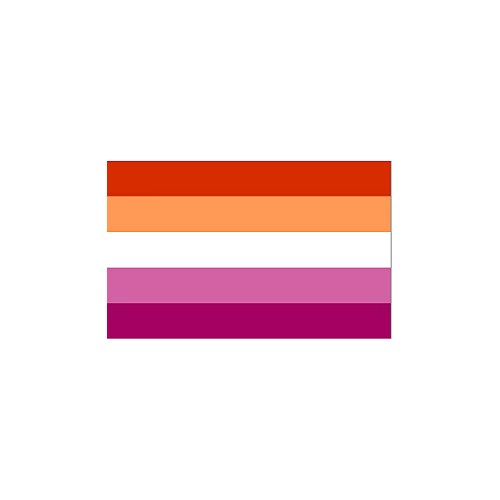
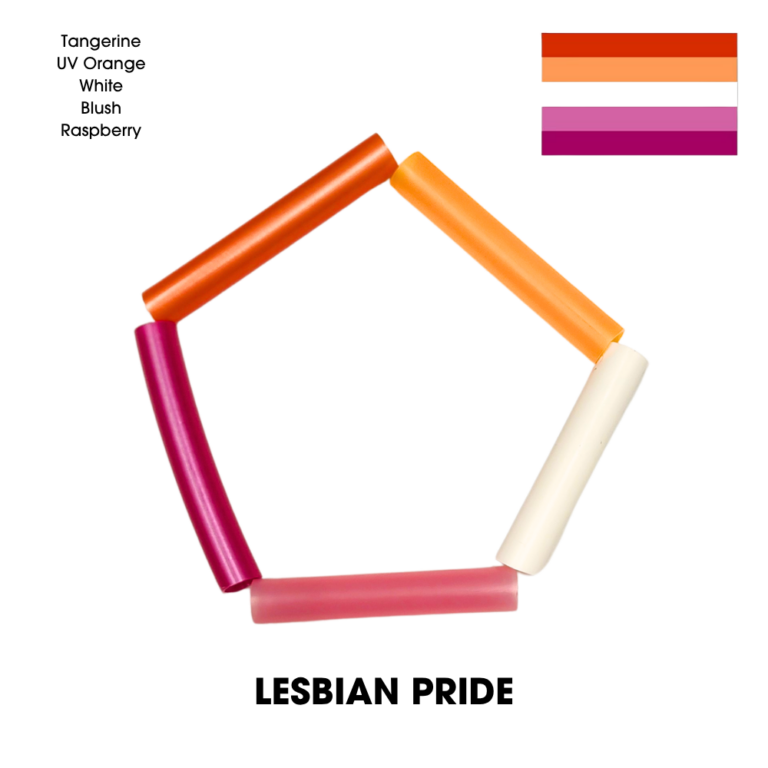
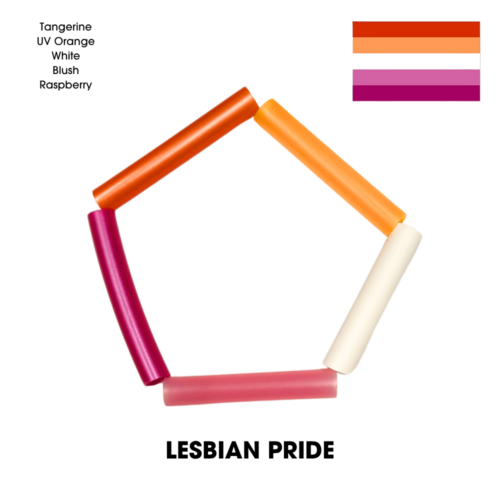
Lesbian Pride
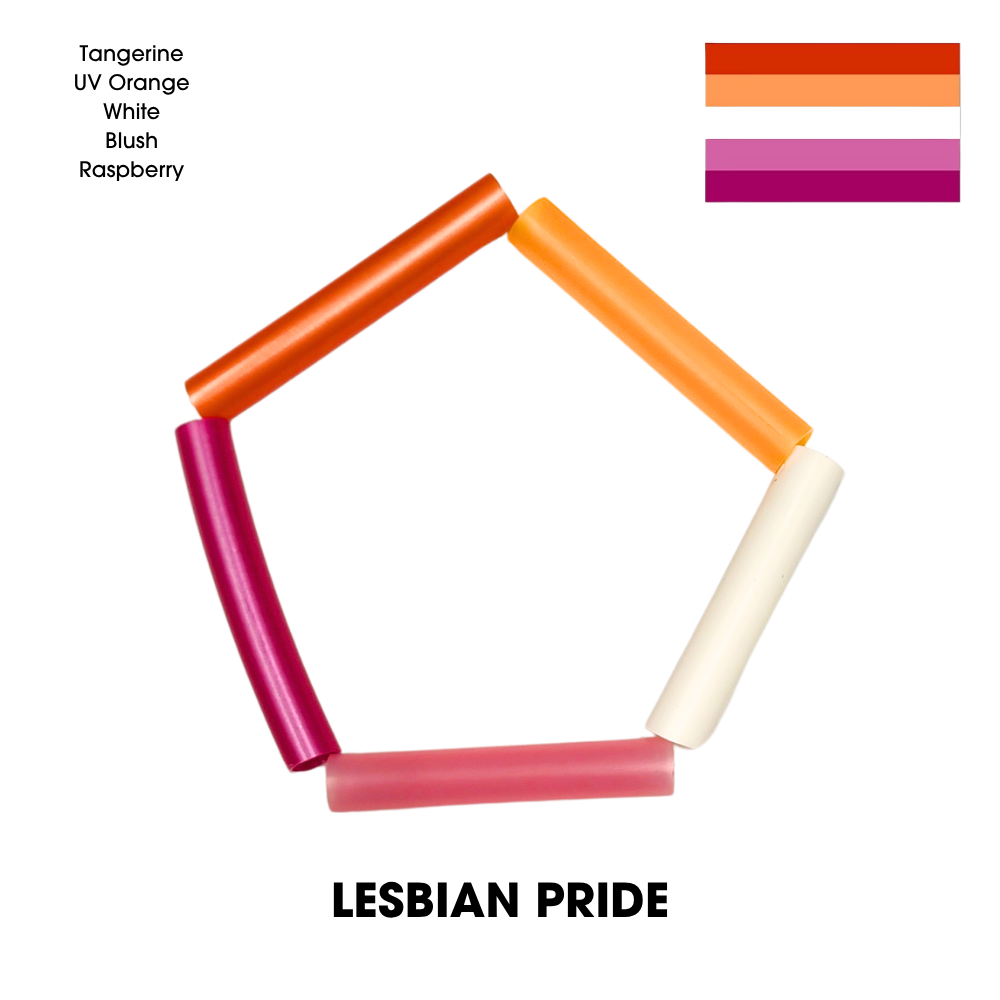
Created by Emily Gwen in 2018, the Sunset Lesbian Pride Flag celebrates the diversity of lesbian identities through warm shades representing community, independence, serenity, love, femininity, and unique relationships to womanhood.
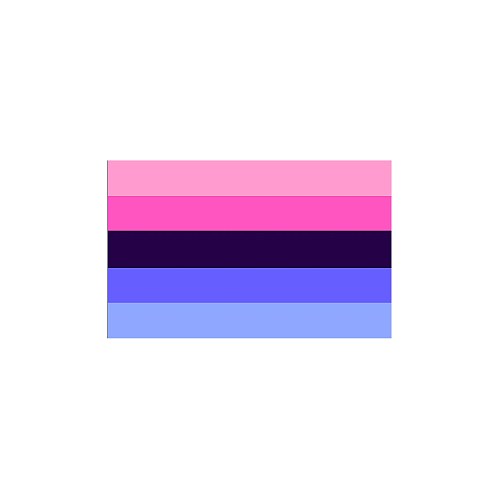
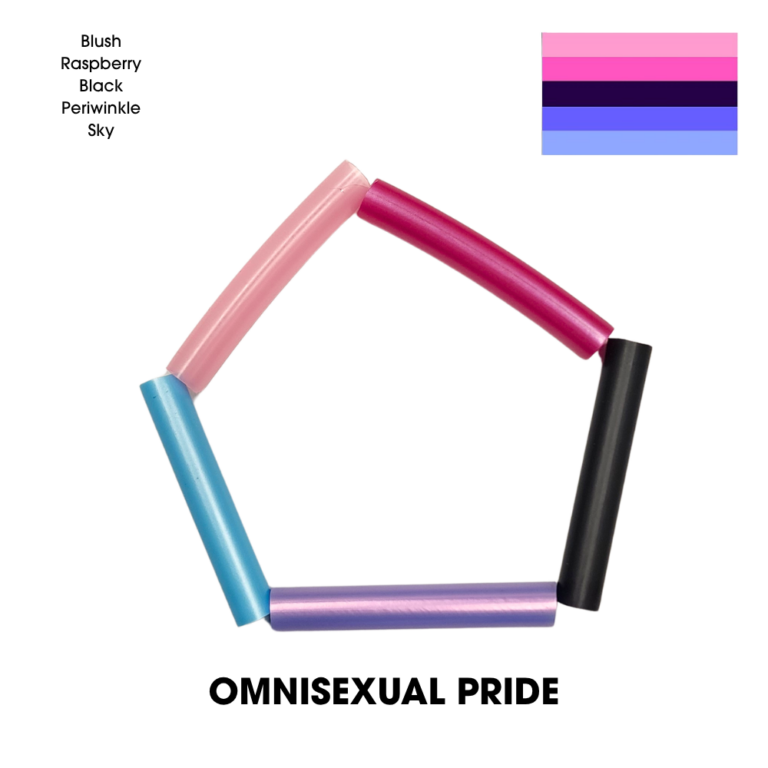
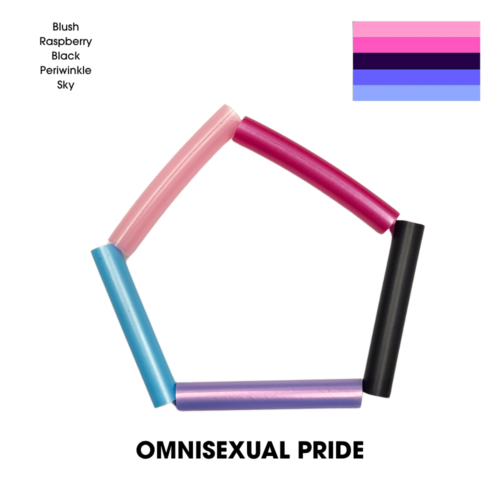
Omnisexual Pride
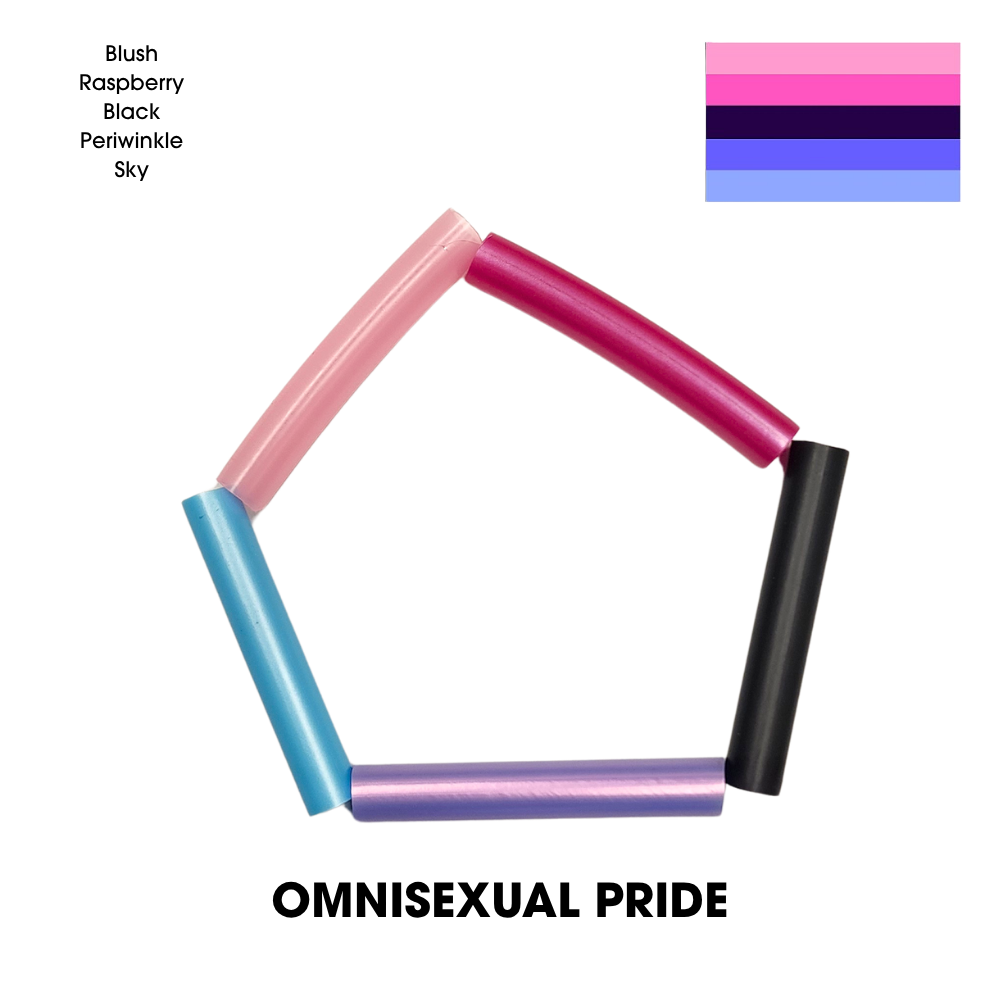
The Omnisexual Pride Flag represents attraction to people of all genders while recognizing that gender may still shape the experience of attraction.
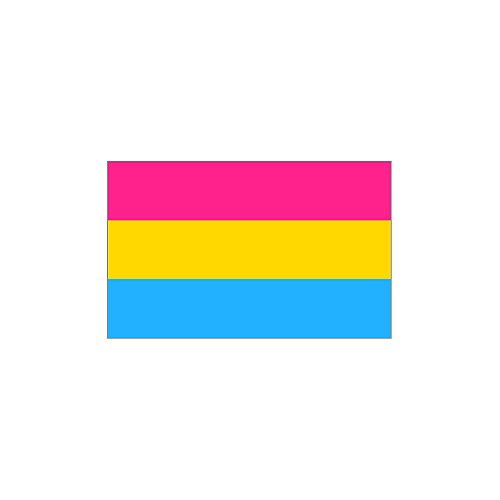
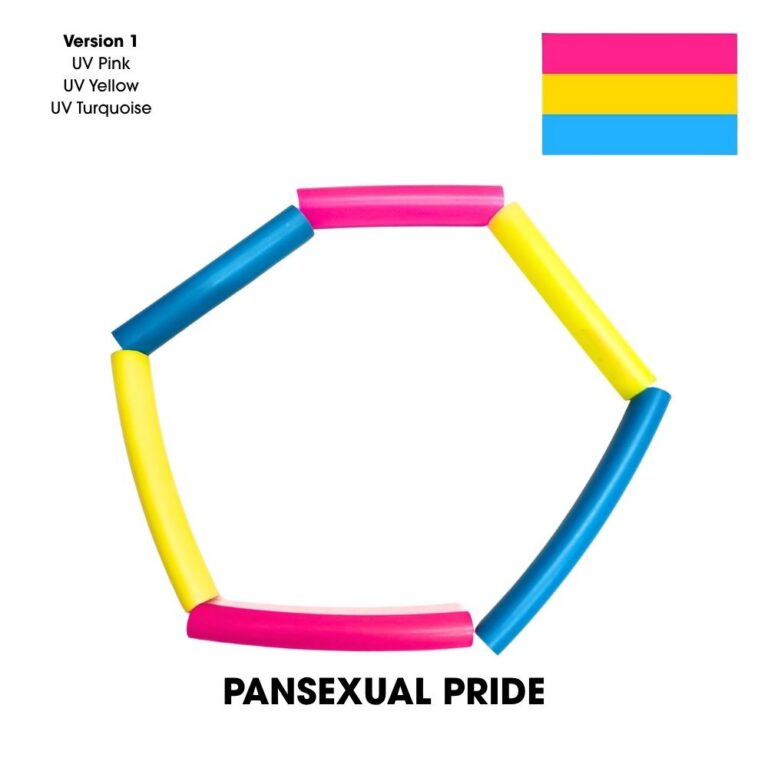
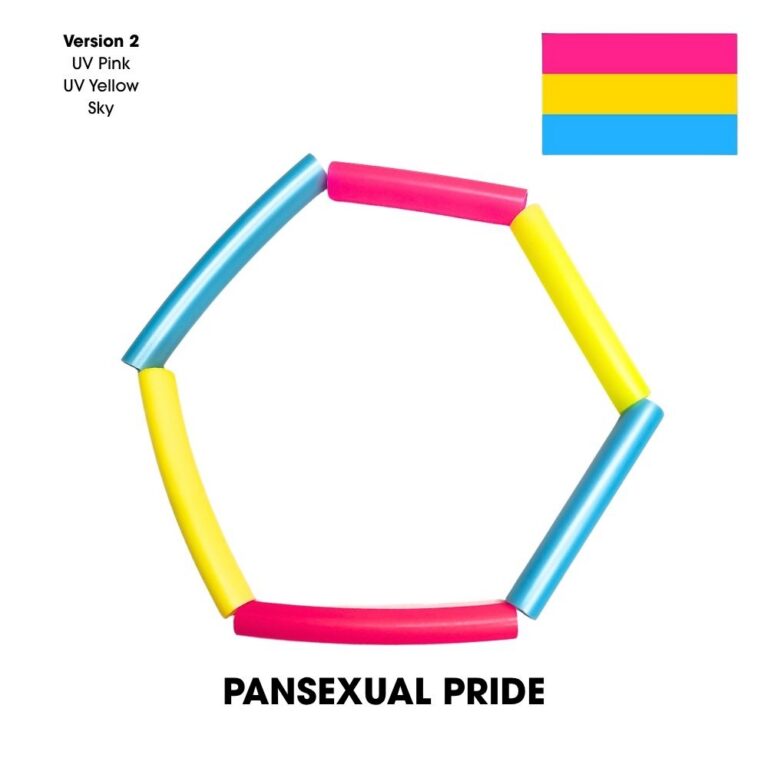
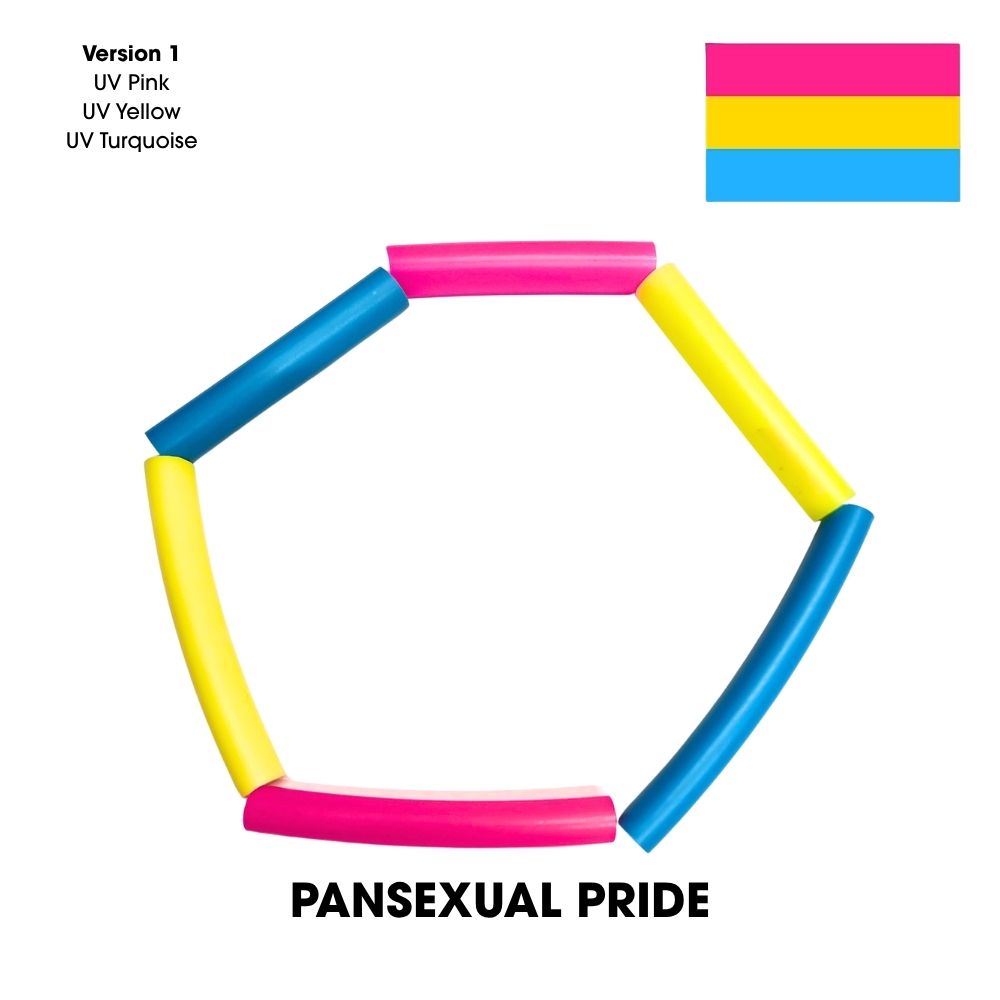
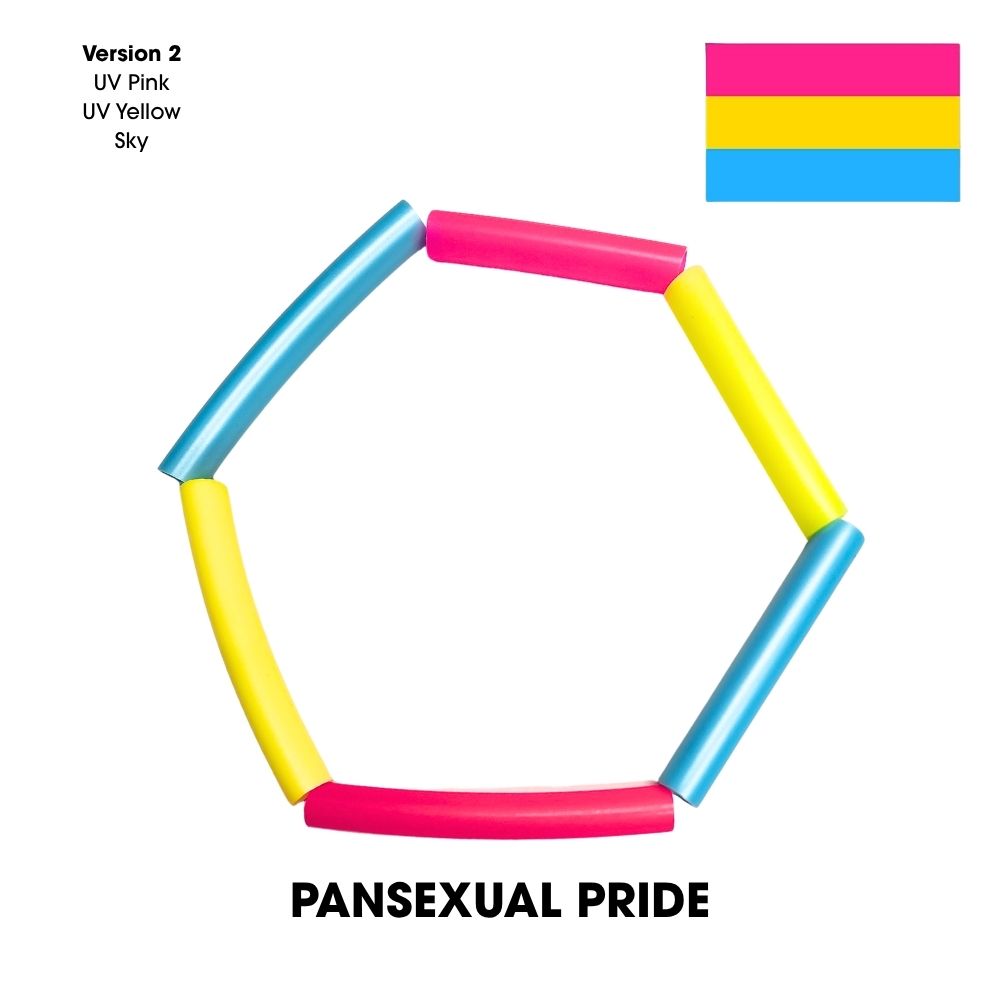
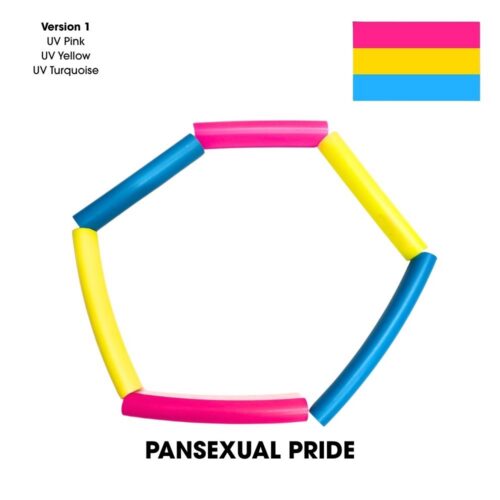
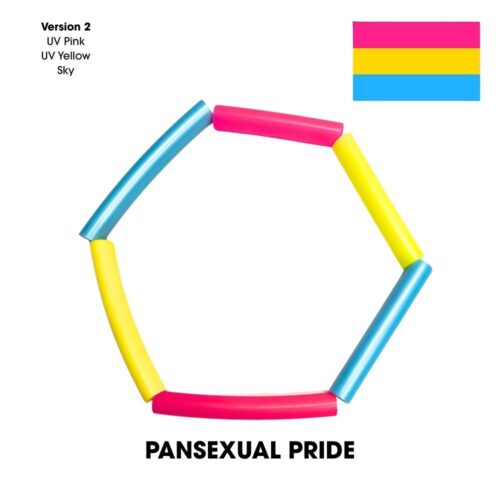
Pansexual Pride
Introduced in 2010, the Pansexual Pride Flag celebrates attraction that is not limited by gender. Its bright pink, yellow, and blue stripes create a joyful and highly recognizable design.
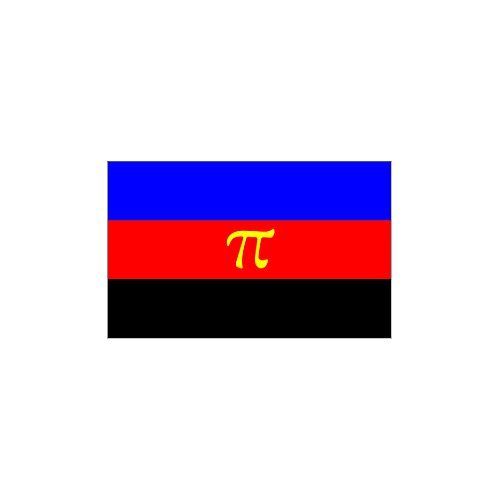
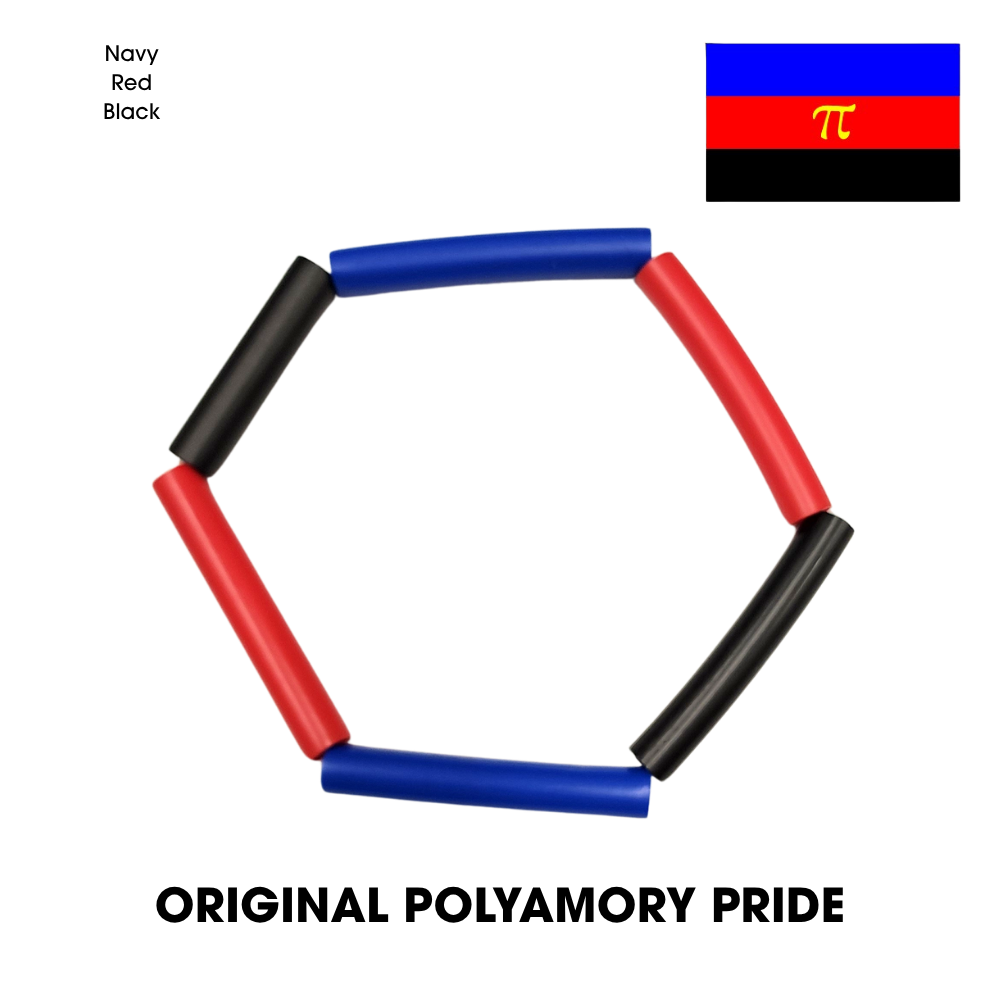
Polyamory Pride
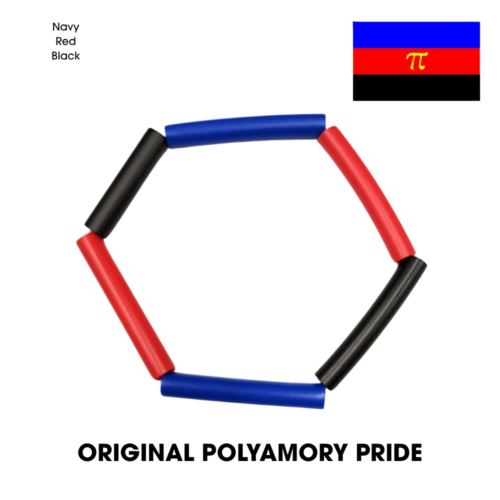
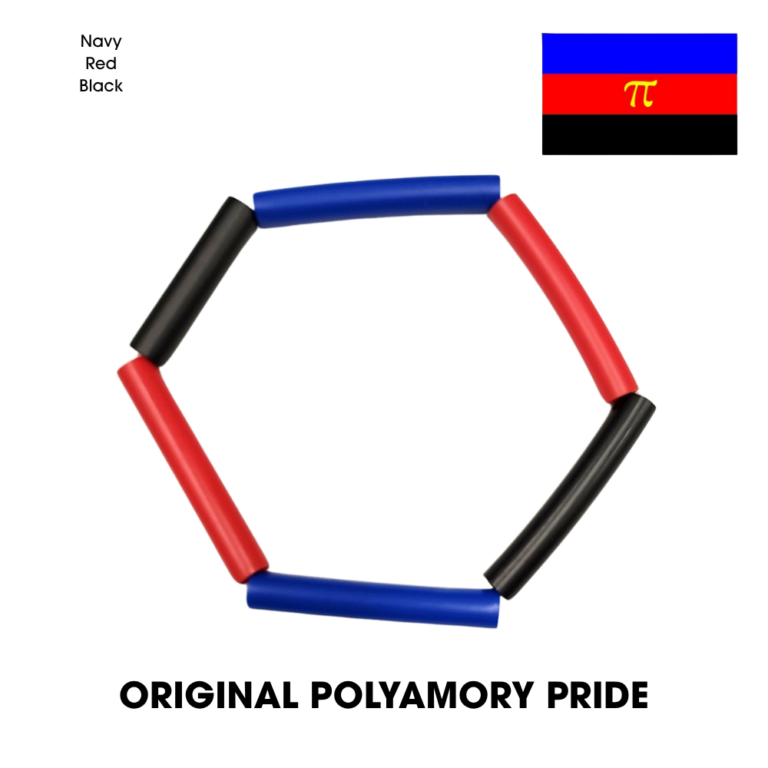
Created by Jim Evans in 1995, the original Polyamory Pride Flag represents openness, love, honesty, solidarity, and meaningful emotional connection within consensual non-monogamous relationships.
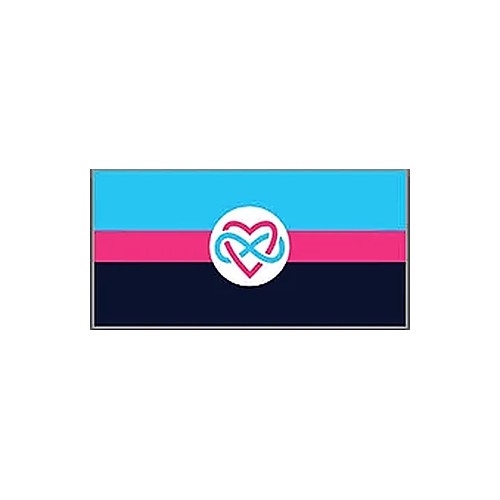
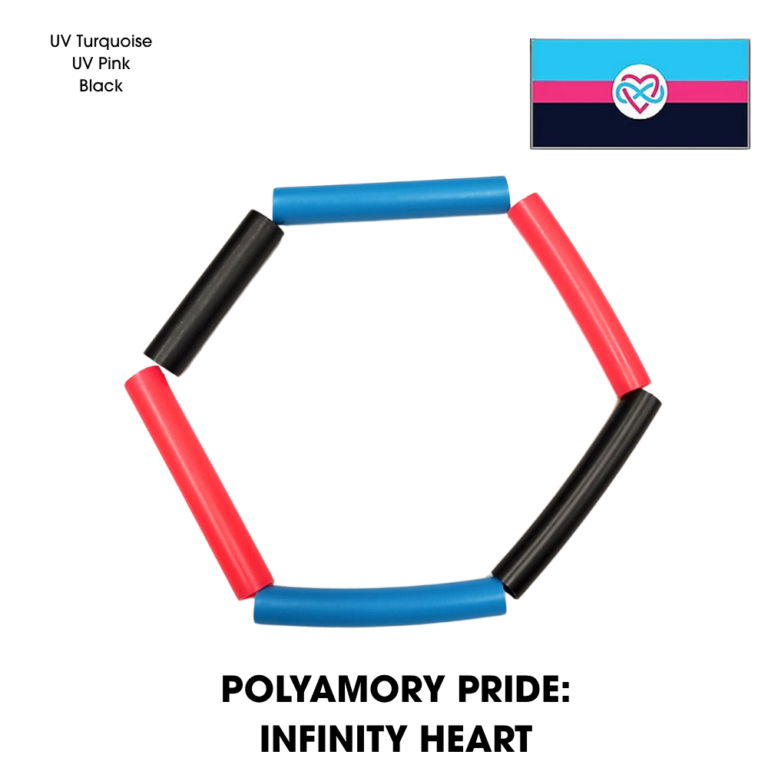
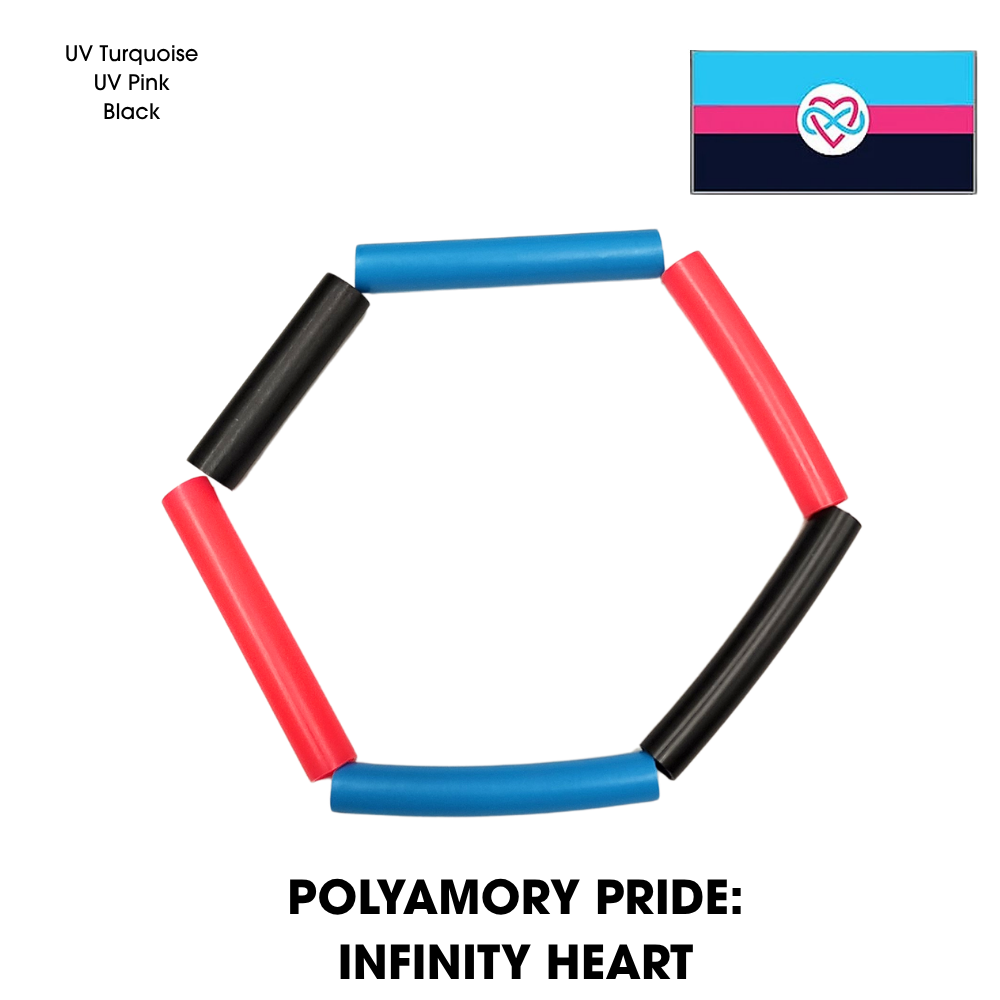
Polyamory (New) Pride
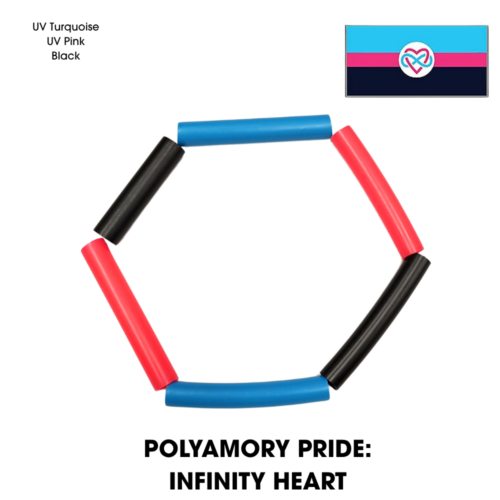
This newer Polyamory Pride design uses the infinity-heart symbol to celebrate consensual non-monogamy, connection, and the many ways people can build loving relationships.
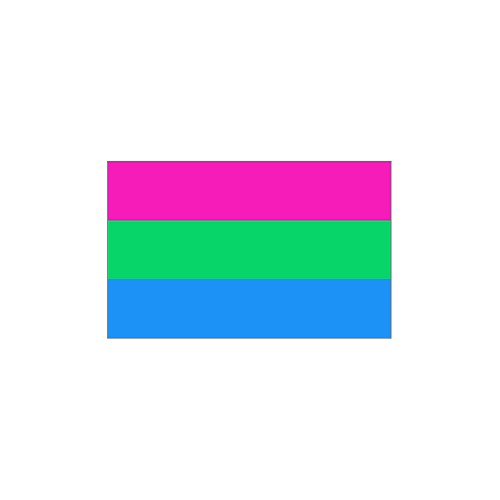
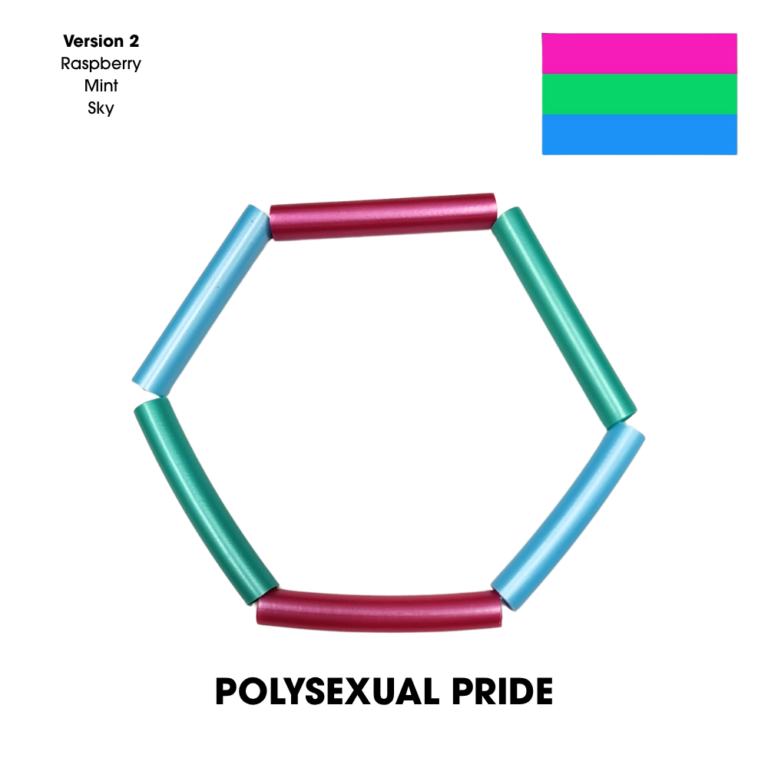
Polysexual Pride
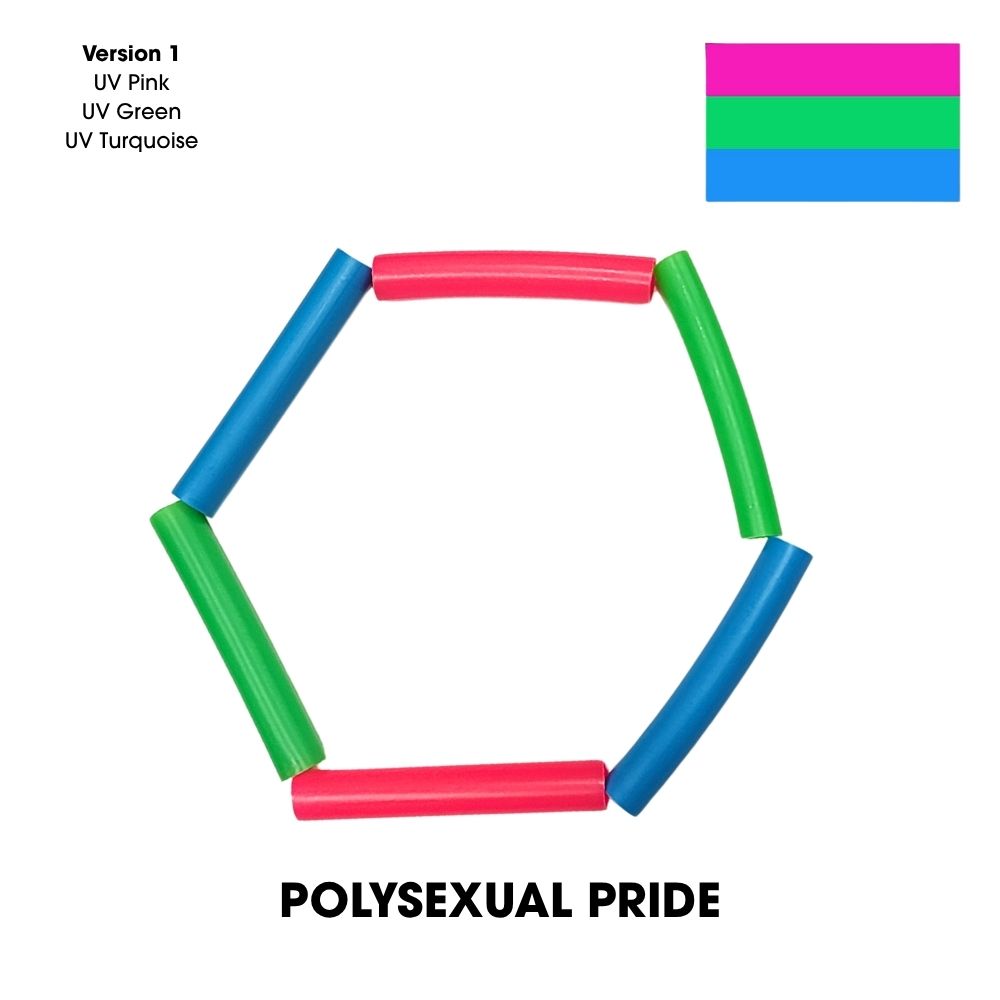
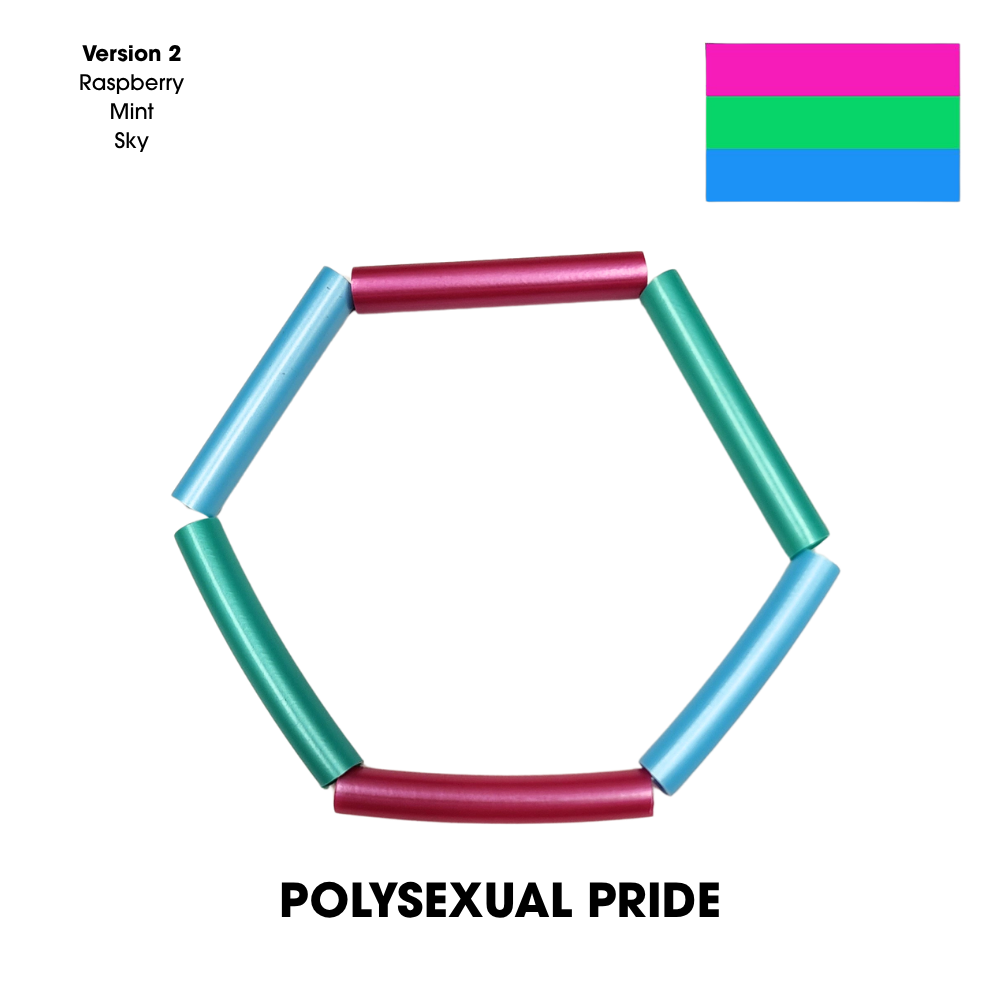
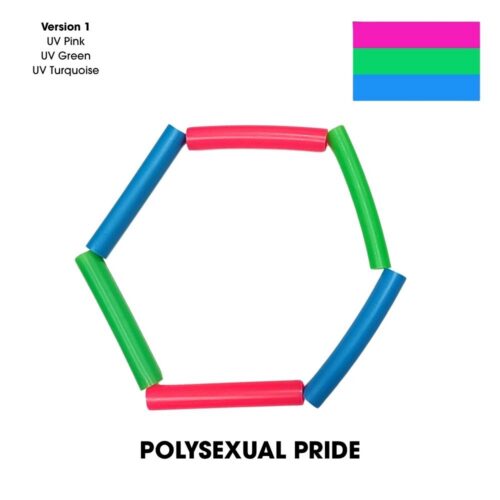
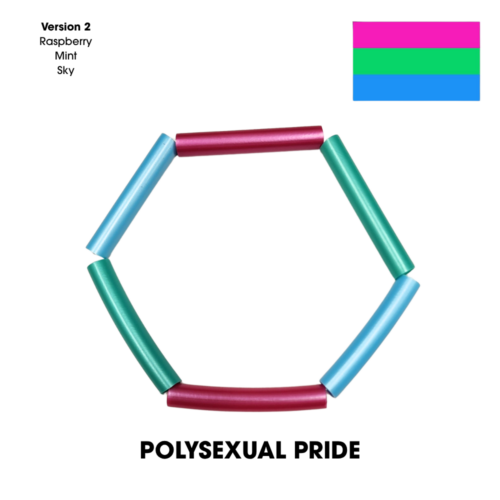
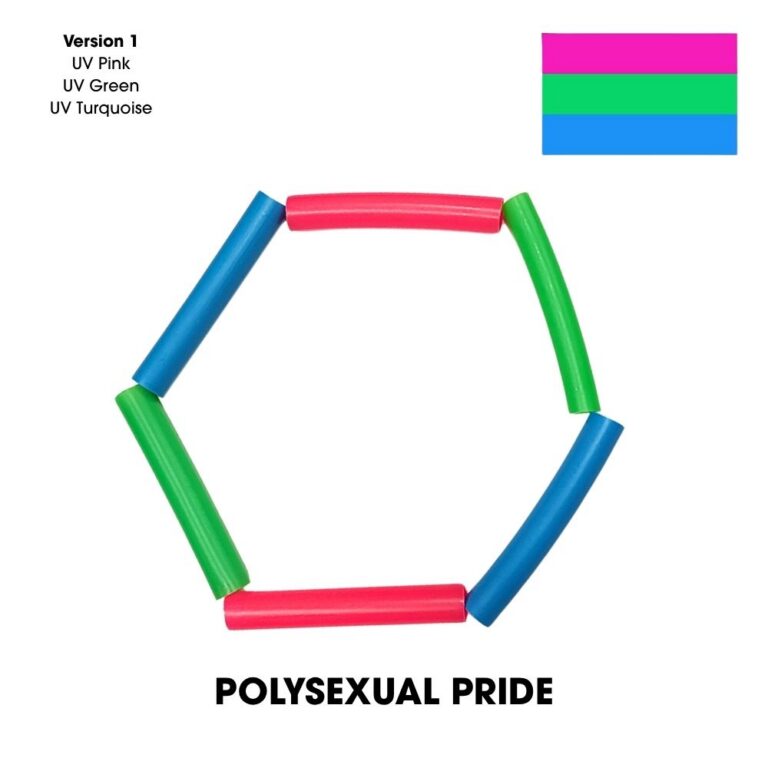
The Polysexual Pride Flag represents attraction to multiple genders, though not necessarily every gender. Its pink, green, and blue stripes celebrate a spectrum of attraction.
Queer Pride
Queer is an expansive term that may be used by people whose identities or experiences do not fit neatly within conventional categories. Multiple Queer Pride flag designs circulate.
Gender Identity and Gender Expression Flags
Gender can be experienced and expressed in many different ways. The flags in this section celebrate identities within and beyond the gender binary, offering symbols of visibility, recognition, and community.
Each design reflects a different experience of gender while honoring the freedom to understand, express, and celebrate who you are.
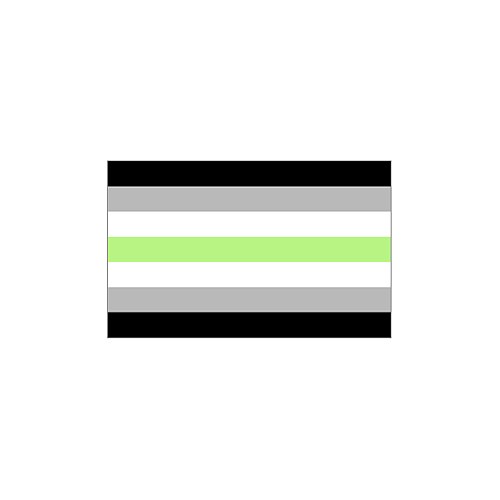
Agender Pride
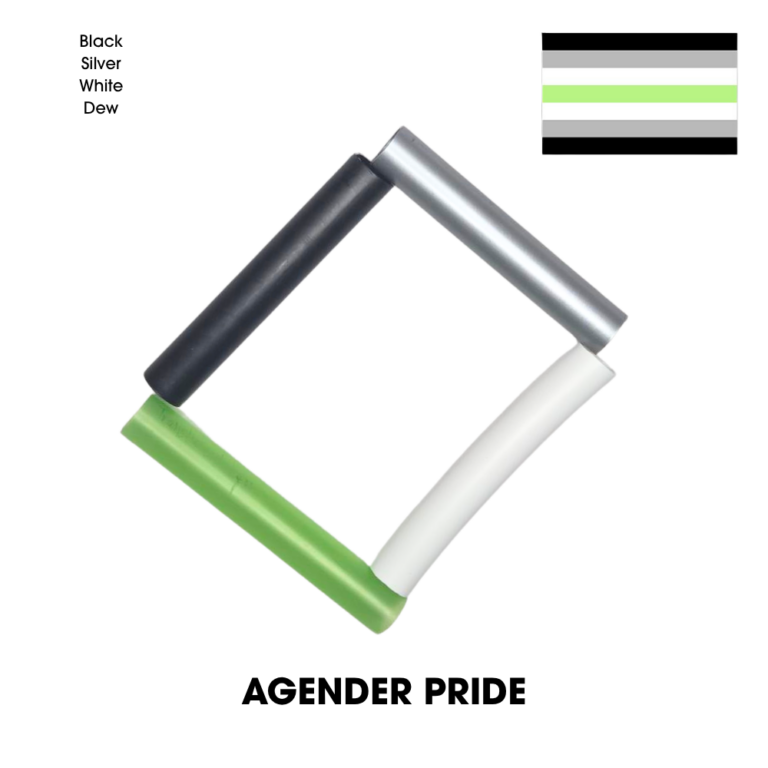
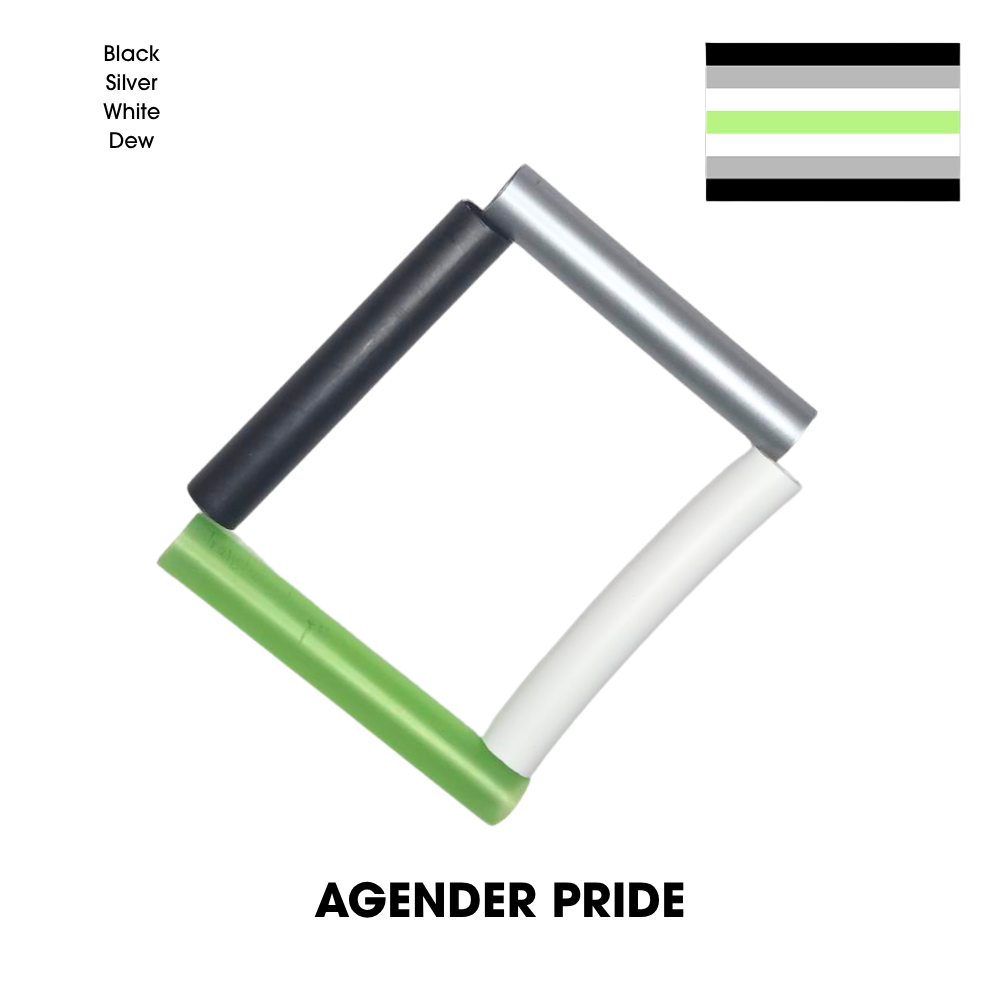
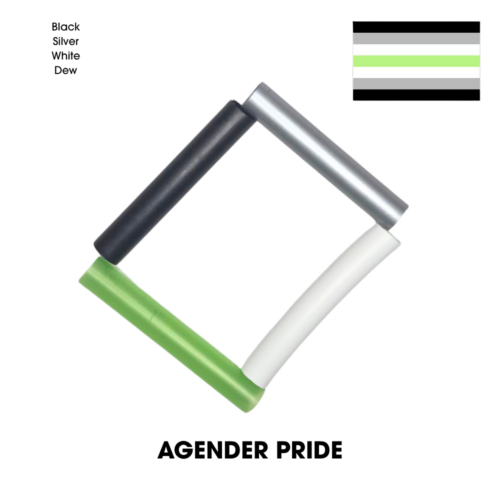
Created by Salem X in 2014, the Agender Pride Flag represents people who identify as genderless or as having no gender. Its green stripe celebrates identities beyond the gender binary.
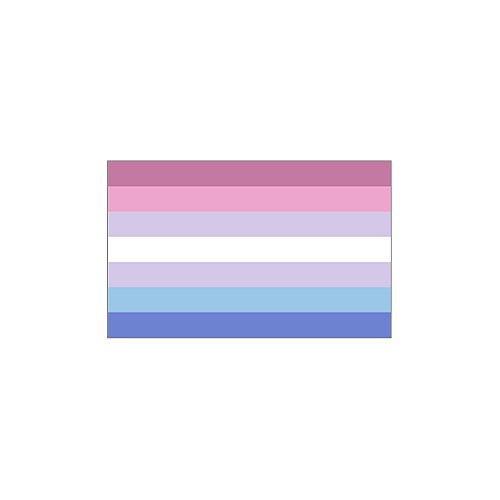
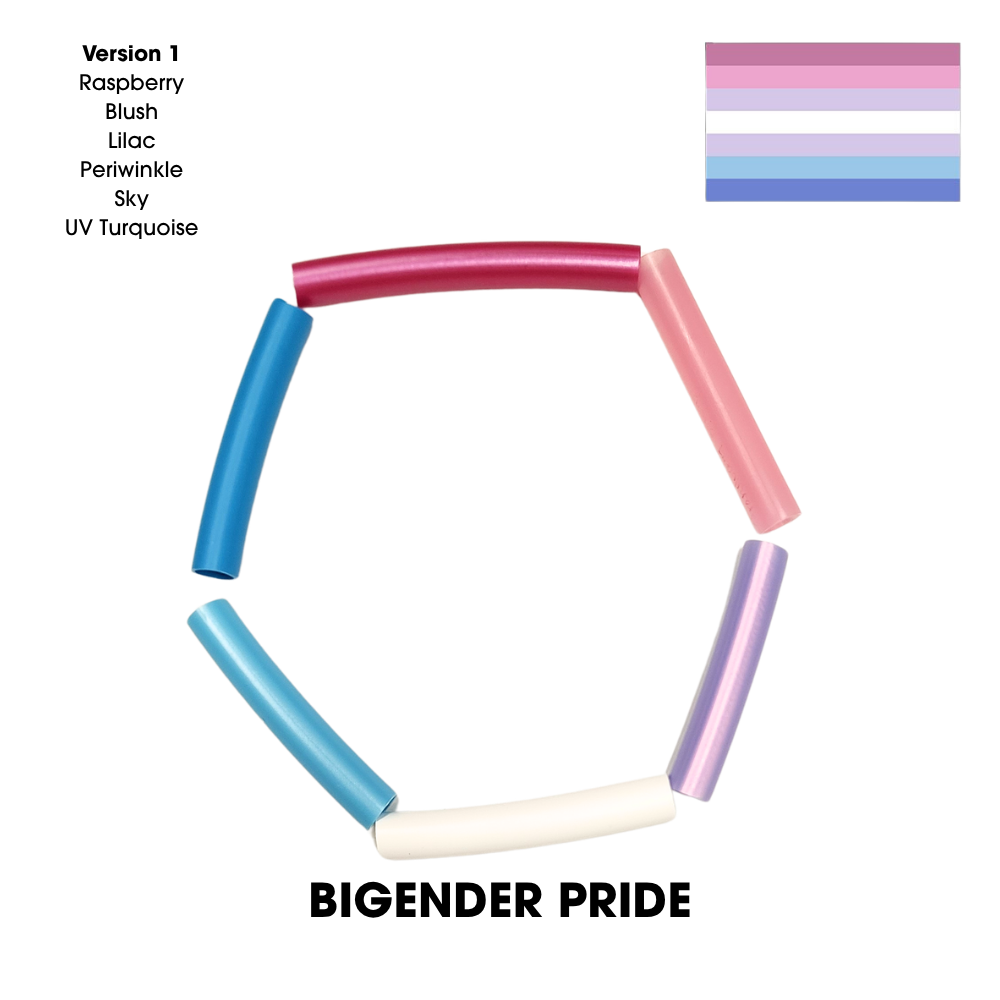
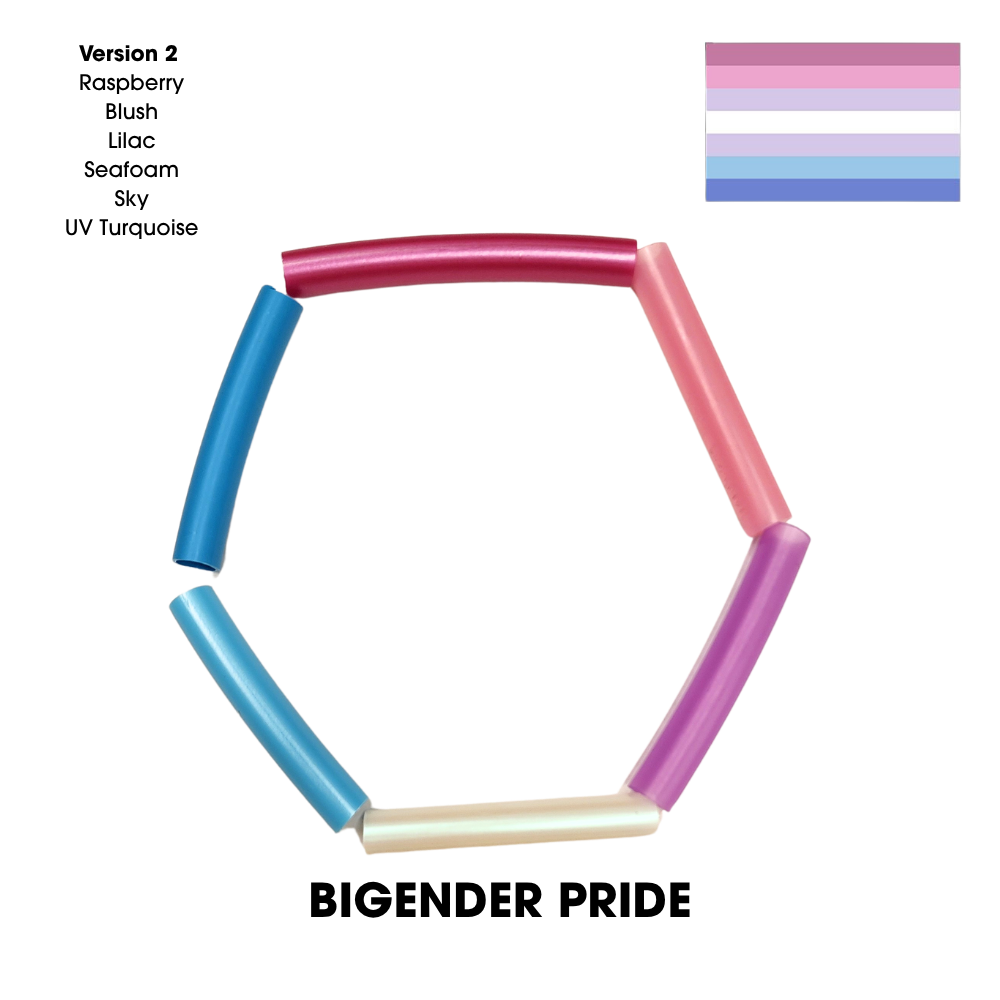
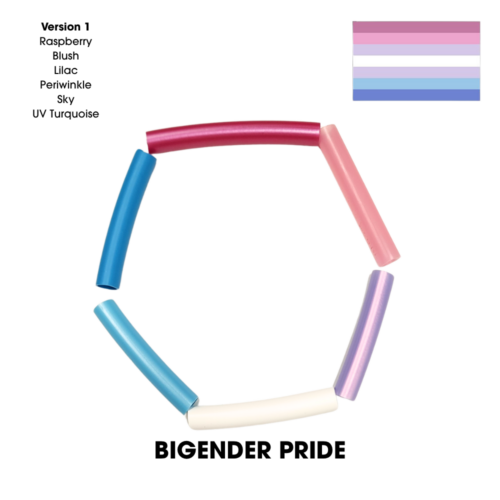
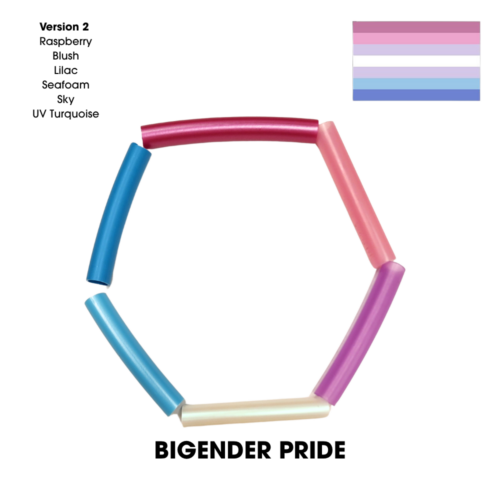
Bigender Pride
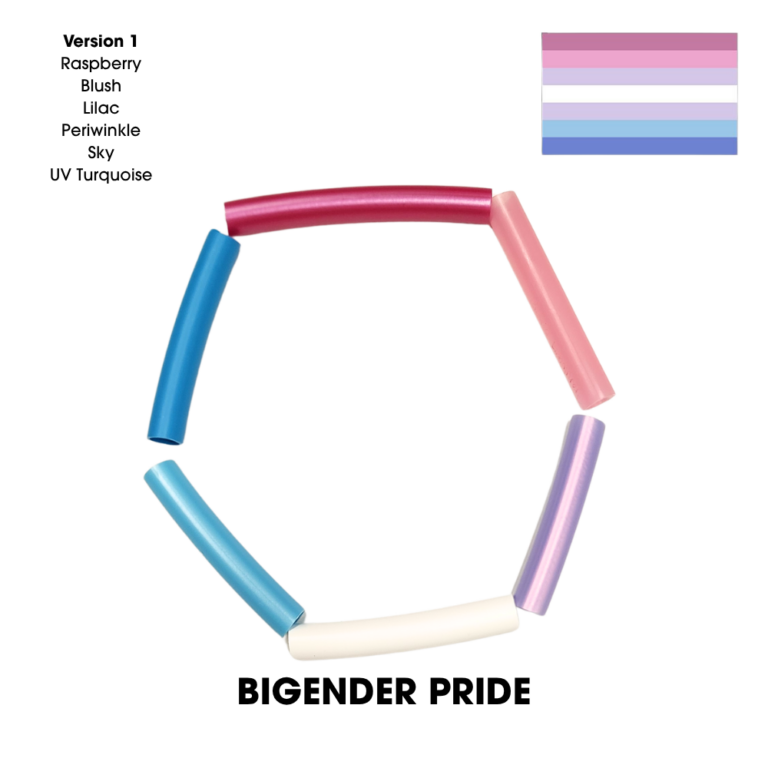
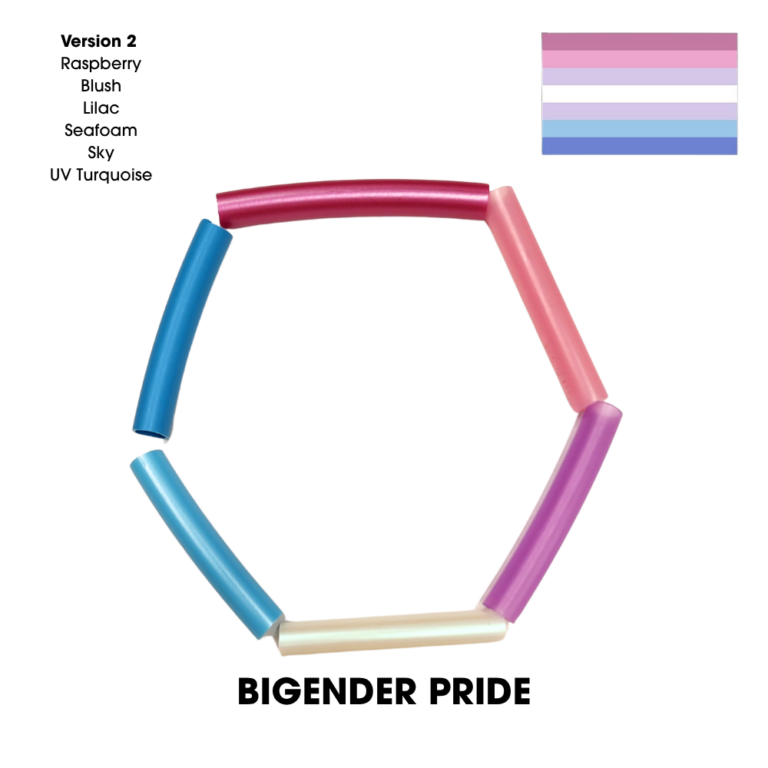
The Bigender Pride Flag represents people who identify with two genders. Several versions of the flag circulate, reflecting the grassroots evolution of the symbol.
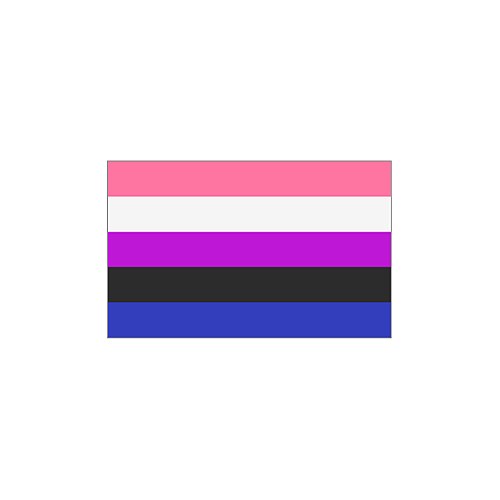
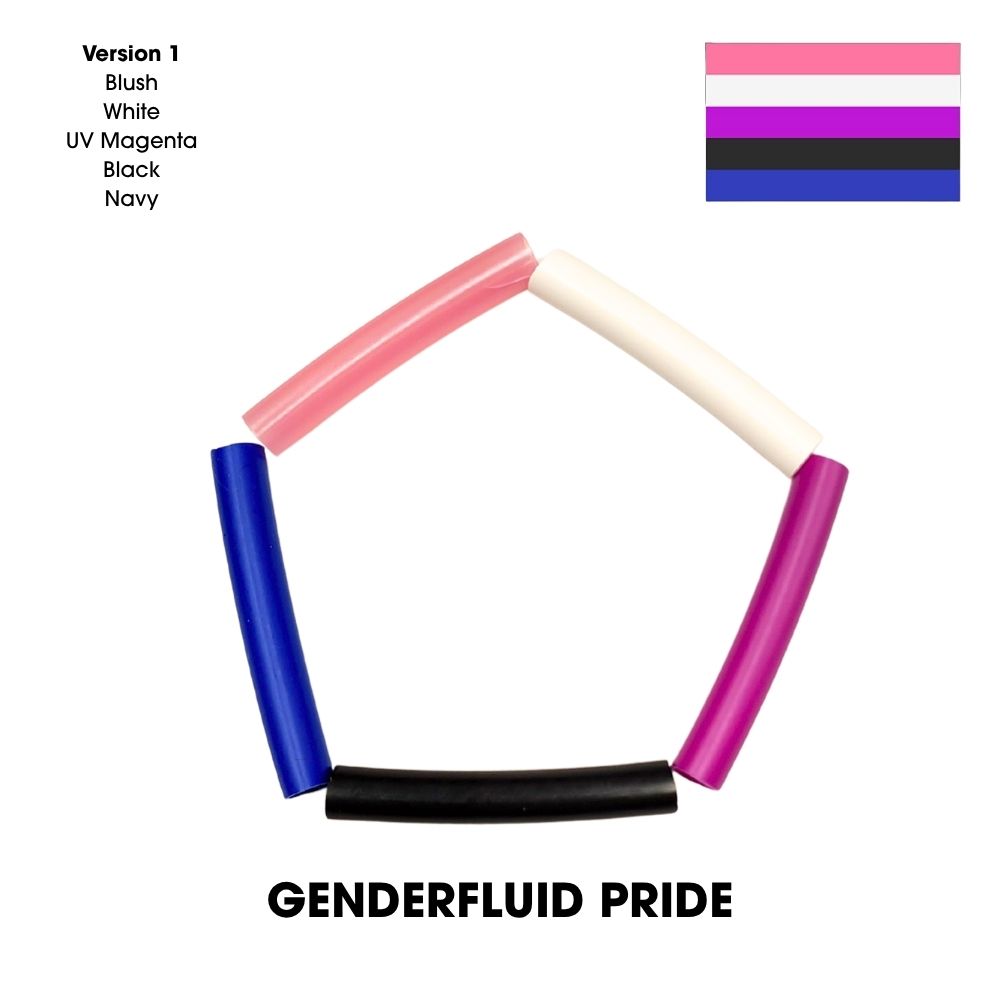
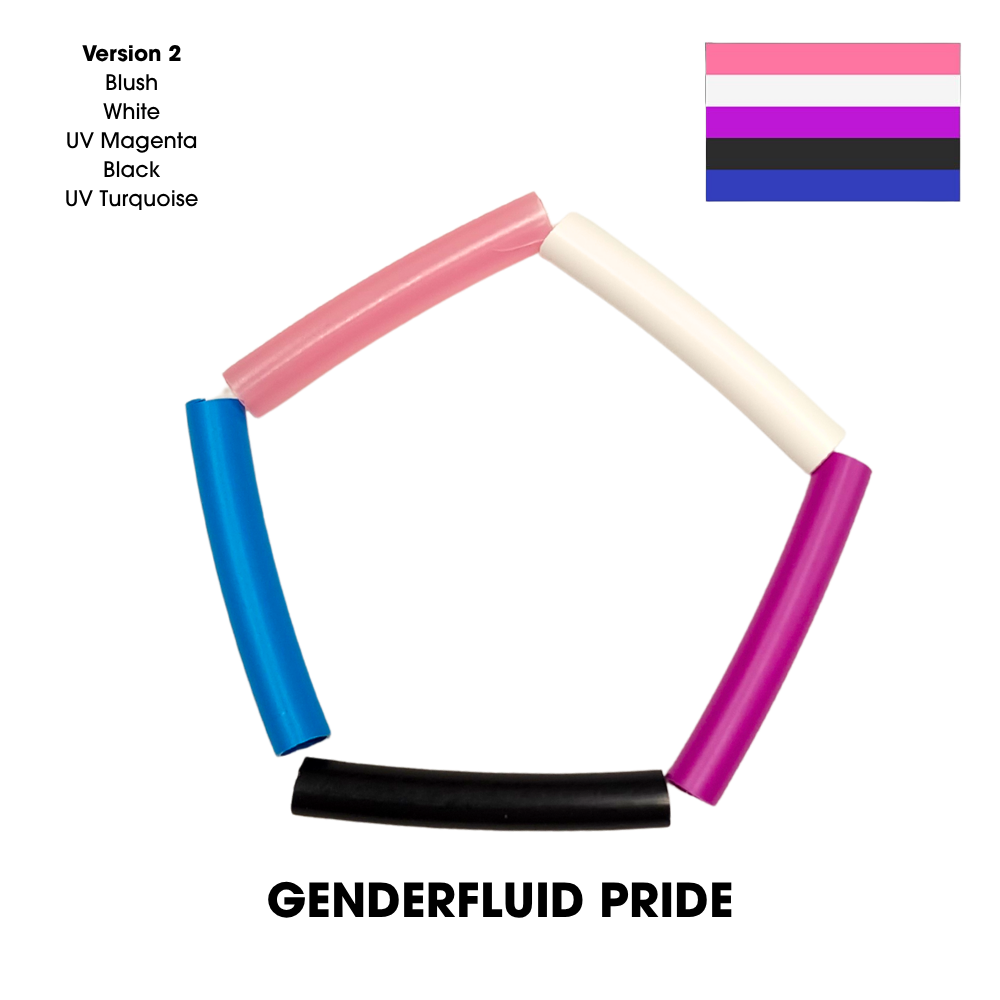
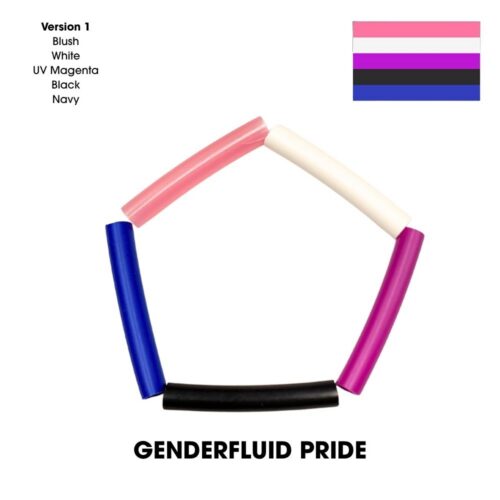
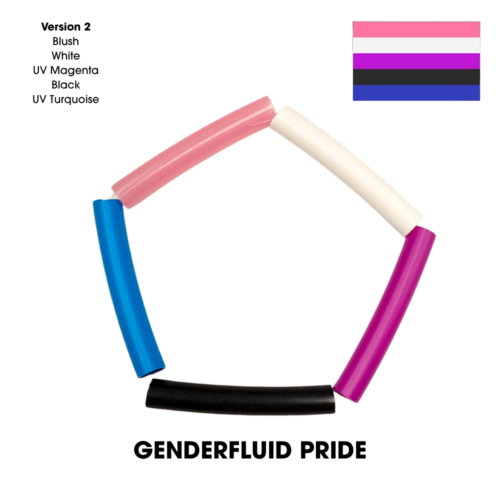
Genderfluid Pride
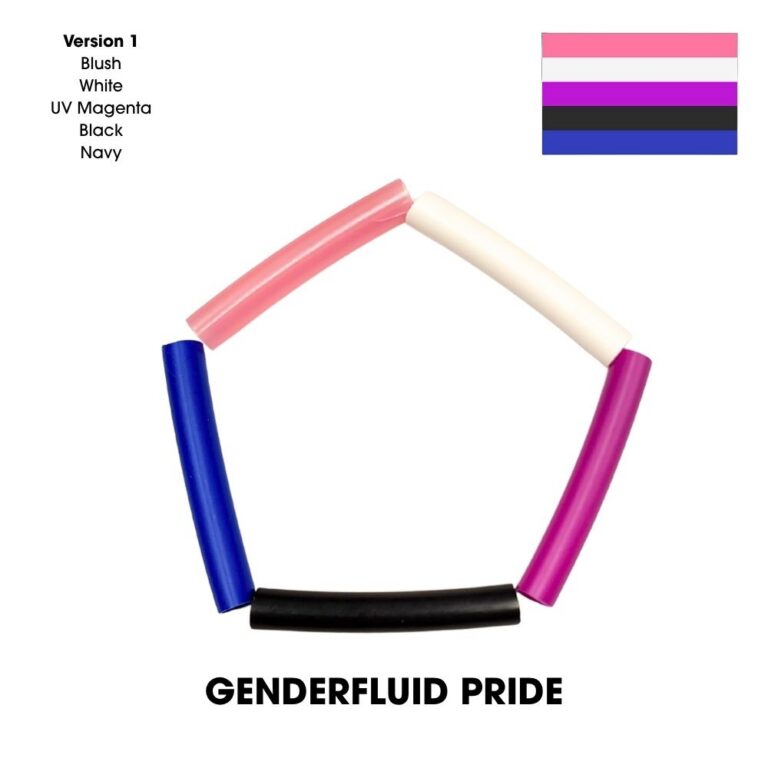
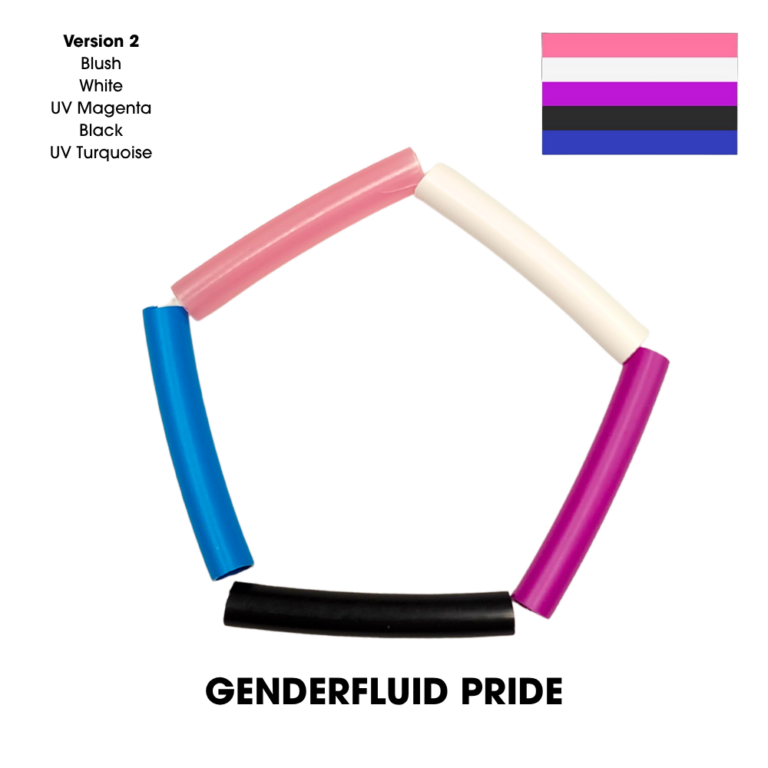
Created by JJ Poole in 2012, the Genderfluid Pride Flag represents the ways a person’s experience of gender may shift or fluctuate over time.
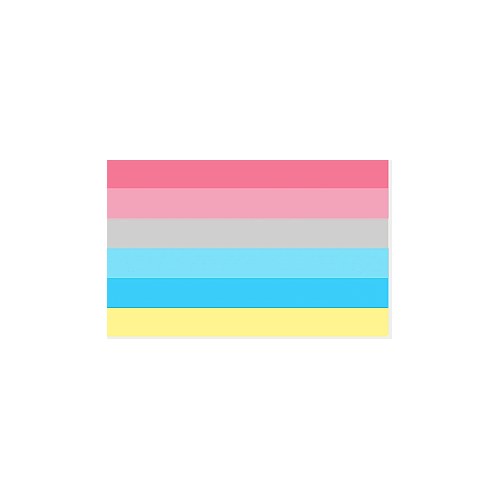
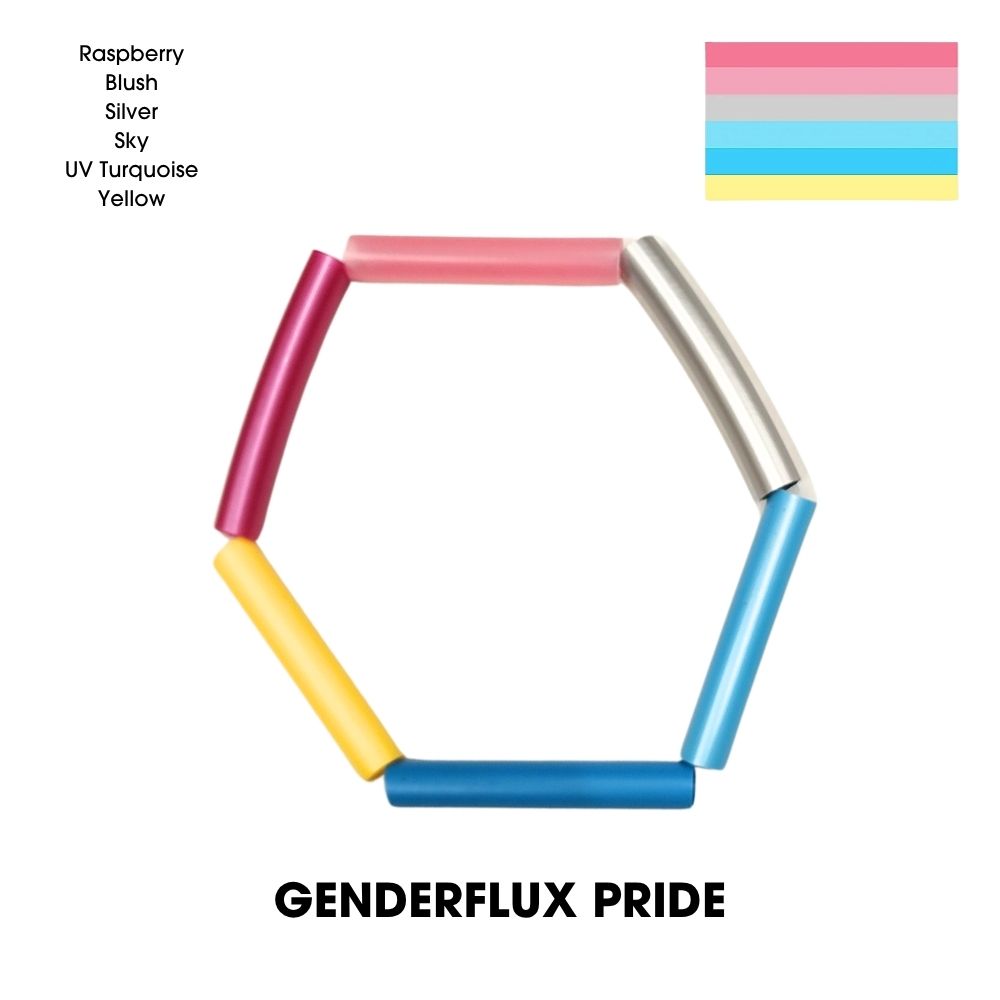
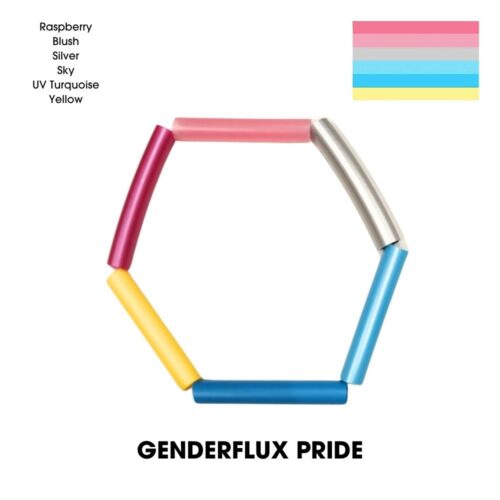
Genderflux Pride
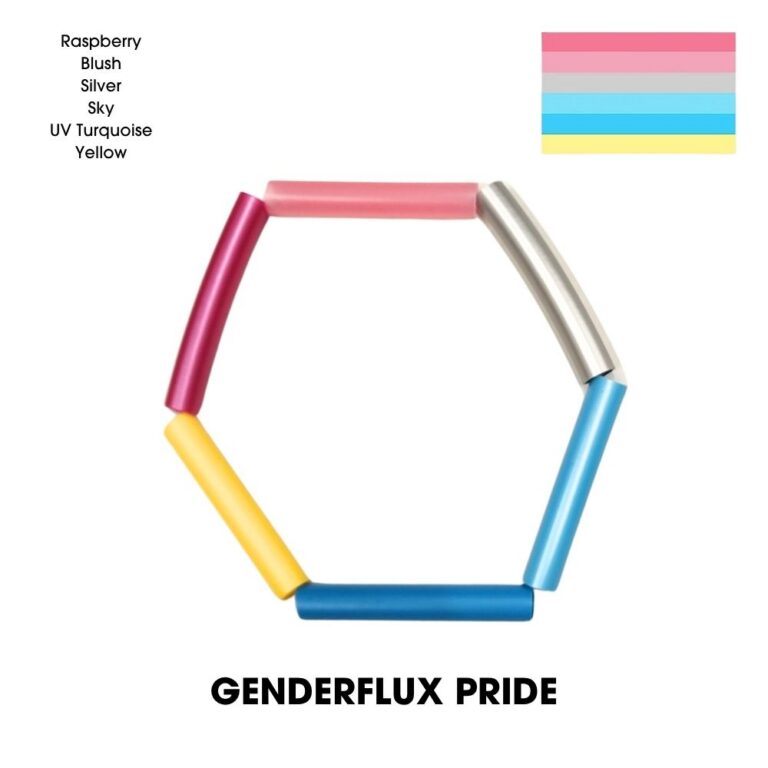
The Genderflux Pride Flag represents experiences in which the intensity of gender can shift over time. It is related to, but distinct from, genderfluidity.
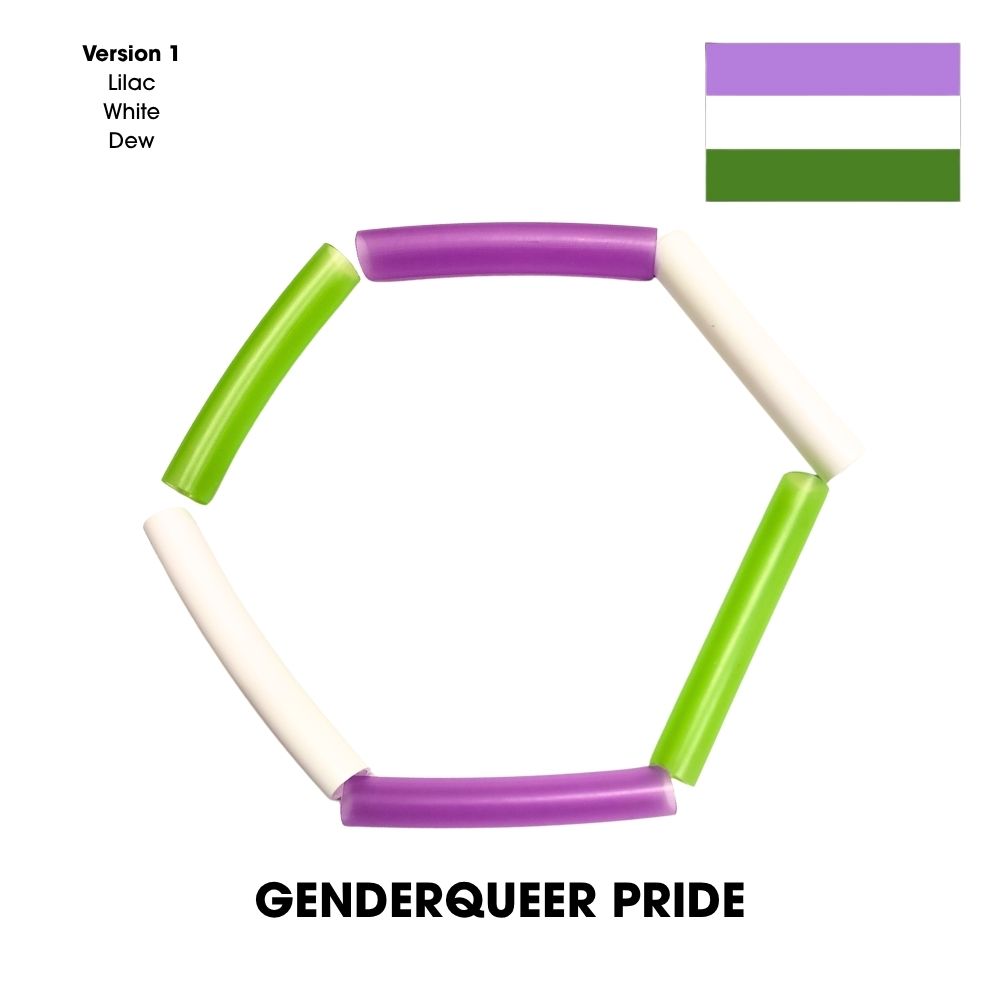
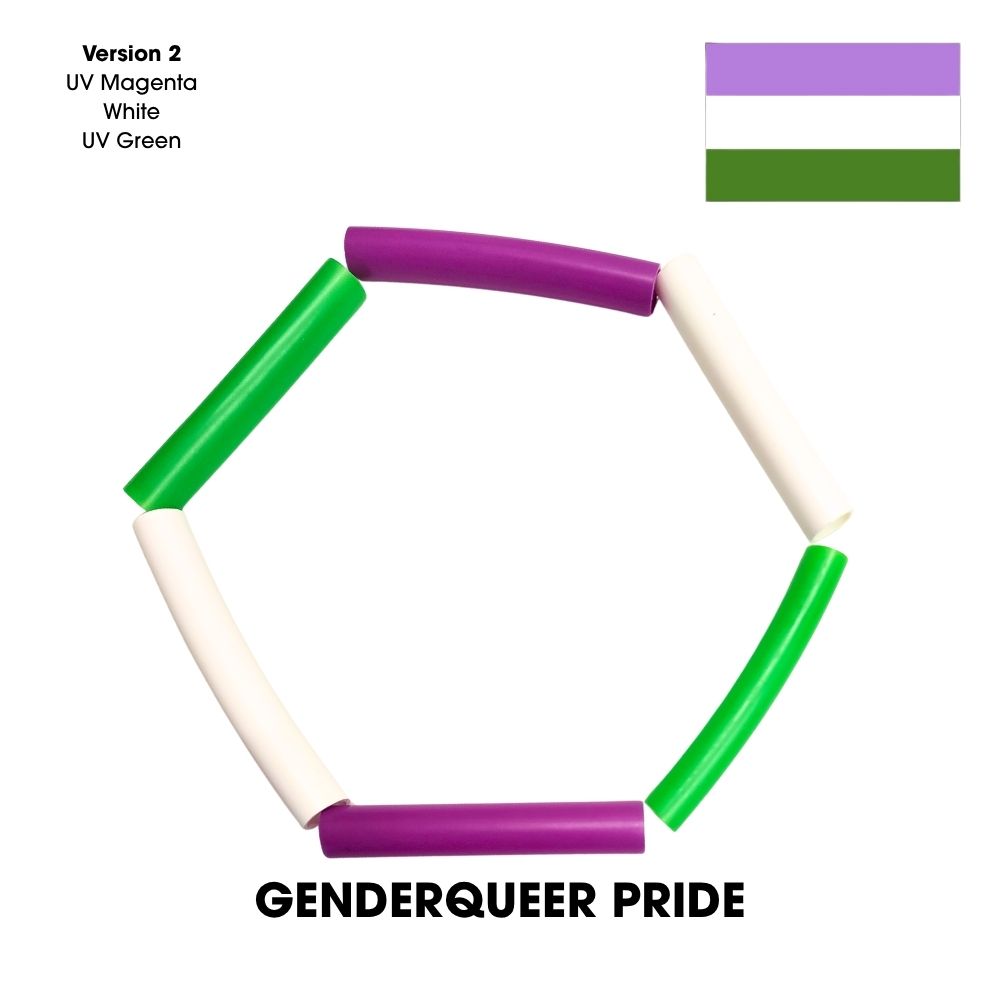
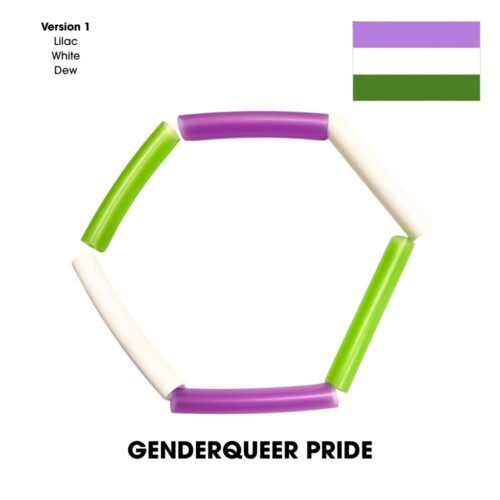
Genderqueer Pride
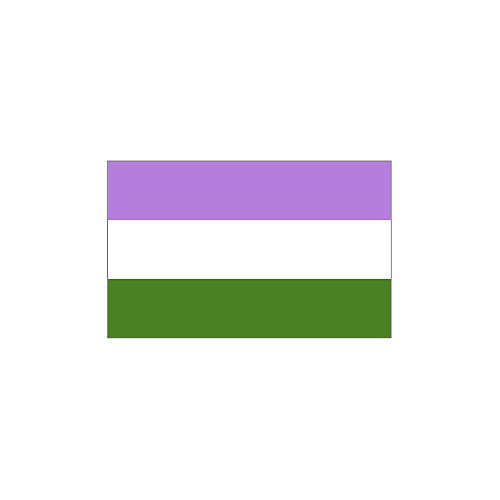
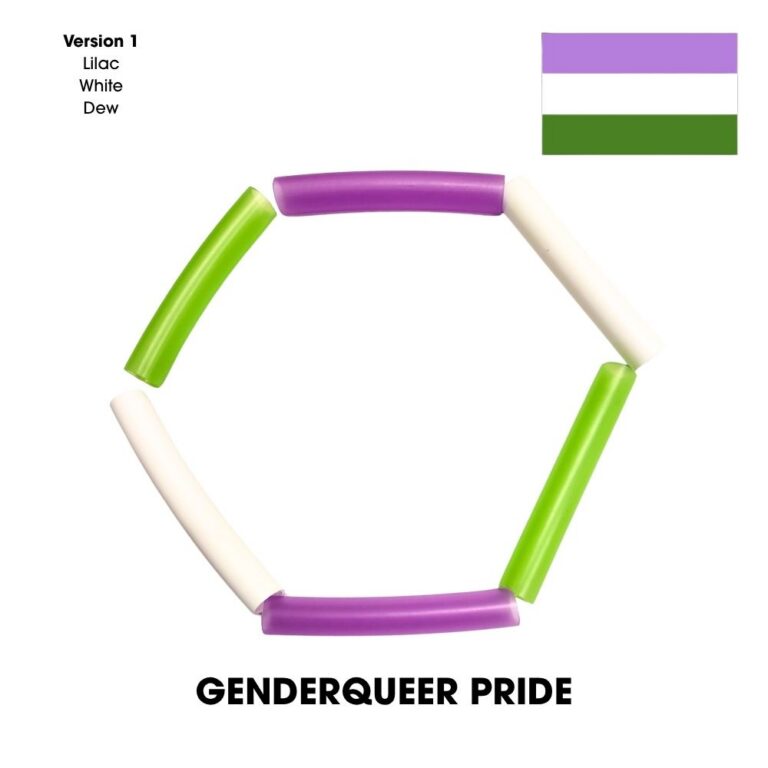
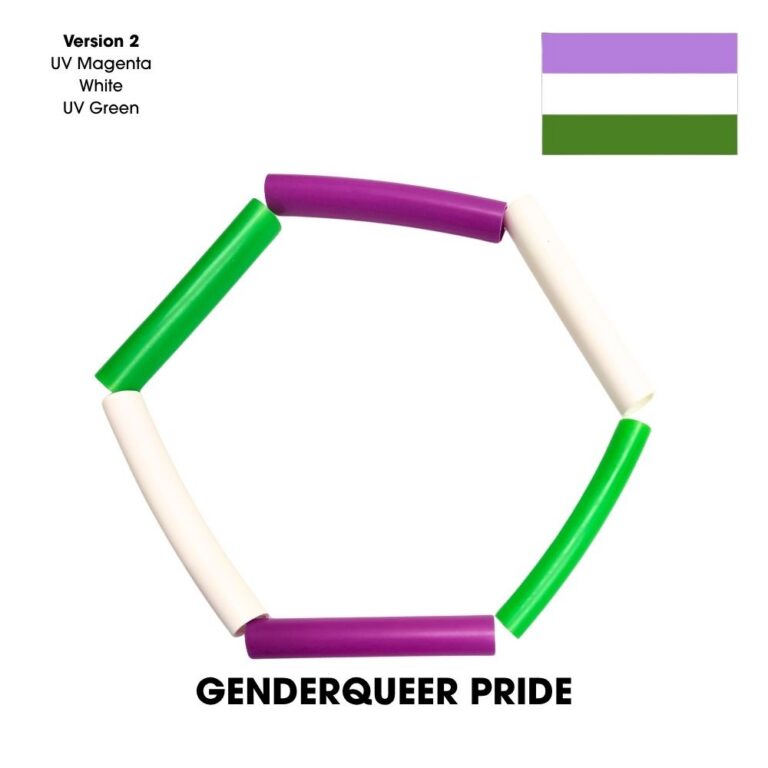
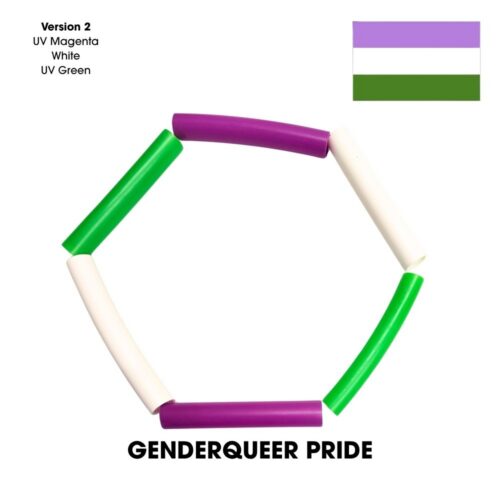
Designed by Marilyn Roxie in 2011, the Genderqueer Pride Flag represents identities outside conventional gender expectations. Lavender, white, and green celebrate androgyny, the agender spectrum, and identities beyond the binary.
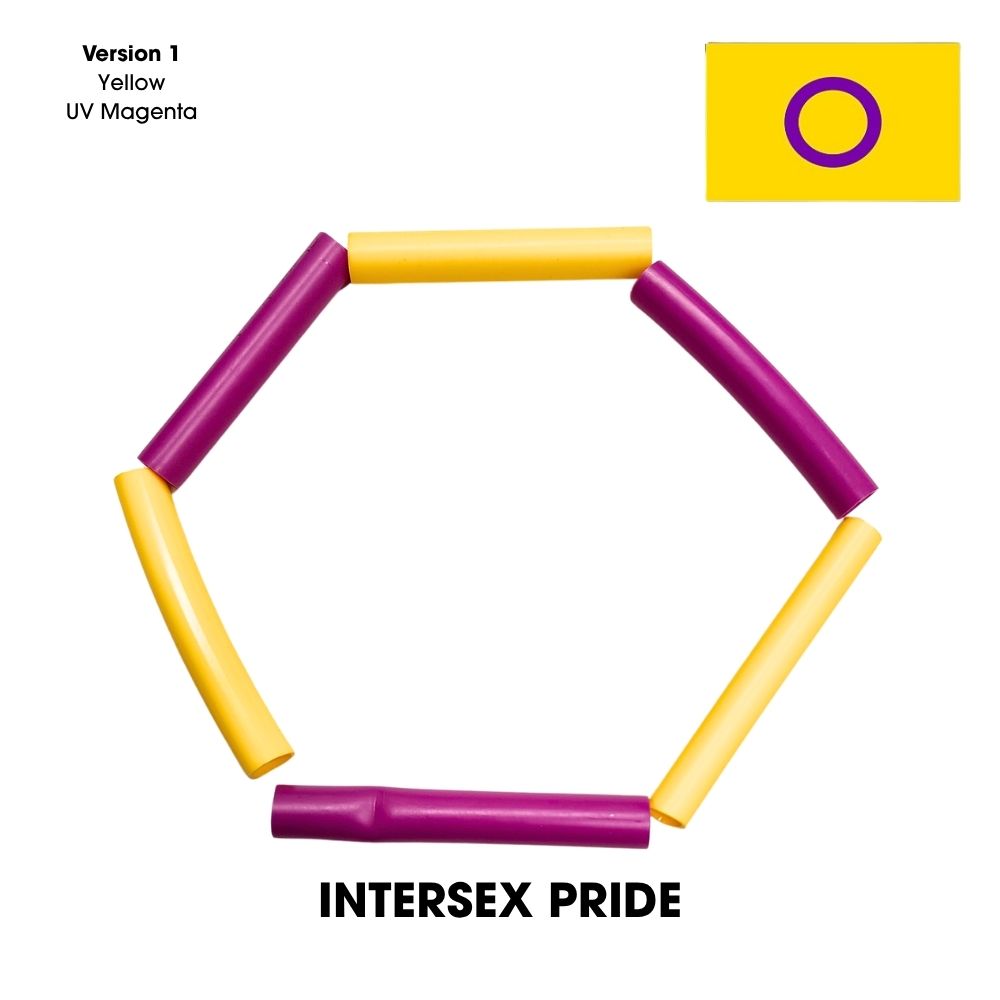
Intersex Pride
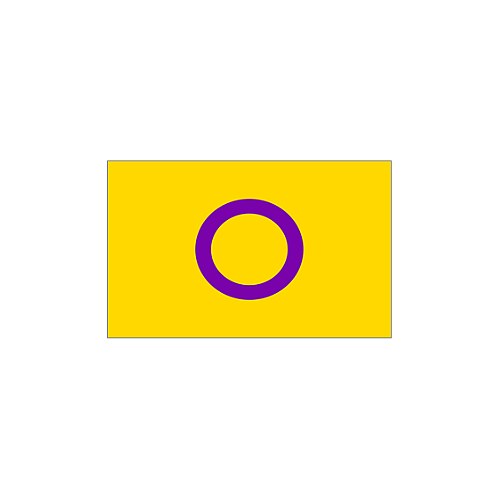
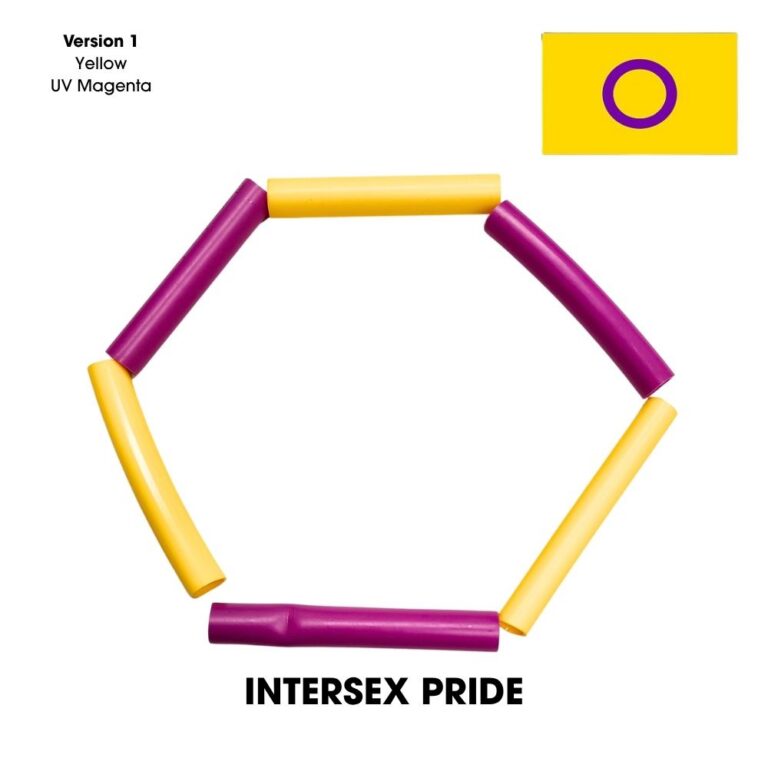
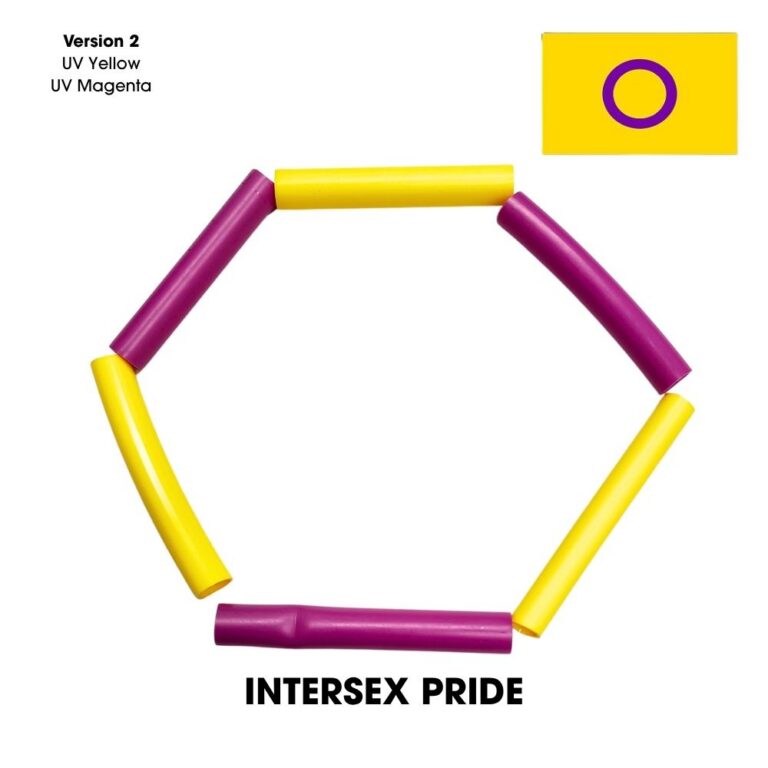
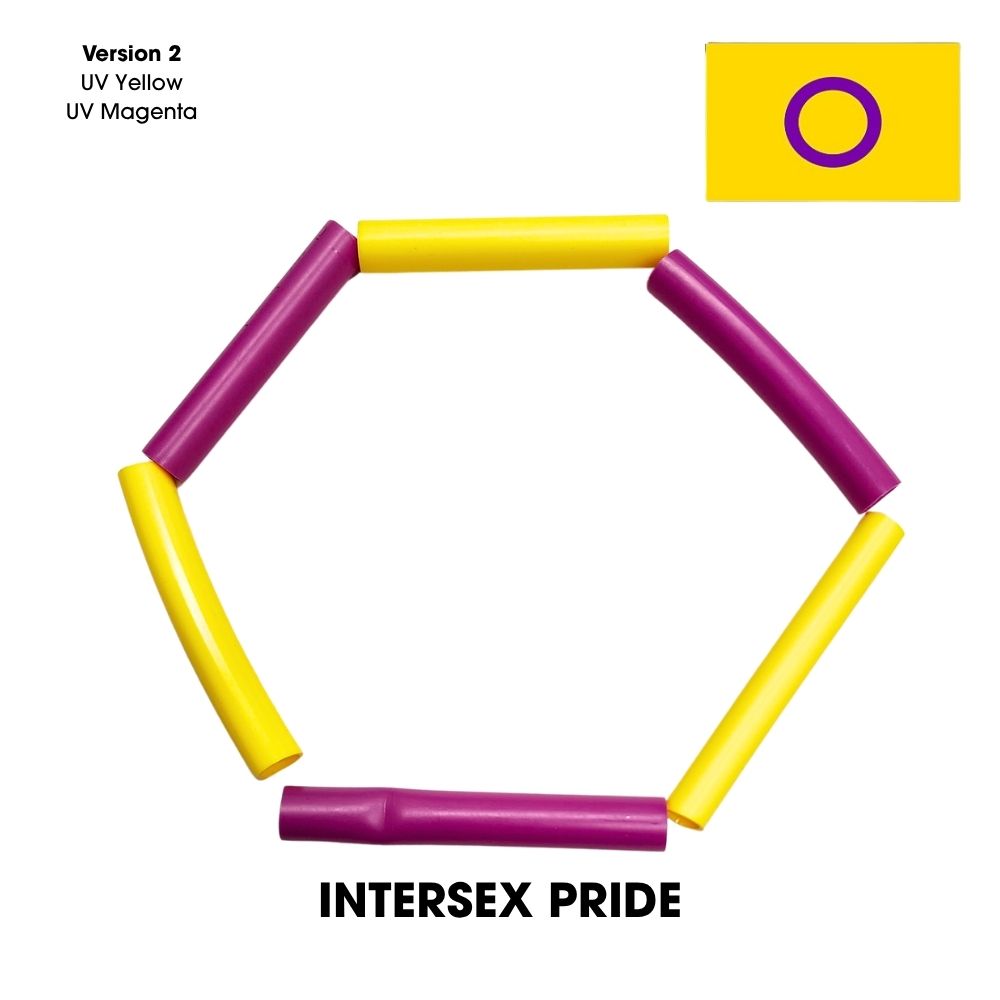
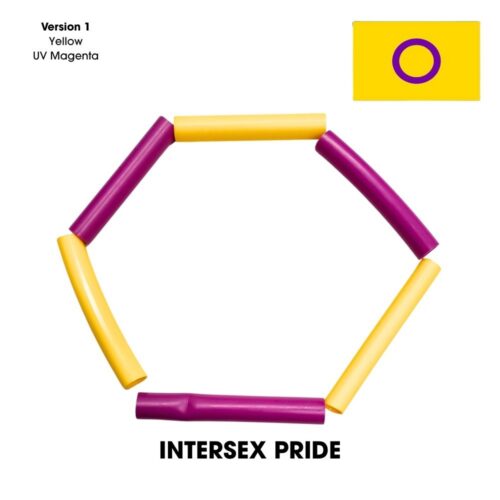
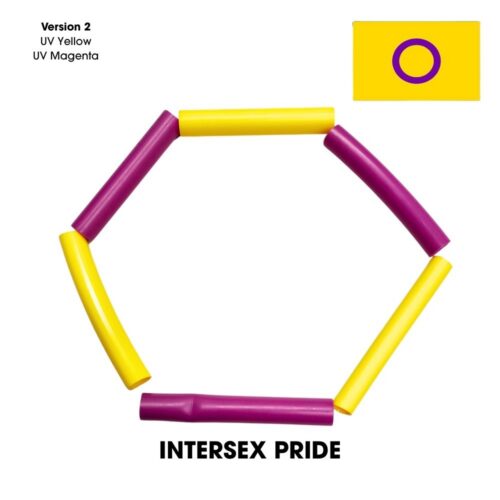
Created by Morgan Carpenter in 2013, the Intersex Pride Flag uses a purple circle on a yellow field to symbolize wholeness, autonomy, integrity, and freedom from gendered expectations.
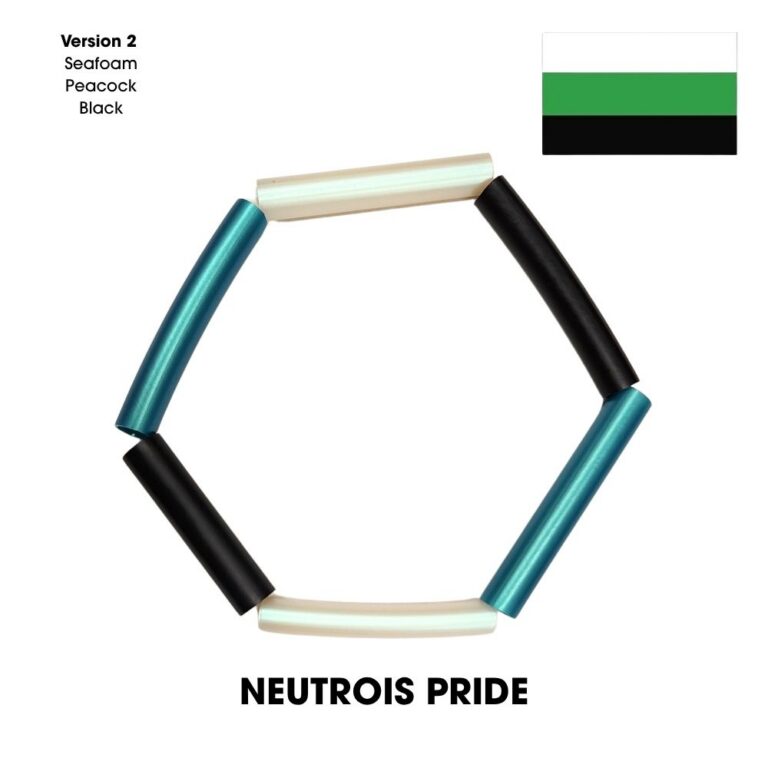
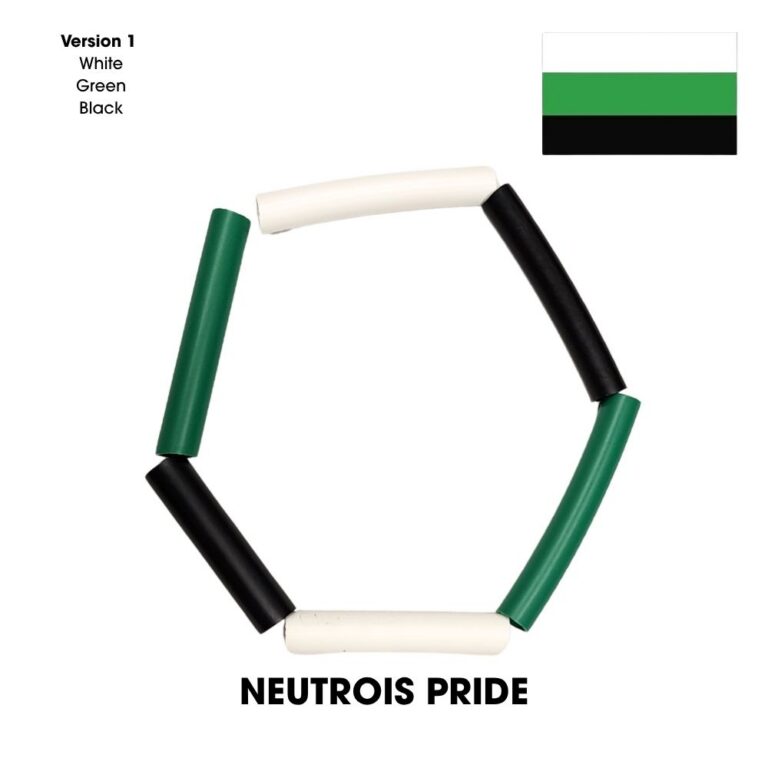
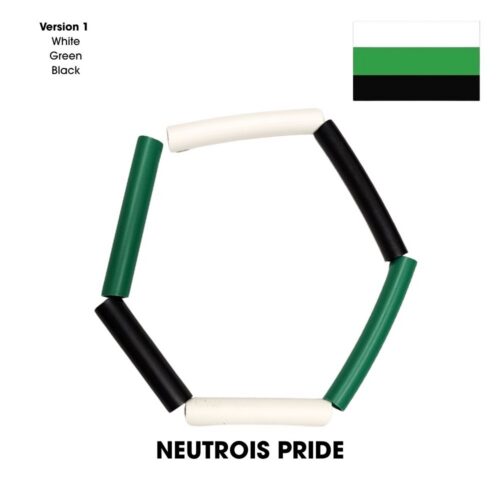
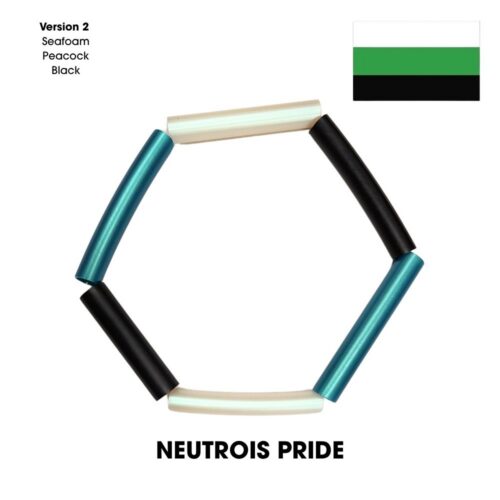
Neutrois Pride
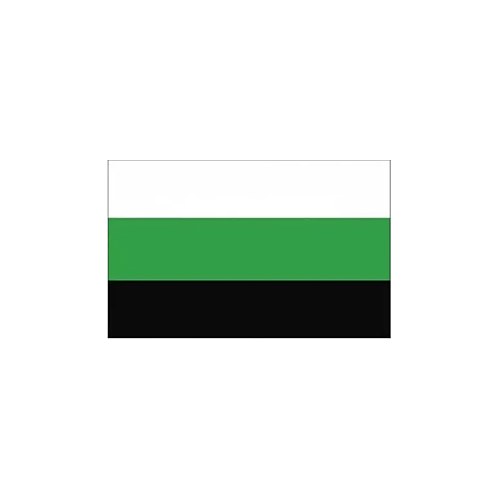
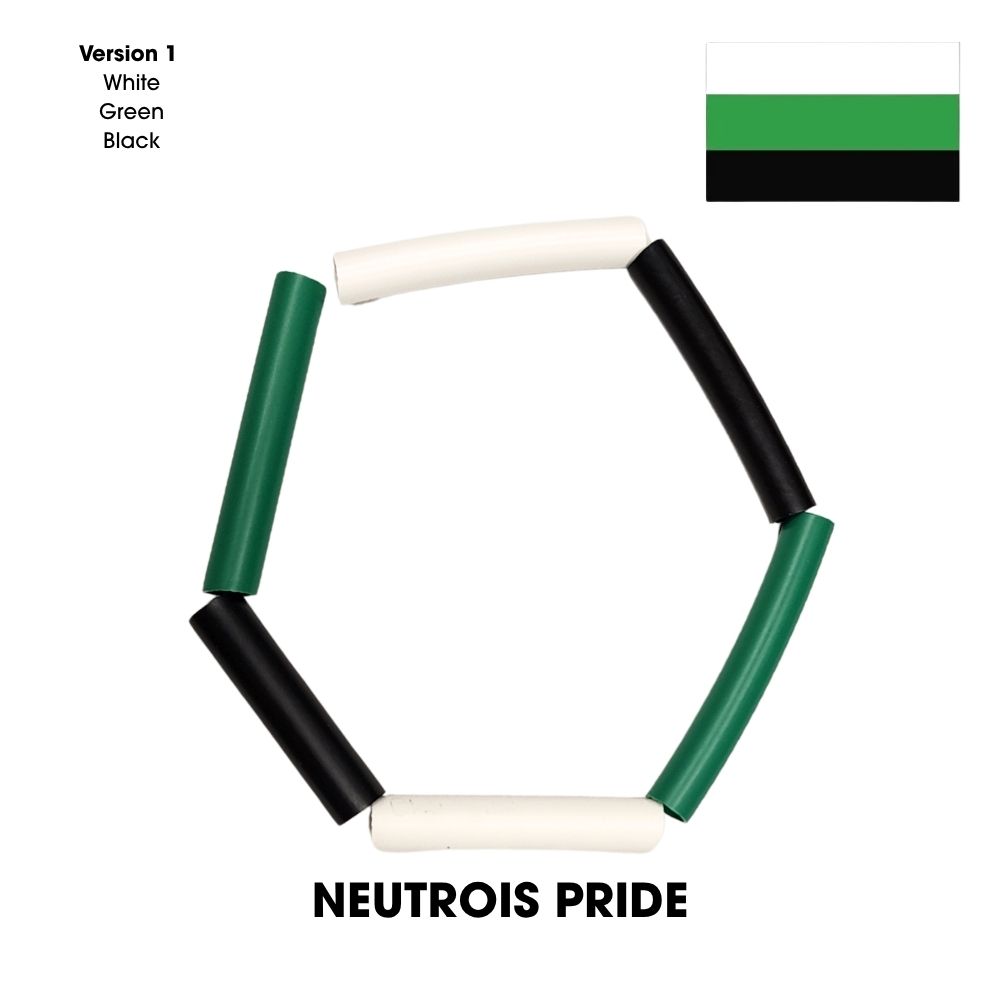
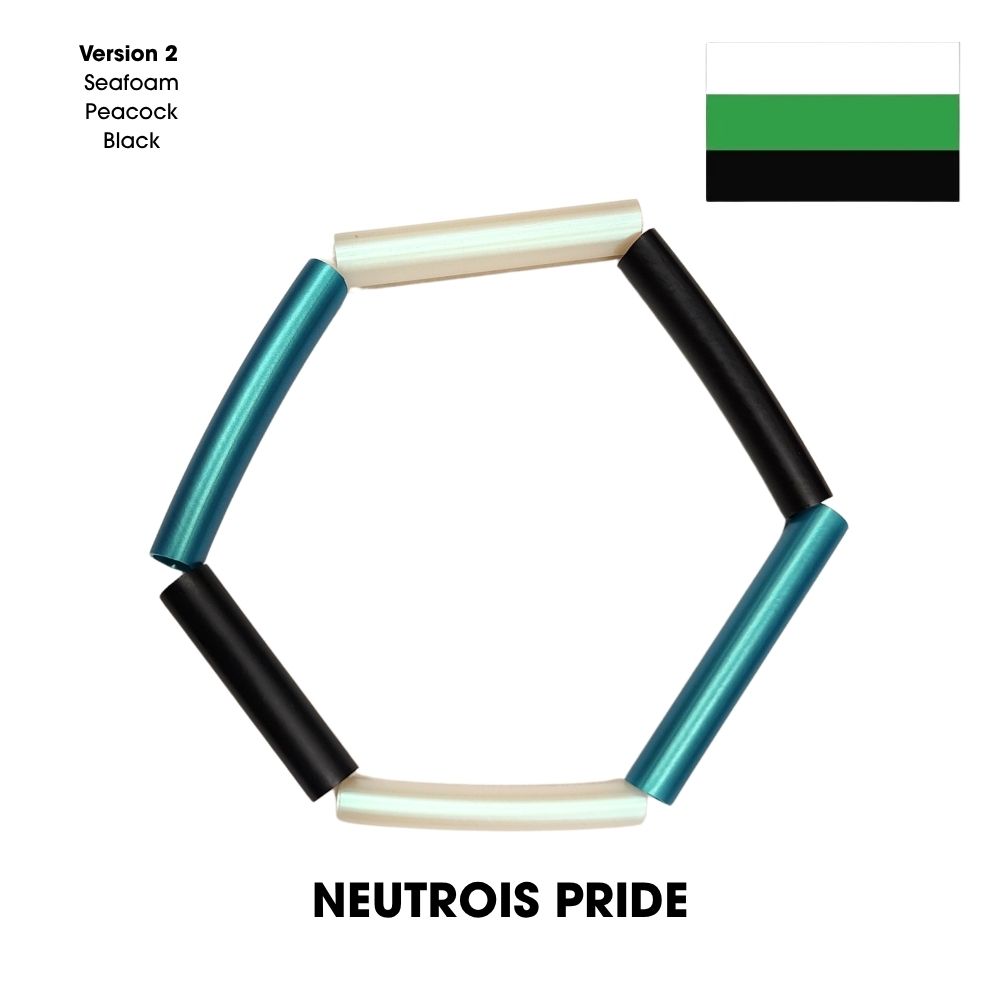
The Neutrois Pride Flag represents neutral, null, or genderless experiences and the desire to move beyond conventional gender categories.
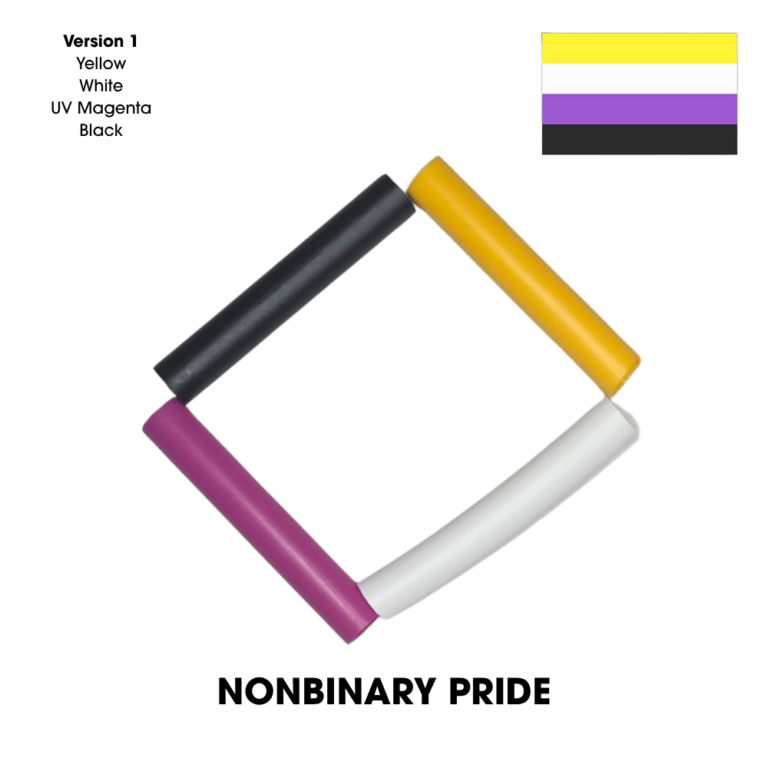
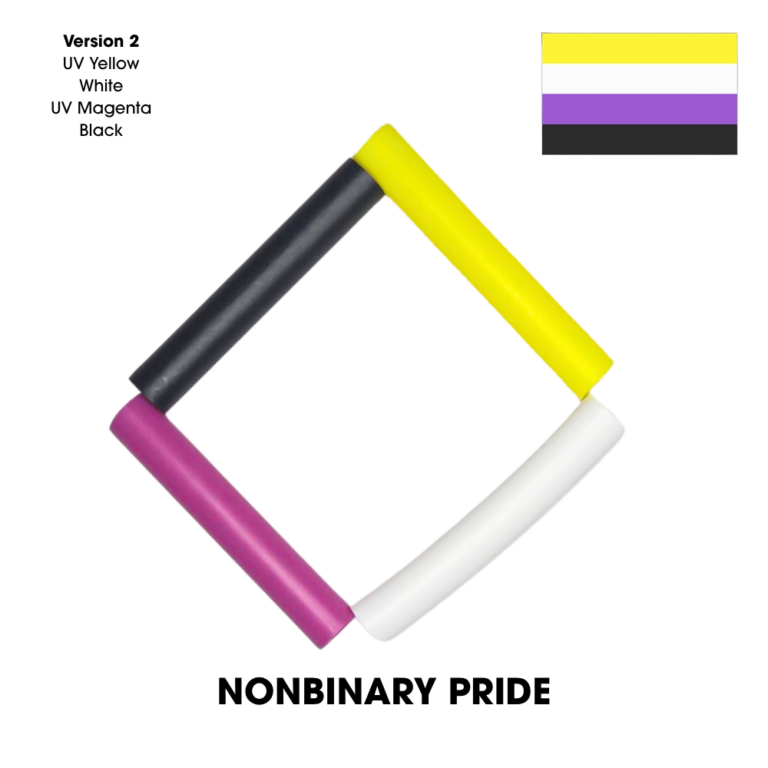
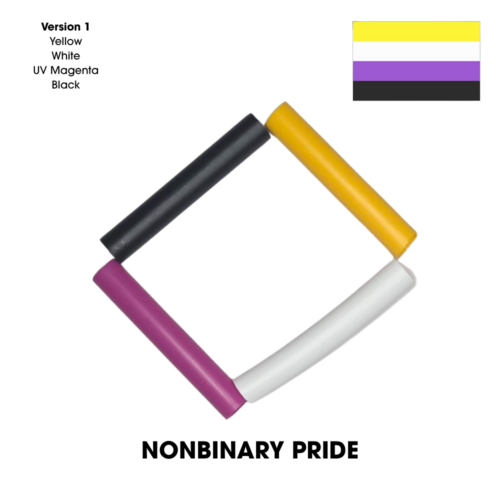
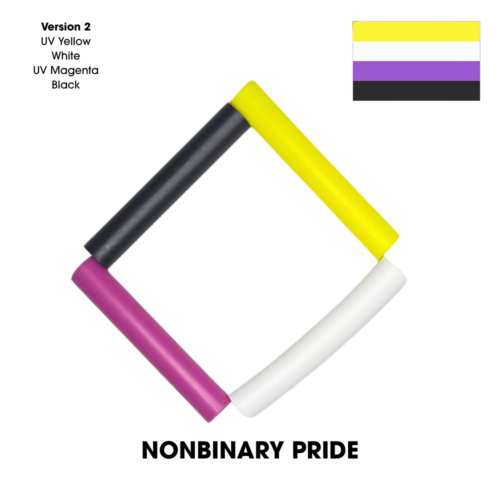
Nonbinary Pride
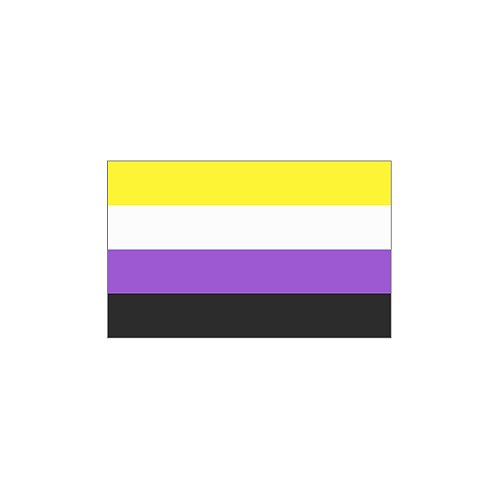
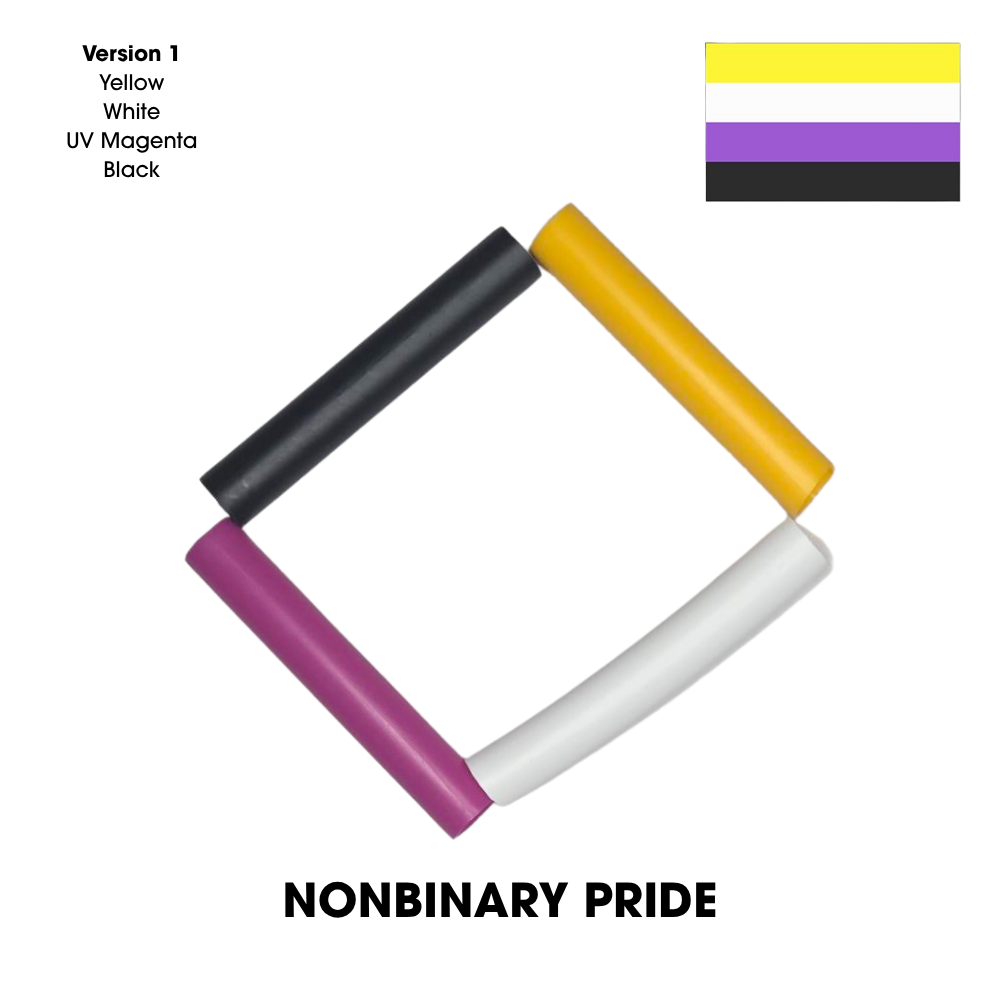
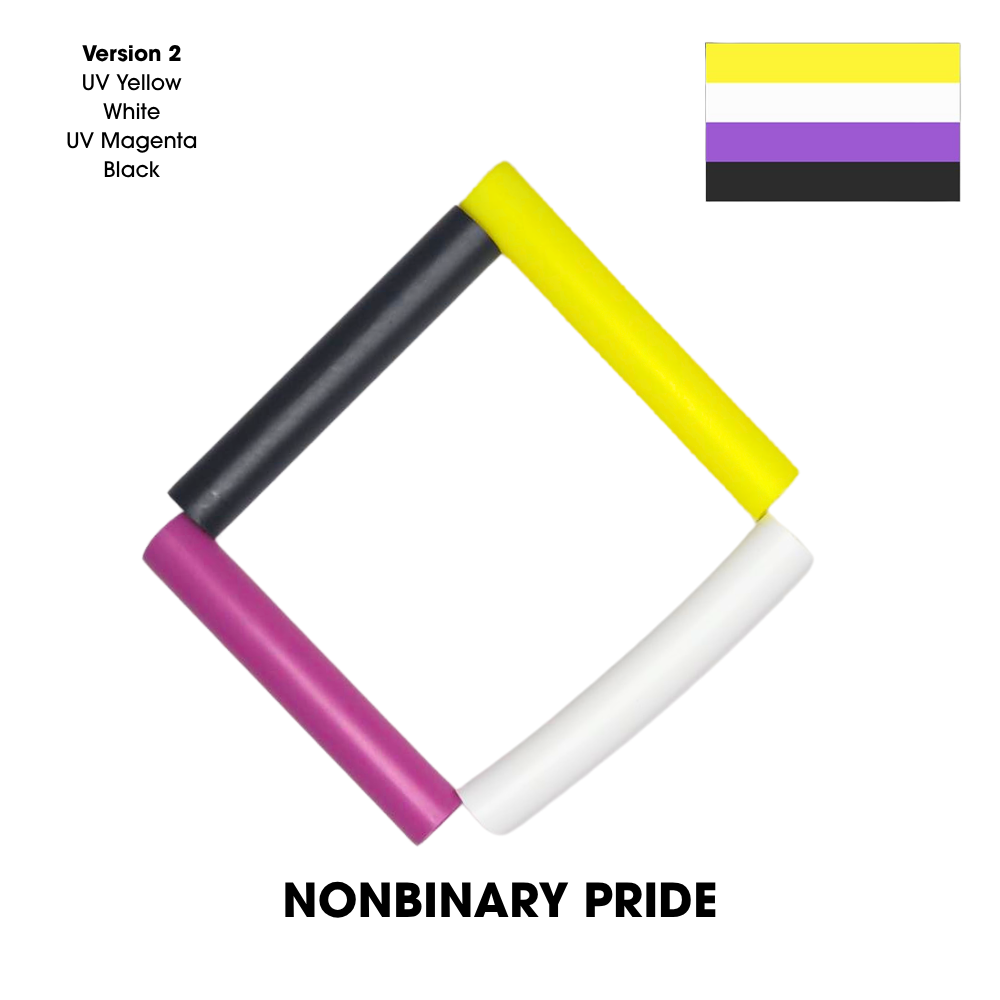
Created by Kye Rowan in 2014, the Nonbinary Pride Flag celebrates identities beyond an exclusively male-or-female binary. Its colors represent experiences outside, between, across, or without gender.
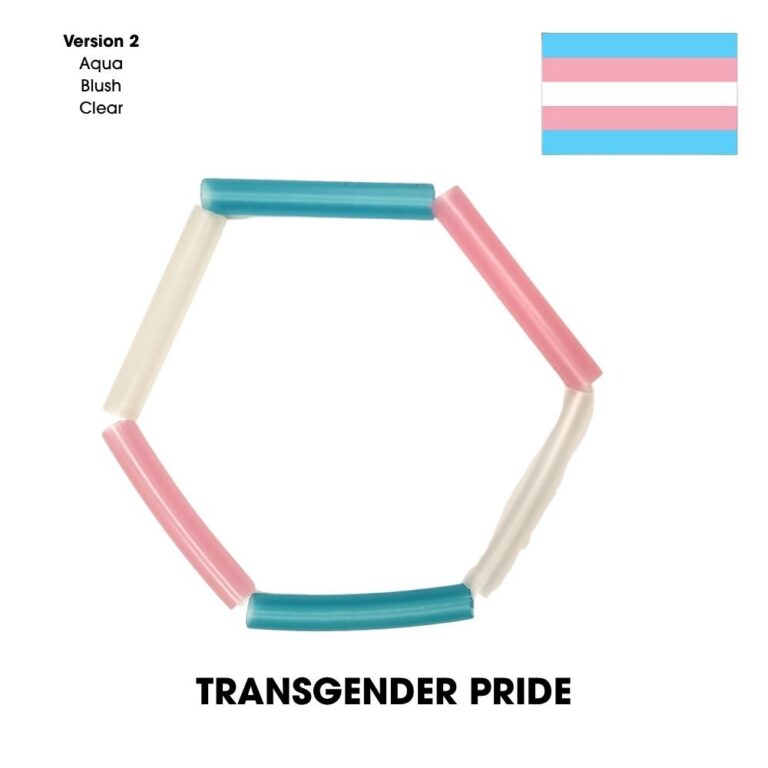
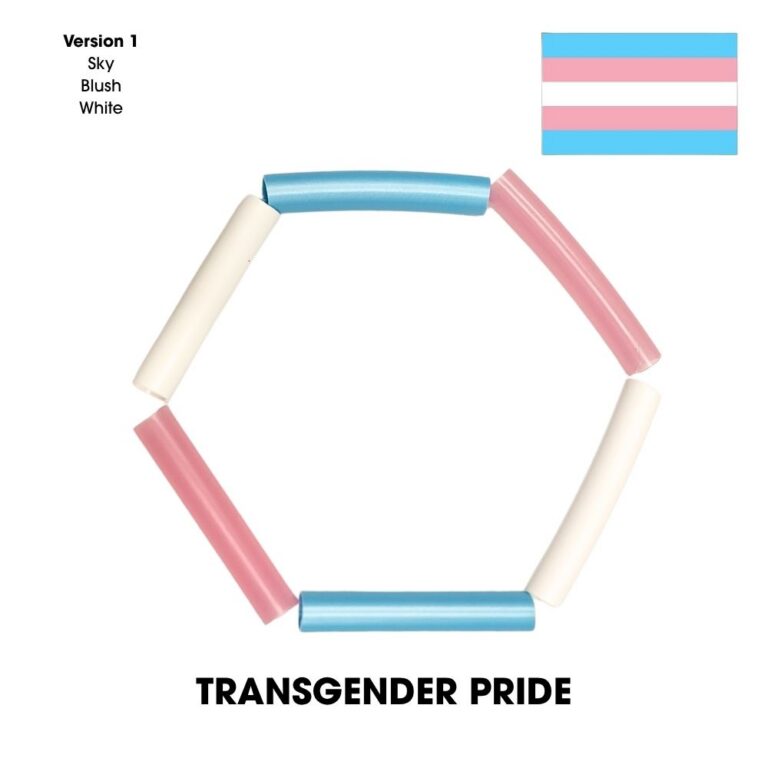
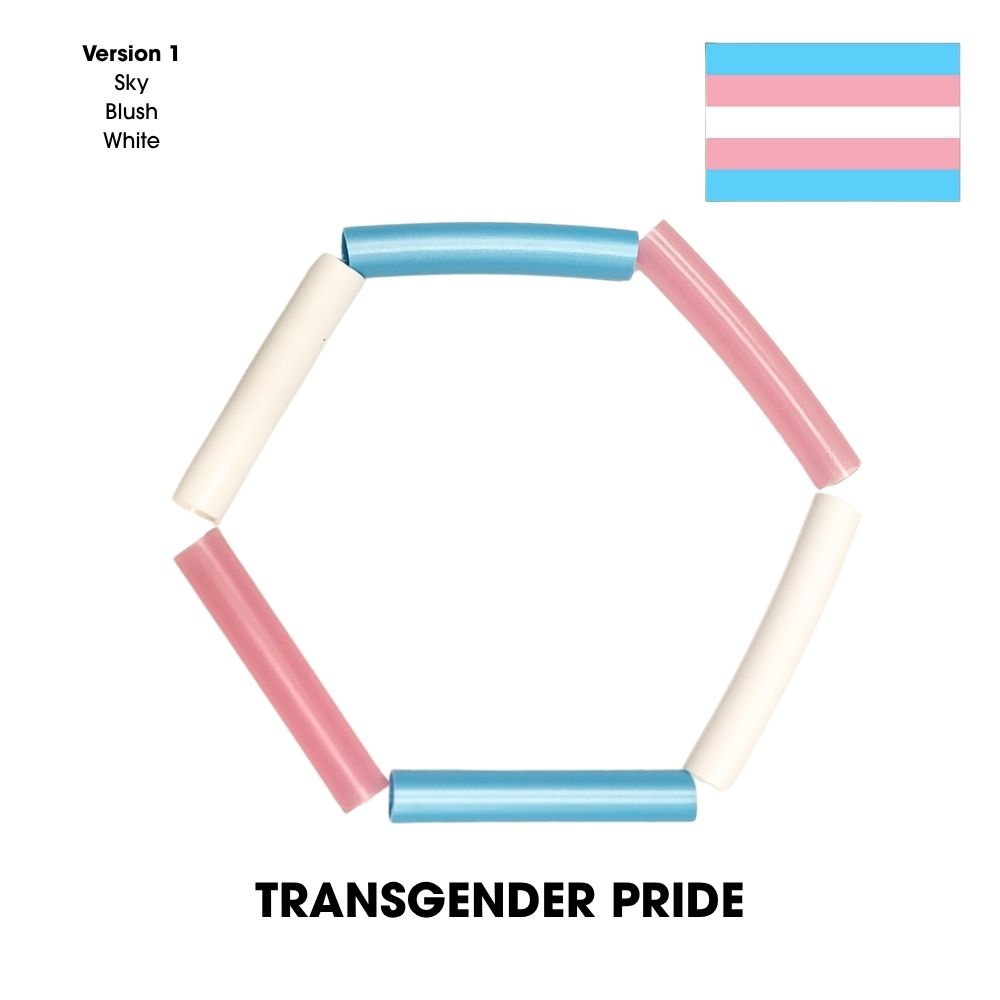
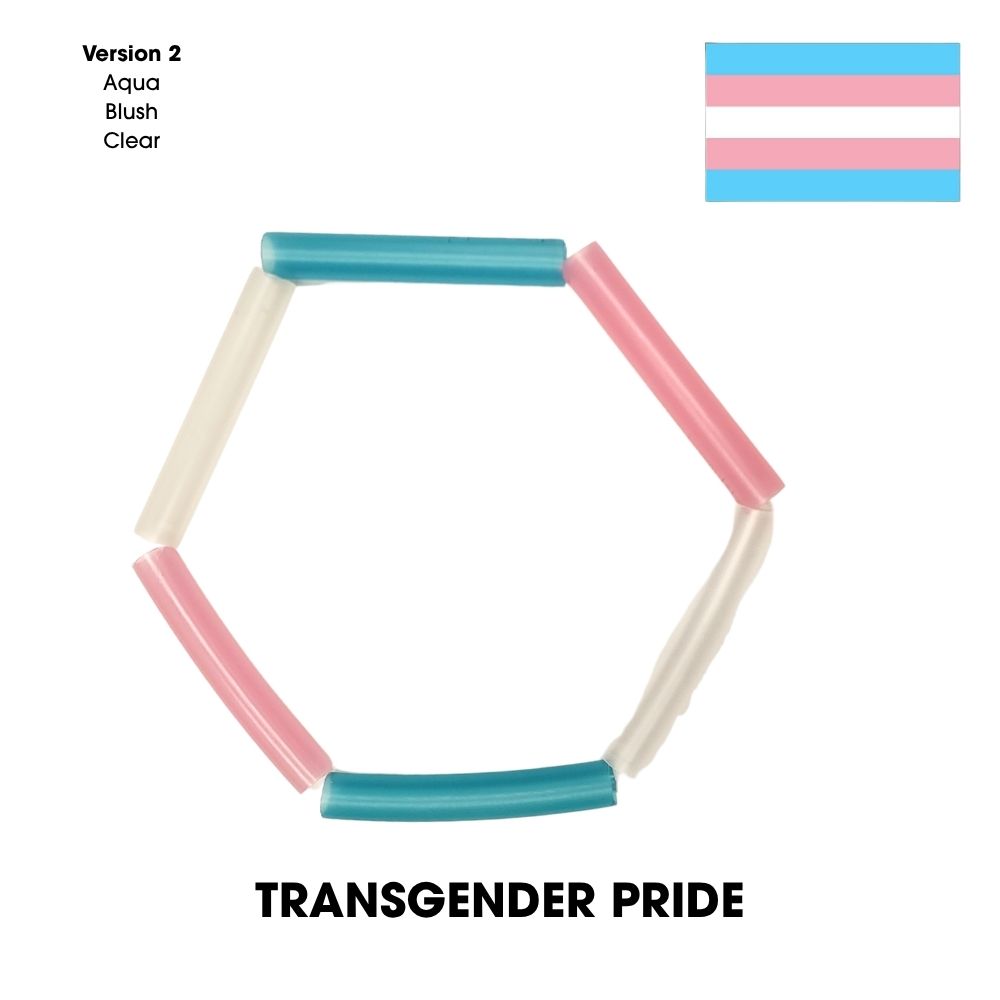
Transgender Pride
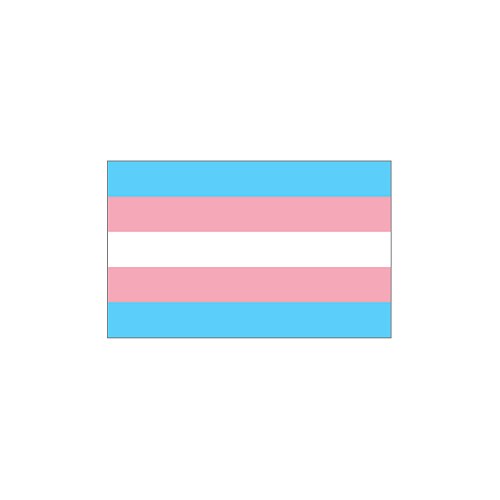
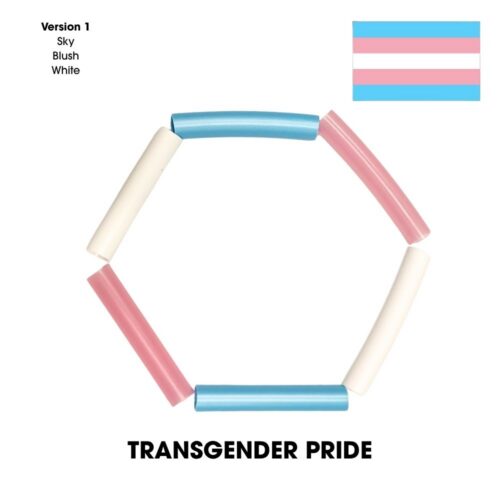
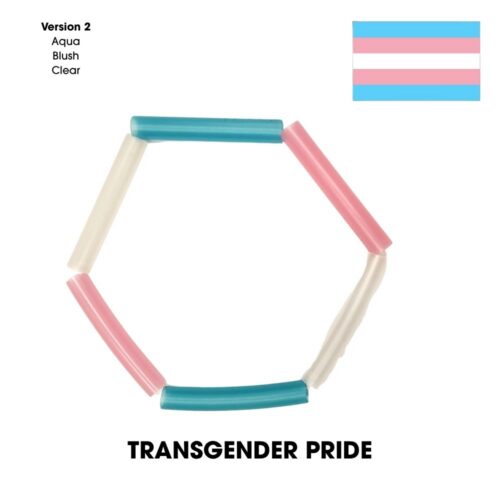
Designed by Monica Helms in 1999, the Transgender Pride Flag uses soft blue, pink, and white stripes to celebrate trans diversity and the many ways people experience gender.
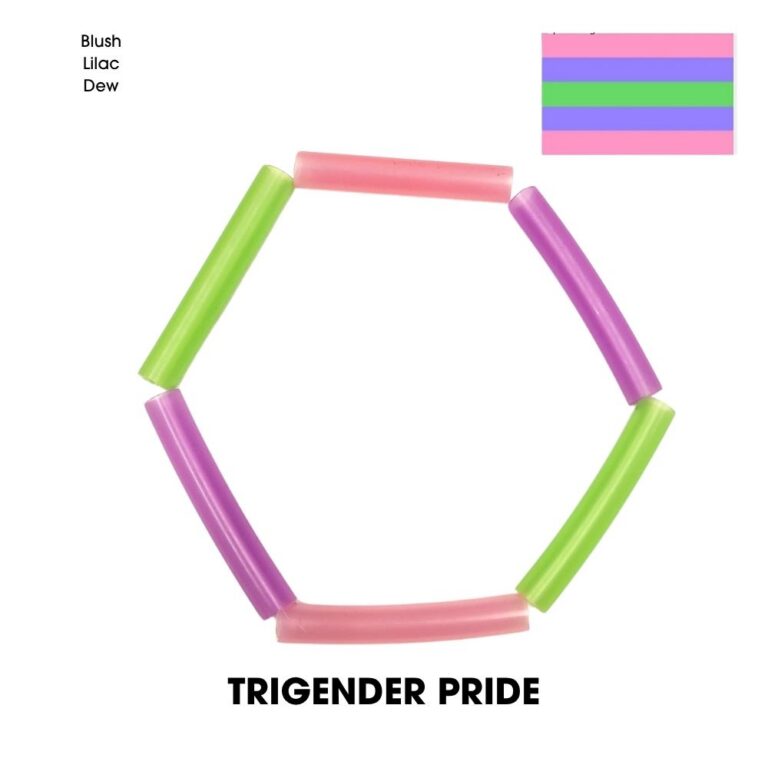
Trigender Pride
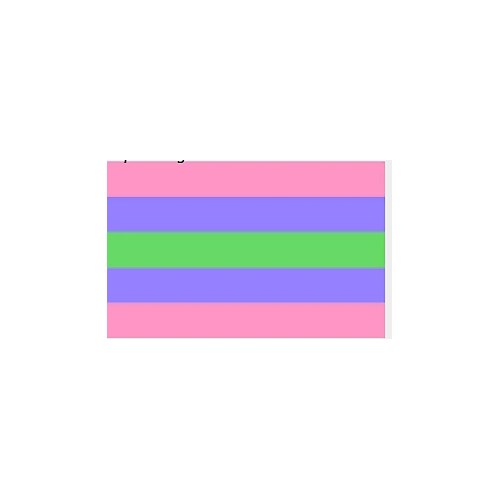
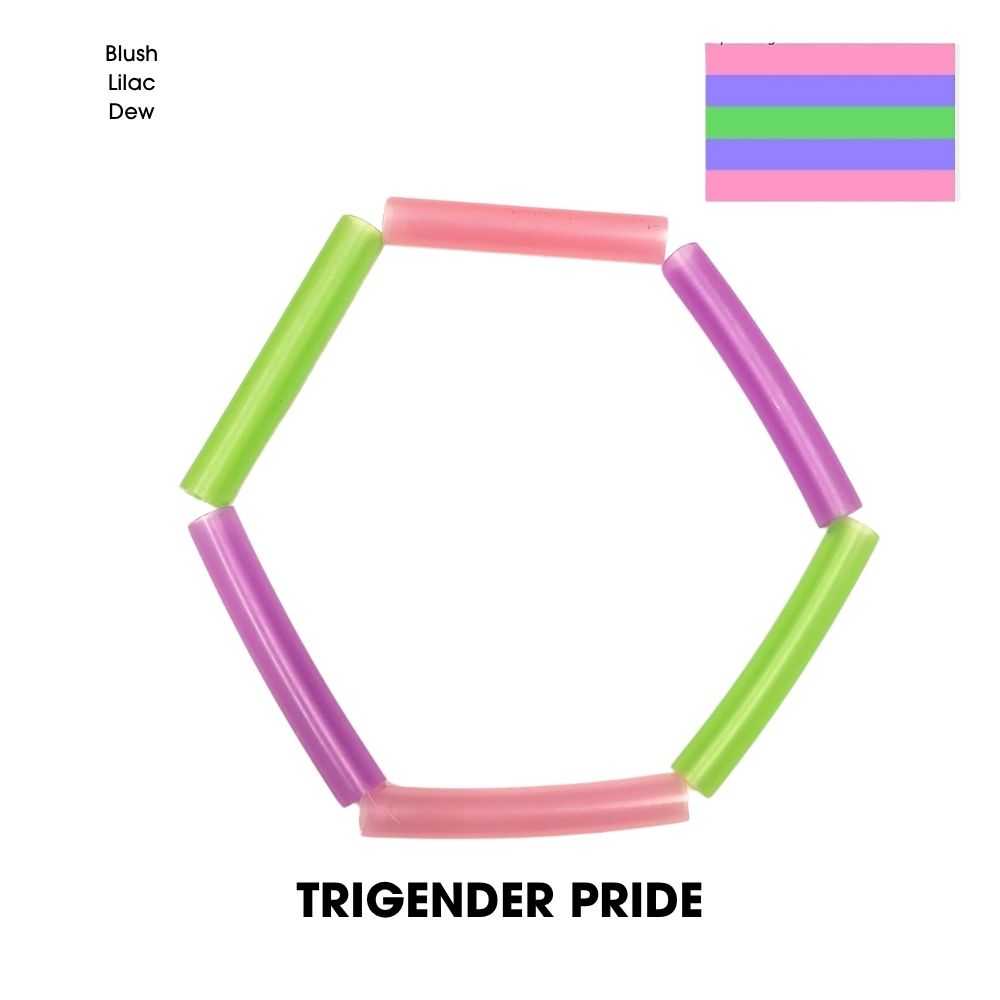
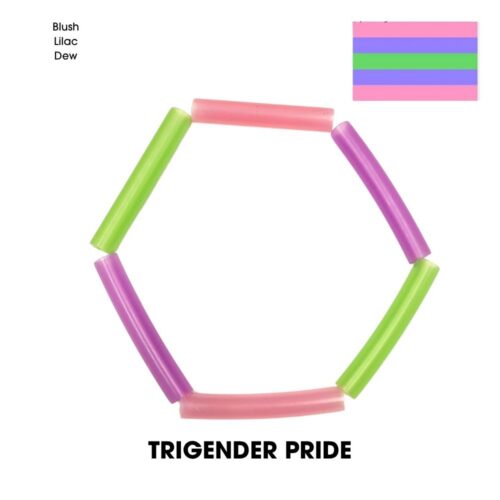
The Trigender Pride Flag represents people who identify with three genders, whether simultaneously or through a shifting experience over time.
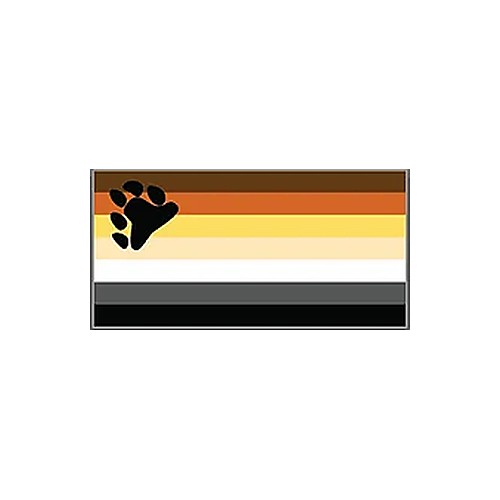
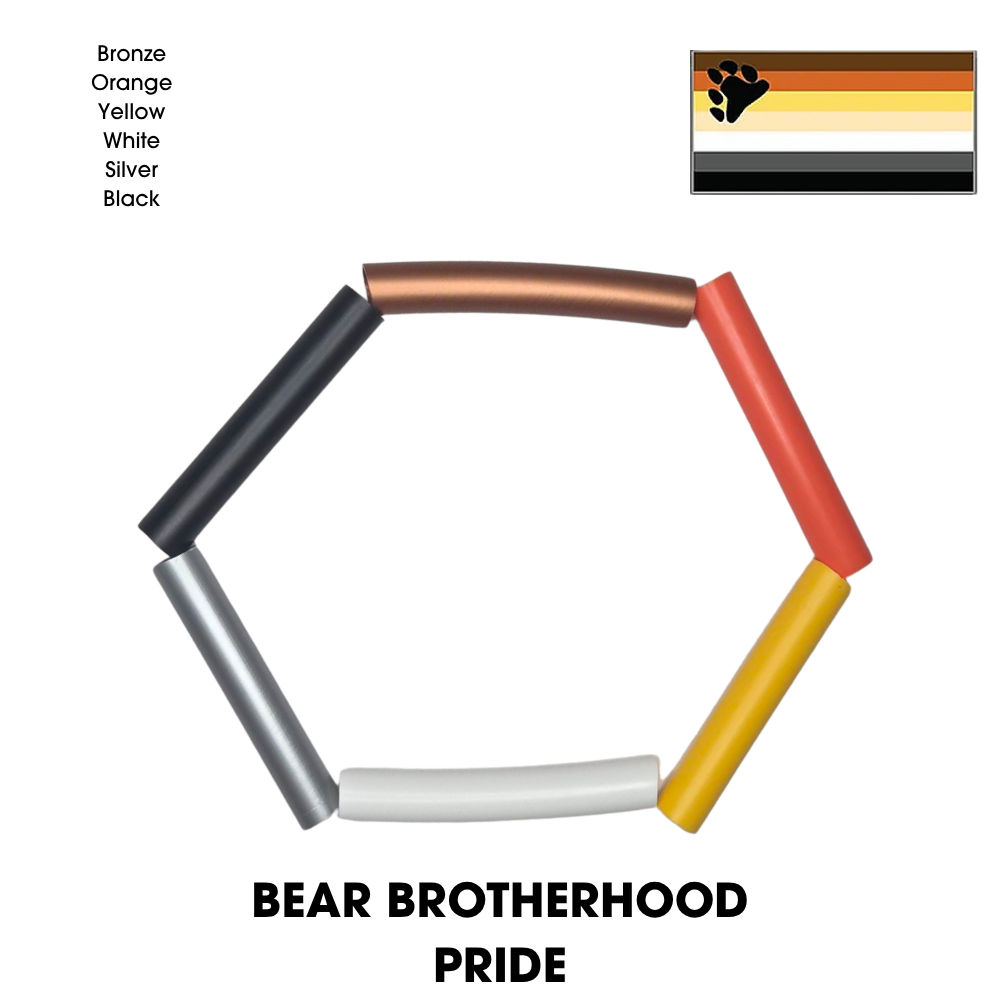
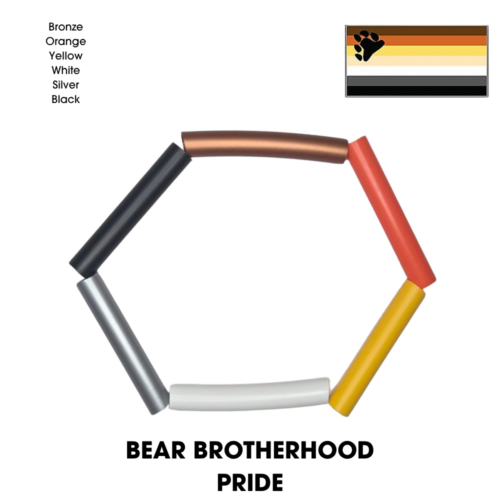
Bear Brotherhood Pride
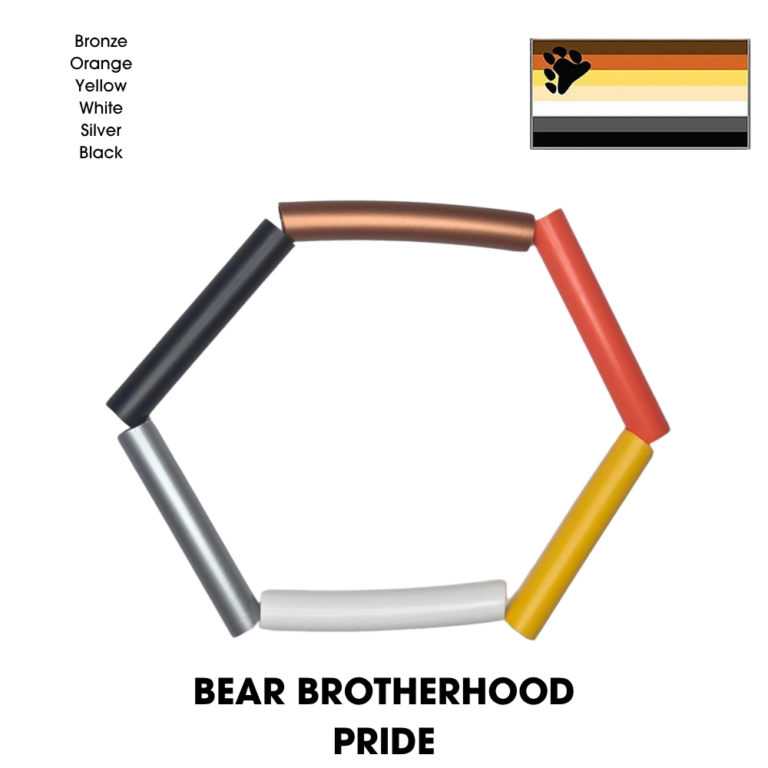
Created by Craig Byrnes in 1995, the Bear Brotherhood Pride Flag represents the bear community. Its earth-tone stripes reflect the diverse fur colors found among bears around the world.
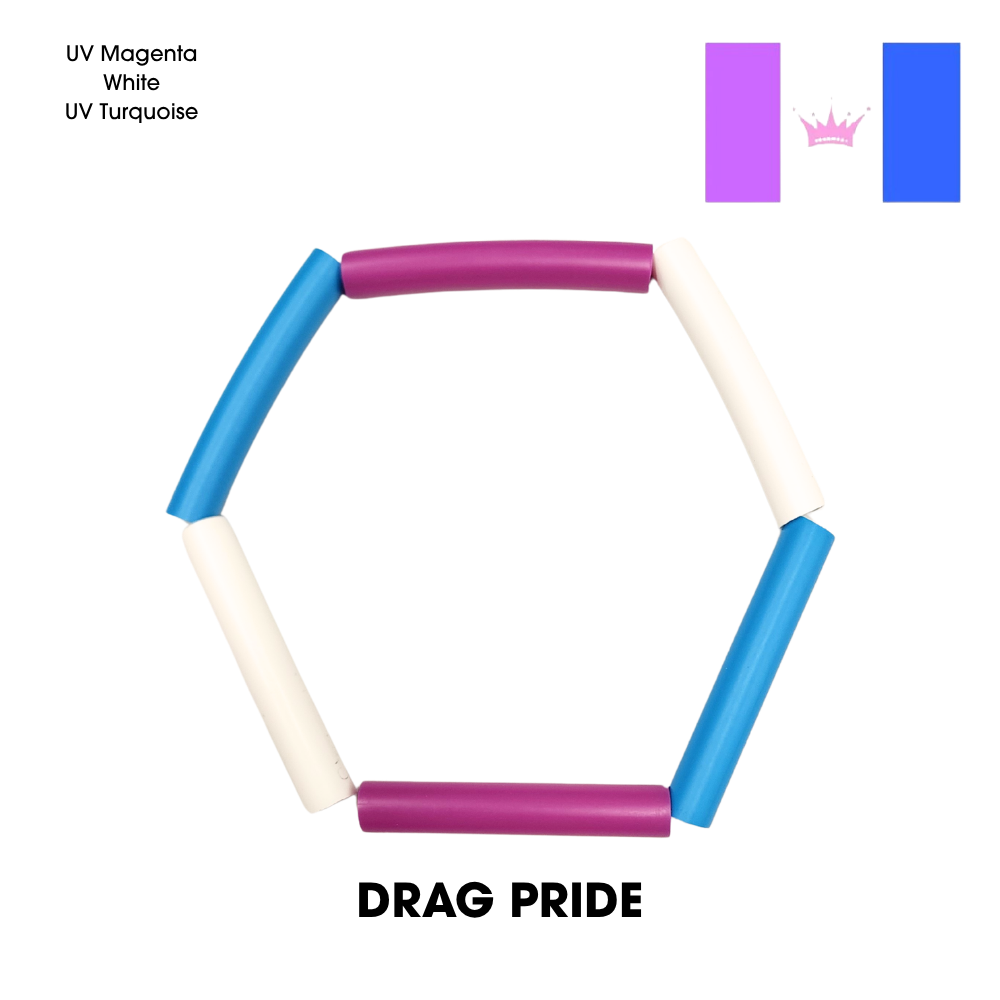
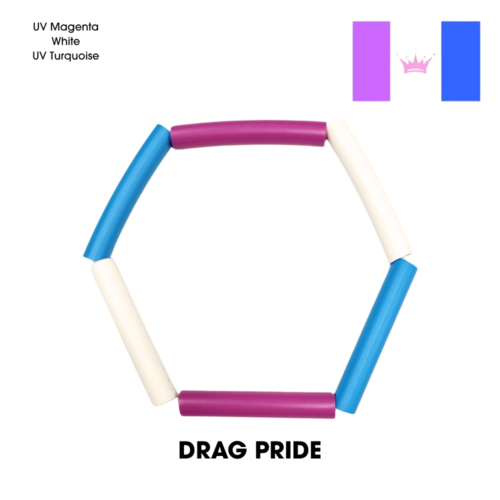
Drag Pride
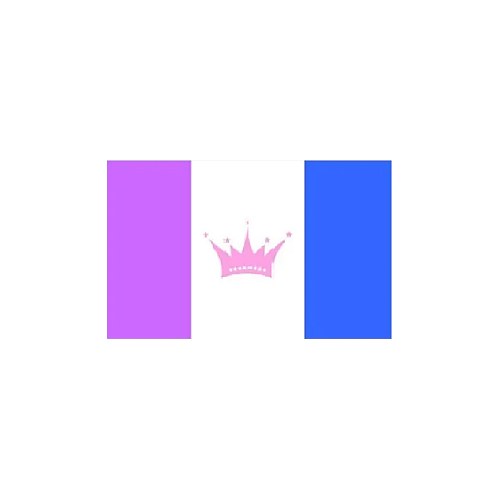
The Drag Pride Flag celebrates the creativity, visibility, resilience, and artistry of drag communities. Multiple designs have appeared over time, each reflecting the vibrant spirit of drag.
Straight Ally Pride
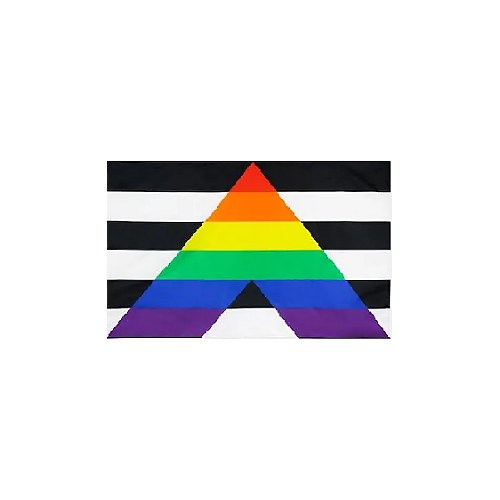
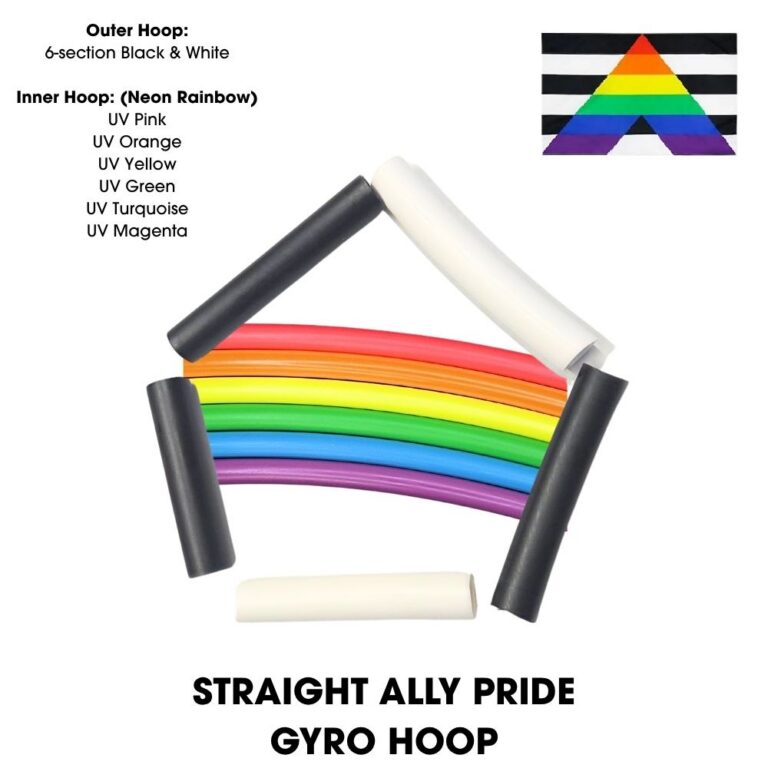
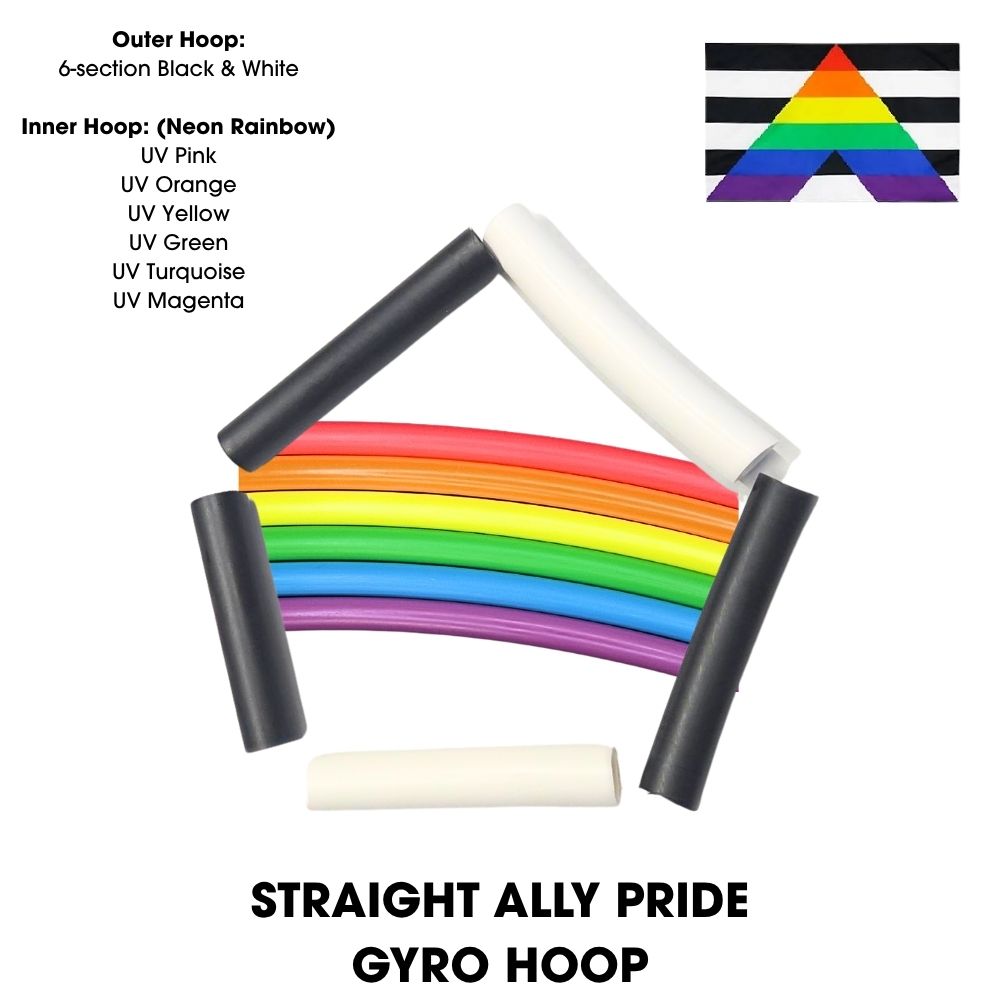
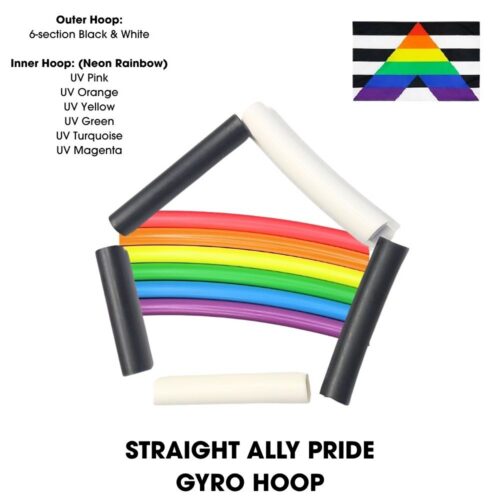
The Straight Ally Flag represents support for LGBTQ+ communities and a commitment to standing against discrimination. Its rainbow A is a symbol of allyship.
Create Your Own Pride-Inspired Combination:
Have another design in mind? Visit our Custom Sectional Polypro Hoop page to mix and match tubing colors and create a hoop that feels uniquely yours.
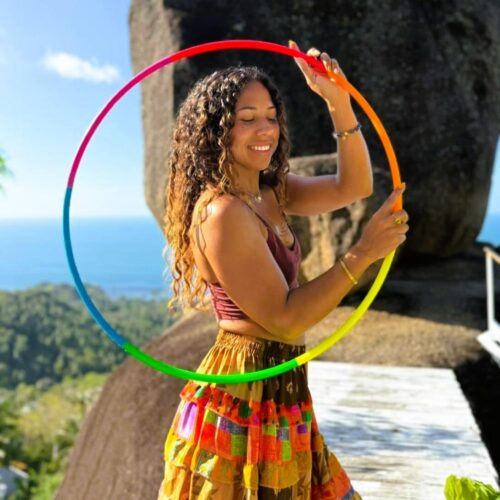
Many of the designs shown here use six or eight sections so that the pattern can repeat around the hoop. Choosing fewer sections on a custom hoop is also a great way to create a more affordable sectional hoop while still making a fabulous flow prop that celebrates your pride.
Many of the designs shown here use six or eight sections so the pattern can repeat around the hoop twice. You can also choose fewer sections to create a simpler, more affordable custom hoop while still celebrating your pride in motion.